
Hey there! Grab your favourite cuppa—I’ve got a story to share, and it’s steeped in history and a bit of cheekiness! This week, I took a little jaunt around some historic sites, diving deep into the Glorious Revolution and its echoes in modern Britain. Trust me, it’s a wild ride, and who doesn’t love a bit of drama?
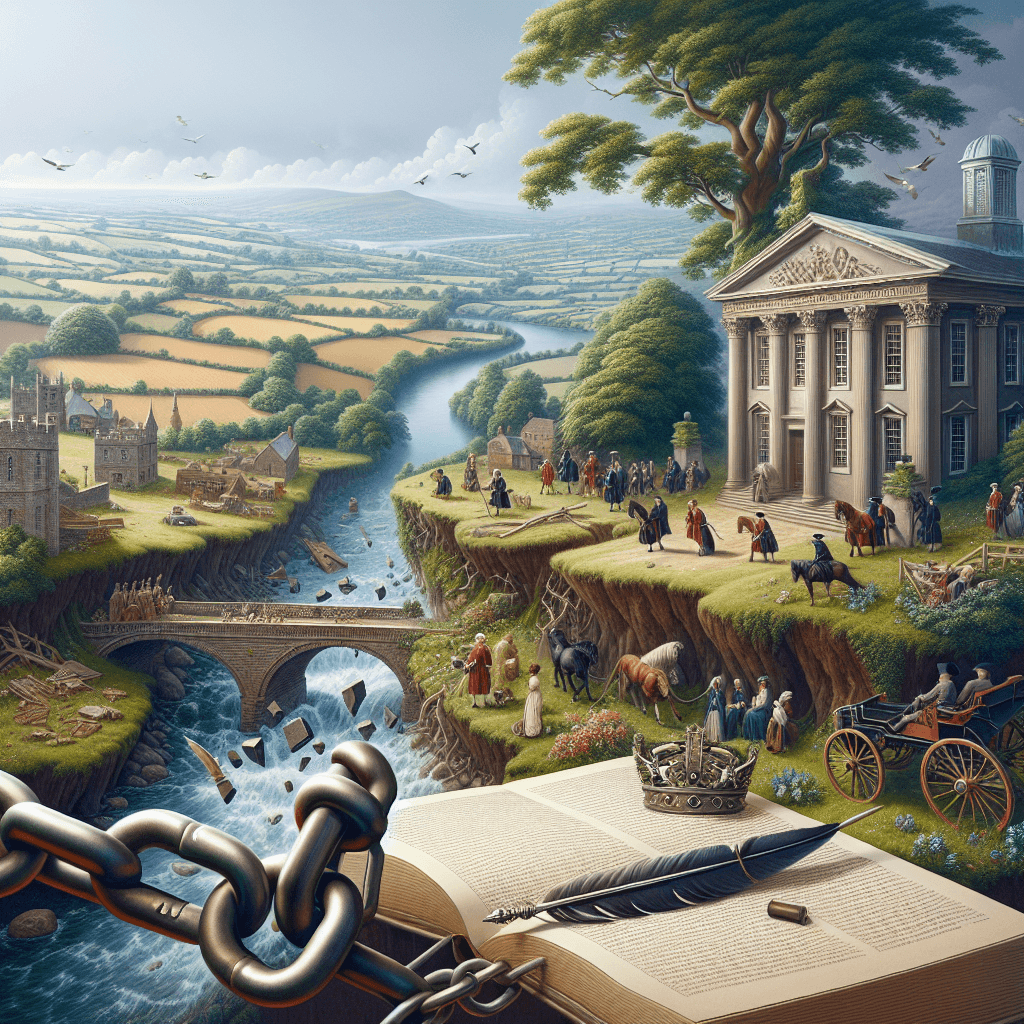
Just to set the scene, the Glorious Revolution happened in 1688. Picture it: King James II, all fancy in his royal garb, trying to rule like it’s the 17th century version of Game of Thrones. Spoiler alert: he didn’t do too well. Fast forward to today, and the ripple effects of that tumultuous time are still felt in the streets of London and beyond.
So, let’s start at the beginning—or at least a beginning. James II tried to push his Catholic agenda down everyone’s throats. As a rather devout Protestant, this did not fly well. So, what did those clever folks do? They invited William of Orange, who had his own Protestant following, to come and (ahem) politely suggest James take a long holiday. What a cheeky move, right?
I kicked off my little investigation at the historic Tower of London. It’s rich with stories of intrigue and betrayal, and honestly, I half expected to stumble upon a ghostly James wandering around, looking for a way out. Instead, I found some dodgy tea that tasted like it had been brewing since the era of swords and seals. I mean, come on, can’t a person get a decent cuppa?
Now, thanks to the Glorious Revolution, we got the Bill of Rights in 1689. This was a big deal. It set the foundation for parliamentary democracy and curbed the powers of the monarchy, ultimately shaping your rights as a British citizen today. The idea was simple yet revolutionary: the king couldn’t do whatever he fancied without consulting Parliament. This was a major shift—not quite Mary Poppins landing from the sky but close enough.
During my wanderings, I stepped into the Houses of Parliament and felt a thrill. Imagine all the serious talks and debates happening here. You could practically hear the ghost of William of Orange giving speeches. Maybe that was just me not having breakfast, but you catch my drift.
While pondering how these events shaped political discourse, I popped into a local coffee shop (yes, I switched from tea, I know, scandalous). You know what I love about these places? They’re often brimming with conversation. So many opinions! So many debates, some of which are probably more coherent than those in Parliament after a long day.
Here’s the thing: coffee shops, dating from the 18th century, became hubs for enlightenment, buzzing with thinkers, writers, and—let’s be honest—probably more than a few loudmouths. If that revolution were to take place today, would it be held at a café rather than a castle? Imagine the drama with cappuccinos.
Speaking of castles, I couldn’t resist sneaking a peek at Buckingham Palace. The monarchy, though modernised, is still an echo of those tumultuous times. The Glorious Revolution established a constitutional monarchy, where the royal family doesn’t wield absolute power. Enjoy the pomp and ceremony, but remember: they’re kind of on a tight leash thanks to such historical events.
It’s funny, really. Every time a royal wedding happens, everyone loses their minds like it’s some sort of reality show. I stood amongst tourists, all glued to their phones as if waiting for the latest series to drop. The modern monarchy still reflects the outcomes of that long-ago revolution, showcasing the ever-present balance between tradition and people’s power. A bit ironic, wouldn’t you say?
Had to share one cheeky moment—I once mistook a Royal Guard for someone offering directions. Long story short, I gave him the Queen’s wave, and he just blinked at me. Harsh truths of my travel misadventures aside, the monarchy and its historical significance teach us about governance and the voice of the people. It’s not just the diverse accents in the UK but also the trends in social movements that echo that 1688 shift.
I also visited some local communities influenced by this period—like in Canterbury, where stories of the past meet modern innovations. The streets are charming, yet you can still sense the history that clings to the air. As I munched on a bakery treat (yes, I enjoyed the pastries—they were delicate enough to hold my interest), I thought about how such localities showed the impact of the Glorious Revolution’s ideals, principles, and vibes.
Now let’s wrap this up before my overly eager fingers get carried away. The Glorious Revolution may seem like a chapter buried in history, but it’s alive and kicking in today’s Britain. From the street debates at coffee shops to the bustling energy at Parliament, every brick and cup of tea (even the bad ones) echoes that change.
In essence:
So, what’s your take on it? Is the monarchy still relevant, or should we chuck it all in for a republic? Have you stumbled upon a rogue cup of tea that should be illegal? Let’s chat in the comments!