
So, you’re keen to explore NATO’s roots? It’s a fascinating slice of history, and the UK has a few spots that’ll give you a real sense of what it’s all about. Picture this: old castles, grand historic buildings, and a sprinkle of British charm. Yep, there’s rich history, and you don’t even need a passport to get lost in it!
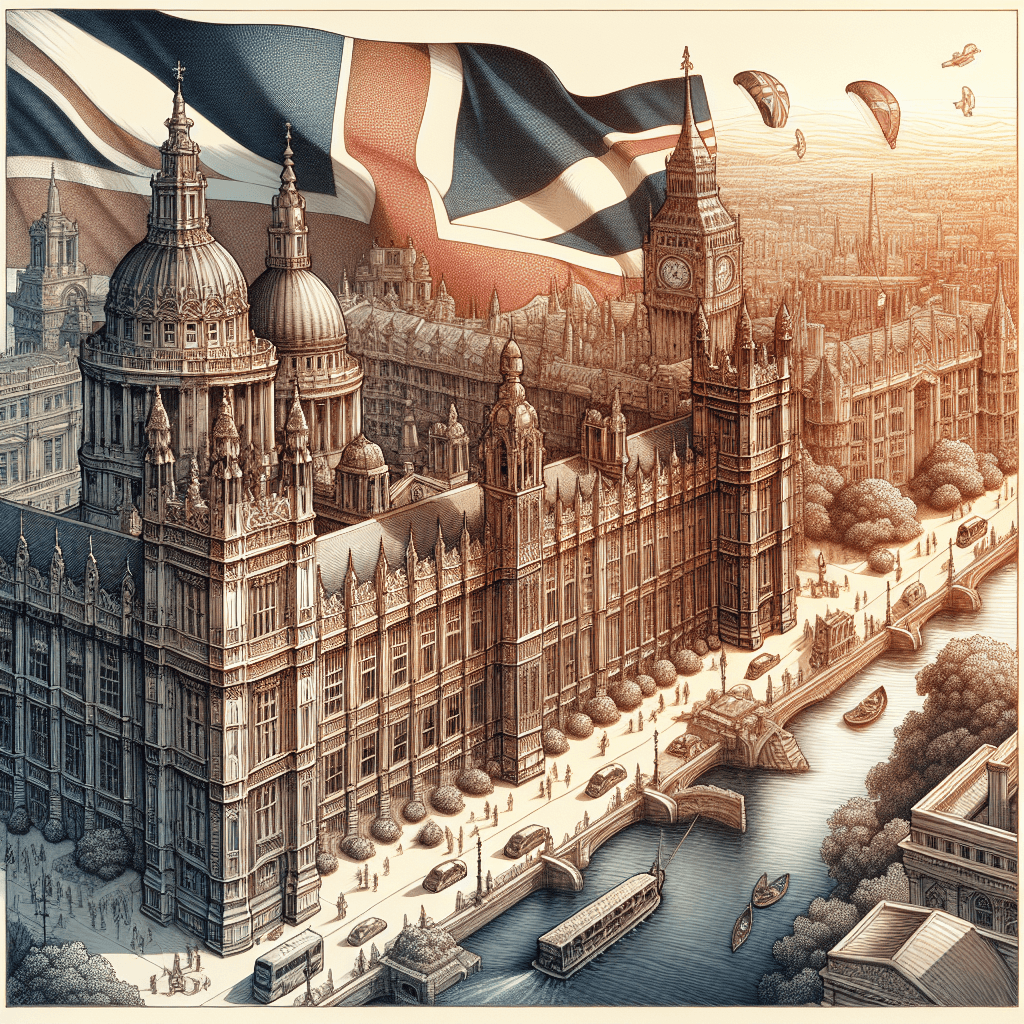
First stop: the epicentre of UK politics—the House of Commons. You’d almost think it was designed as the set for a political thriller. I mean, who doesn’t love a bit of drama? Did someone say “cuppa”? Grab your bad tea here—really, I thought I ordered Earl Grey, but I might’ve gotten something closer to dishwater. Still, you can’t beat the atmosphere!
While in the Commons, pay attention to the debates. Occasionally, echoes of NATO discussions come through those iconic walls. Yes, you’ll need to do a bit of eavesdropping—just don’t get caught! To see where politicians negotiate on pressing global issues, you can arrange a guided tour or even catch a live session. Just behave yourself; no one likes a heckler.
Next, let’s swing by the Imperial War Museum. This place is packed with history—like, seriously packed. It’s not all about medals and uniforms. You get to see how NATO evolved in reaction to those swirling global tensions post-World War II.
One exhibit that got me? The one dedicated to propaganda. I had a laugh at some of the posters—definitely not subtle, and quite funny when you think about it! It’s a sobering reminder of how information wars played out during the Cold War era. You’ll probably be tempted to take selfies with those wild designs; just don’t forget to absorb the deeper meanings too.
Off to Hendon’s Royal Air Force Museum, where you’ll get a solid dose of aviation history that ties back to NATO’s military strategies. You can even take a look at planes that helped shape modern warfare. Just look up at the vast hangars; it’s like stepping into an aircraft wonderland!
I’ll be honest; for a moment, I thought a Spitfire was going to swoop down and land right next to me. Be prepared, though—some of the older planes were, um, not quite as shiny as you’d expect. But that just adds character, right?
Now, for something a bit newer. Yes, let’s head to NATO Headquarters Northwood. It’s not like conventional tourist spots, but if you’ve got a keen eye for contemporary military architecture, this is it.
Here’s the kicker: it’s not an open-door policy. You’ll need to set up a visit, but it’s well worth it if you manage. Standing outside, I felt an odd mix of excitement and awe—like being on the set of a James Bond film. It’s a nerve centre where real decisions happen.
Next up, if you fancy a frolic into Wales, the National Museum Cardiff gives you an insight into the UK’s military past and its role with NATO. Now, I know what you’re thinking—museums can be dull. No way! This one includes some impressive art galleries. Yep, art has a place in military history.
I was captivated by a few works that depicted historical conflicts and the human experience—like a gentle kick in the soul. It made me reflect on why NATO existed in the first place—to protect freedoms, right?
If you’ve made it this far up north, you can’t miss Edinburgh Castle. A stronghold that has been fought over many times, it stands as a symbol of what NATO stands to protect.
Standing there, high on that rock, you feel invincible. I half-expected a knight in shining armour to come striding past. Instead, I found a tourist who practically ninja-ed their way to the best picture spot—fair play!
So, there you have it—a cheeky travel guide to exploring NATO’s roots throughout the UK. Each site I visited offered something unique, tying the past to our present. Whether you’re indulging in dodgy cups of tea or marveling at the aircraft, there’s so much to learn.
What’s next? Maybe a bit of reflection on how these sites and stories shape our understanding of security today. Did I miss any other quirky sites or experiences? Let me know in the comments!