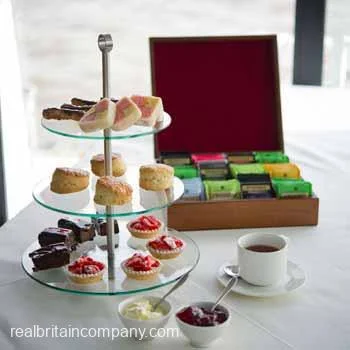

Hey there, mate! I found myself in a bit of a whimsical mood recently while wandering through London and thought I’d share my meandering thoughts on something that caught my interest: the evolution of parliamentary power in the UK. If you’re thinking, “What’s so exciting about that?” well, grab your cuppa (hopefully better than the dreadful one I had at that café near Trafalgar Square—it tasted like foot with an aftertaste of despair), and let’s dive in, shall we?
Now, parliament in the UK isn’t just a bunch of folks in wigs hashing out laws. Oh no! It goes way back to the 13th century when the first ‘parliament’ really kicked things off in 1215 with the signing of the Magna Carta. That hairy old document basically told King John he couldn’t just act like a total tyrant. It’s the birthplace of parliamentary power, folks! You might say it planted the seeds of democracy—think of it as the cheeky little seed that became a fairly large tree.
Fun Fact: Did you know that the original Magna Carta was written in Latin? Just imagine translating all those legal mumbo-jumbo phrases! I can barely handle translating a simple text, let alone medieval jargon.
So, there I was, staring up at the impressive houses—both of Parliament! You can’t help but feel a little starry-eyed. “The Mother of Parliaments,” as some like to call it, is a mix of old and new. Over the centuries, it transformed dramatically. Here’s the scoop on some of the standout moments:
Late Medieval Era (1386-1422): The House of Commons emerges. No longer just the whims of the nobles and kings, common folks had a say! (Don’t get too comfy, it took another couple of centuries to really get that right.)
The English Civil War (1642-1651): Now, this was the point where things got messy. King Charles I thought he was above parl, which got everyone a bit riled up—leading to a whole civil war. Who knew politics could be so explosive, right?
The Glorious Revolution (1688): By now, Parliament had really established its muscles. King James II got the boot, and Parliament brought in William and Mary. And yes, they complained about their in-laws too! (Just kidding, but imagine the conversations.)
Seriously, it’s like a slow-moving train of bureaucracy where everyone’s waving flags saying, “What’s taken you so long?”
As I soaked in the sights of Parliament, I realised it’s a symbol of power that has truly evolved. It’s about representation, dialogue, and a good bit of squabbling. On a personal note, witnessing debates from the public galleries made my heart race. It felt like the world was right there, flawed and messy but alive!
Helpful Tip: If you’re visiting, don’t miss out on the guided tours at Parliament. Seriously, it’s worth it. Just, uh, maybe go during a week when they’re not debating something super contentious, or you might see some fireworks!
You know what struck me the most? The little oddities that tourists, like ourselves, might overlook. Like, did you know that the Speaker of the House has to stay impartial? This one chap I saw—dressed in robes as if he were auditioning for a Shakespeare play—has a gavel he uses to keep order. Messy hair and all!
And while I admire the decorum, I couldn’t help but giggle when some bloke from the back shouted, “Order!” I thought he was trying to get an extra cup of tea, which, as anyone who’s had terrible British tea will tell you, is worth fighting for.
Fast-forward to 2023, and I navigated through the noise and chaos of Westminster. It’s a bit like trying to cross the M25 at rush hour. While Brexit debates rumble on and new laws are constantly in the air, the movement still continues. There’s a sense of urgency, of resolution.
Interestingly, I stumbled upon a recent news piece covering new reforms in parliament aimed at improving digital access for constituents. Fancy that! It’s like finally getting Wi-Fi in that dark corner of the pub you always hang out in (thank you, local council!).
As I continued my expedition around Westminster, I got a sense of how ingrained parliamentary politics are in British culture. Think local pubs filled with boisterous debates about the latest political gaffes. Ever been to a parliamentary pub quiz night? Talk about a test of your historical knowledge. Just be careful not to get too rowdy like I did when I mixed up Asquith and Churchill—who knew whisky could knock one’s historical knowledge out of whack?
Also, don’t forget to check out nearby attractions like the St James Theatre. They often have performances about political histories. Makes you realise those old debates might just end up as the next West End hit. Dramas always sell well, especially when they’re based on real events!
So, to tie all my ramblings together—as chaotic as they may be—the evolution of parliamentary power in the UK is a story of resilience, struggle, and a fair amount of laughter (and probably a lot of cups of questionable tea). I felt a thrill walking the same halls where decisions that shaped history have been made. It’s like standing in a library and going, “Yep, I’d like to borrow that history, please!”
I left Westminster not only a little wiser but also with a cheeky grin, my heart full of the stories of those who came before us. So, what about you, lovely reader? Have you ever felt that exhilarating mix of despair and hope in political debates? Or maybe you’ve had your own travel mishaps while exploring parliamentary or historic sites? I’d love to hear them, so drop a comment below!