

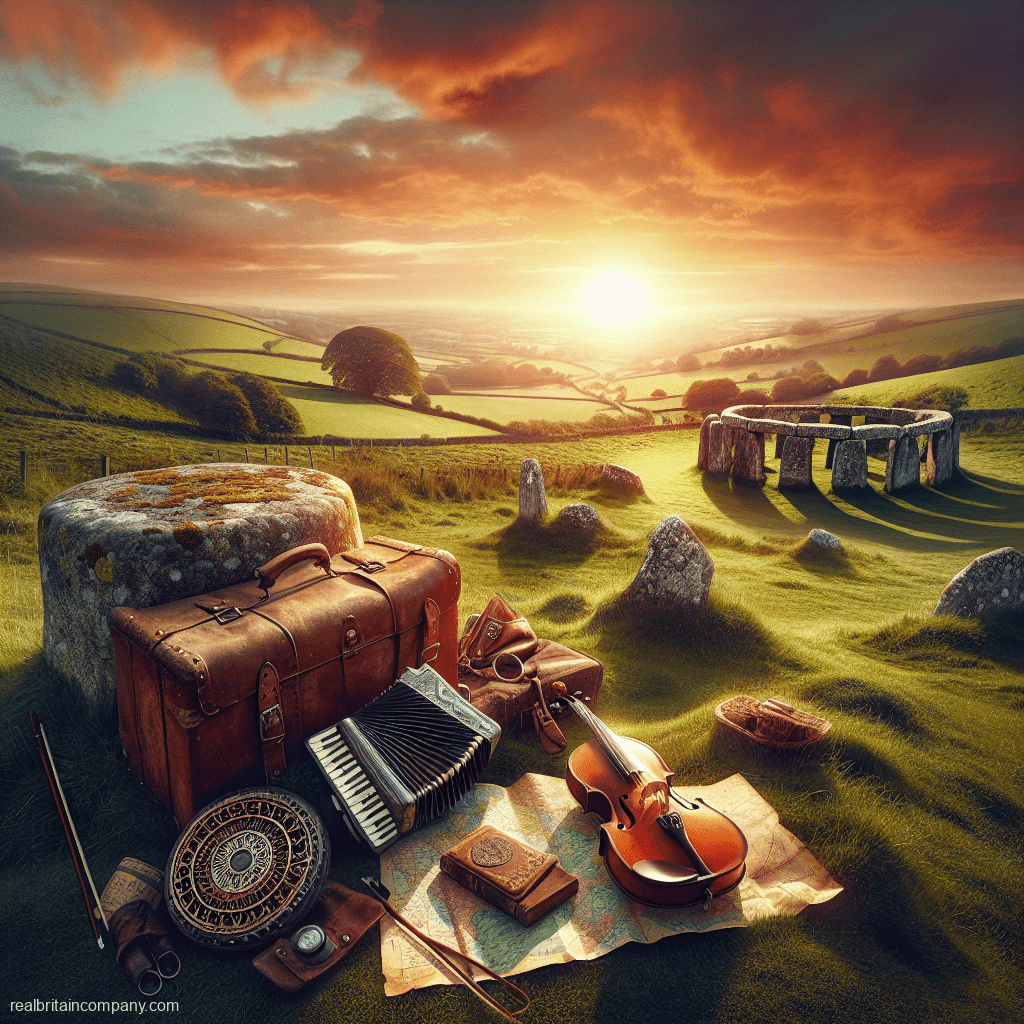
Britons, it’s often said, have a unique relationship with their history, a mix of reverence, nostalgia, and a dash of playful irreverence. Nowhere is this more apparent than in the vibrant world of British folk music, a genre as rich and varied as the isles themselves. For the adventurous traveller, delving into the folk music scene offers not just toe-tapping tunes and hearty singalongs, but a doorway into the heart and soul of the UK. So, pack your bags (and perhaps a spare liver), and let’s embark on an immersive cultural journey through the rollicking world of British folk music.
The term ‘folk music’ might conjure images of bearded minstrels with lutes, but the reality is far more complex and interesting. British folk music is a tapestry woven through time, incorporating everything from medieval ballads and sea shanties to industrial work songs and protest music. This genre has been the voice of the common people, evolving to reflect societal changes while retaining its core identity. In other words, it’s the acoustic equivalent of a centuries-old pub: full of stories, laughter, and a few tears.
Across these regions, the folk scene is kept alive in pubs, folk clubs, and festivals, making it accessible to anyone willing to listen.
A true folk enthusiast knows that the genre’s heart beats in live performances. Here’s how to immerse yourself:
Though steeped in tradition, British folk music is anything but static. Artists and bands like Eliza Carthy, Bellowhead, and The Unthanks are pushing the boundaries, blending folk with other genres such as rock, jazz, and even electronica. Attending live performances or diving into these artists’ discographies online can provide a fresh perspective on what folk music can be in the 21st century.
One of the best parts of exploring folk music is the community. Attend a few gigs, and you’ll start to recognize faces, learn the choruses, and perhaps even be invited to a session yourself. To deepen your understanding, consider participating in a folk music workshop or a traditional dance evening. Remember, folk music is about participation, not perfection. Everyone is welcome, so don’t be shy!
Exploring British folk music is to journey through the very soul of the UK, discovering tales of love, loss, rebellion, and resilience. Whether you’re clapping along in a centuries-old pub, strolling the fields of a folk festival, or contributing to a lively session, you’re not just listening to music; you’re becoming part of a tradition that stretches back through the ages. So, to the traveller with a heart for adventure and a love for storytelling: the British folk scene warmly welcomes you.
Have you experienced the magic of British folk music on your travels? What was the highlight of your journey? Share your stories in the comments below—we’d love to hear from you!