

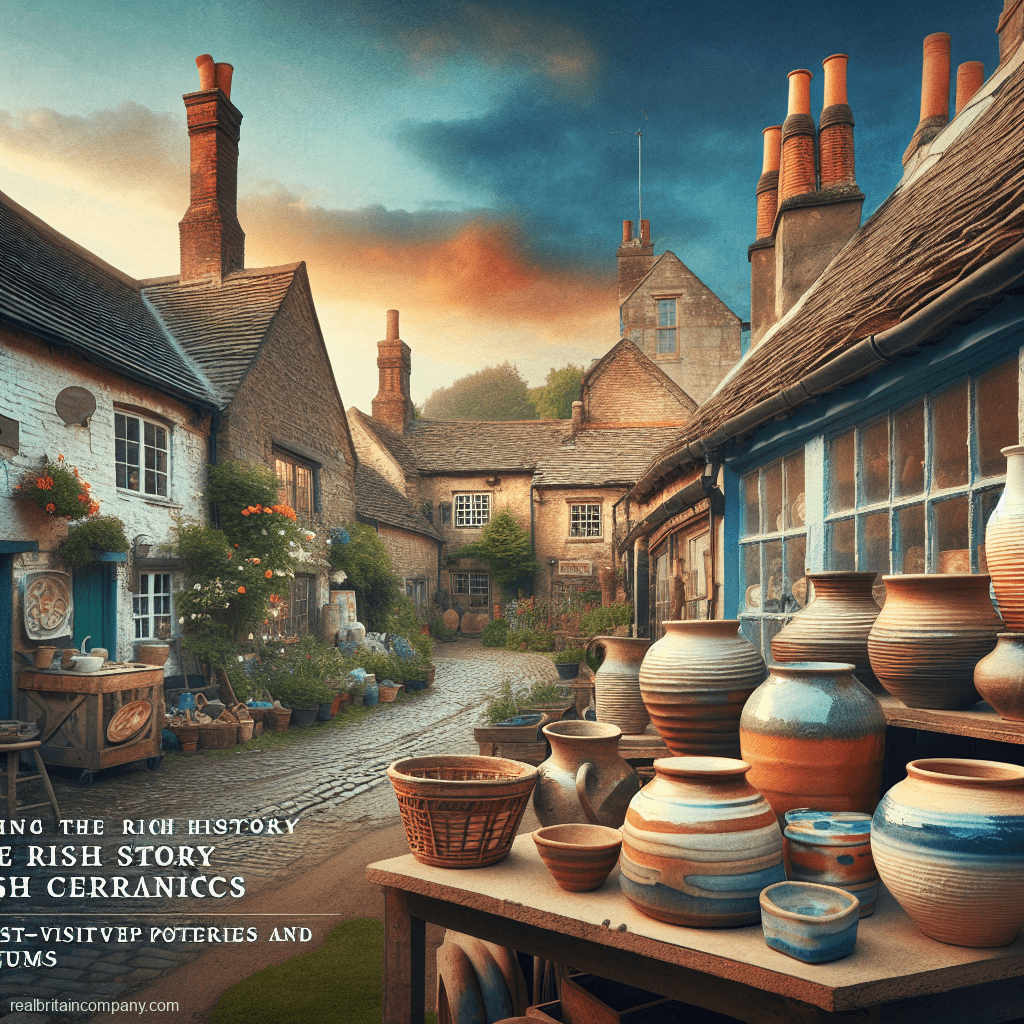
When one thinks of the UK, a few iconic things come to mind: the Queen, Big Ben, fish and chips, and the unparalleled craft of ceramic making. From teapots to tiles, British ceramics have graced homes, adorned galleries, and served tea with a touch of elegance for centuries. If you’re the kind of traveller who appreciates a good mug (the drinking type, not the tourist-trap kind), then delving into the rich history of British ceramics is an absolute must. So, grab your best china cup and let’s embark on a journey through Potteries and museums filled to the brim with British ceramic charm.
Before we embark on our grand tour of potteries and museums, let’s take a moment to understand why British ceramics occupy such a revered place in the world of craft.
Ancient Beginnings: Ceramics in the British Isles date back to prehistoric times. However, it was the Romans who industrialised the craft, bringing their advanced techniques to the island.
Medieval Mystique: During the medieval period, the industry saw significant growth. Characterised by handcrafted earthenware, the skill of British potters began to gain recognition.
The Golden Age – 18th Century: The mid-1700s saw a surge in innovation, particularly thanks to figures like Josiah Wedgwood, who transformed ceramics with his high-quality jasperware and pioneering production methods.
Now, let’s get down to business. Here are the top potteries and museums you simply cannot miss:
Located in Stoke-on-Trent, aptly dubbed "The Potteries", this museum is the crown jewel of British ceramics. The Wedgwood Museum website provides a detailed history of the Wedgwood family’s influence on ceramics.
What to Expect:
For a delightful blend of modern and traditional, Emma Bridgewater’s factory in Stoke-on-Trent is the place to be. With its quirky designs and personalised pottery, it brings a touch of whimsy to the traditional craft.
What to Expect:
Spode has been a household name for deluxe ceramics for over 200 years. Their trust heritage centre in Stoke-on-Trent (are you noticing a pattern?) is an absolute treasure trove.
What to Expect:
A visit to the Gladstone Pottery Museum in Longton offers a trip back to the times of Victorian potteries. The museum’s preserved workshops and bottle kilns give a genuine feel of 19th-century industrial life.
What to Expect:
While this Cambridge marvel isn’t solely dedicated to ceramics, its vast collection within the applied arts section is worth the trip alone.
What to Expect:
The British Museum in London houses an enviable ceramics collection from around the globe, providing context and comparison to the evolution of British ceramics.
What to Expect:
Visiting these museums and potteries not only immerses you in the historical craftsmanship but also highlights the ongoing evolution in the ceramics industry.
Sustainability Efforts: Modern potteries are increasingly focusing on sustainable practices. Recycling materials, using eco-friendly inks, and conservation efforts are high on the agenda.
Contemporary Design: Today’s artists are blending traditional techniques with avant-garde design, keeping British ceramics fresh and relevant.
Exploring British ceramics brings you closer to a centuries-old tradition that has shaped not just an industry, but a cultural identity. Each pottery and museum offers unique insights, from the grandeur of Wedgwood’s innovation to the hands-on experiences at Emma Bridgewater.
So, whether you’re a history buff, a craft enthusiast, or simply fancy a good cup of tea in a beautifully made pot, the world of British ceramics is a rich, remarkable journey waiting to be discovered.
Do you have a favourite ceramic piece or a cherished family heirloom? What’s the most interesting pottery technique you’ve come across? Share your thoughts in the comments below!