
I grew up just over the border in Shropshire, so Wales was always “over there” – the place with better rugby and worse road signs. These days, when people ask me about hidden places in Wales, they want the big hitters without crowds. But the bits that stick with me aren’t the Instagram cliffs; they’re the quiet estuaries, island villages and put‑upon little valleys where the buses give up after tea time.
This isn’t a grand tour. It’s a handful of corners I keep going back to, the places that don’t shout for your attention. Some take a bit of effort; some are practically next to the main road and everyone just drives past.
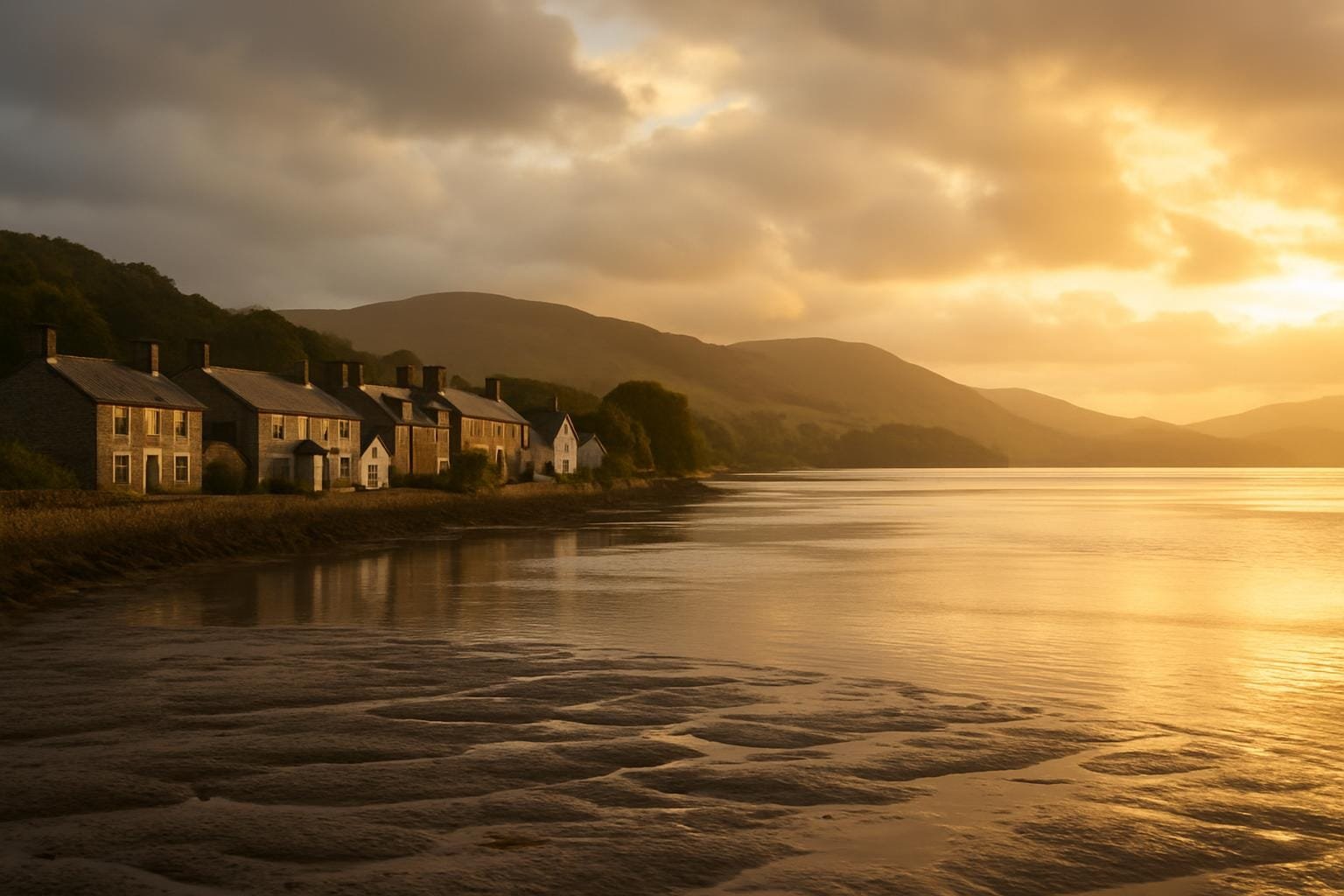
The Dovey (or Dyfi, if you’re feeling polite) is one of those estuaries that seems too wide for its own good – a broad swoop of sand and water between Aberdyfi on the north side and Borth on the south. You can stand on Aberdyfi’s little seafront, look across at the dunes of Ynyslas, and feel like you’re peering into another country, even though it’s a ten‑minute drive round the top if you time the passing places right.
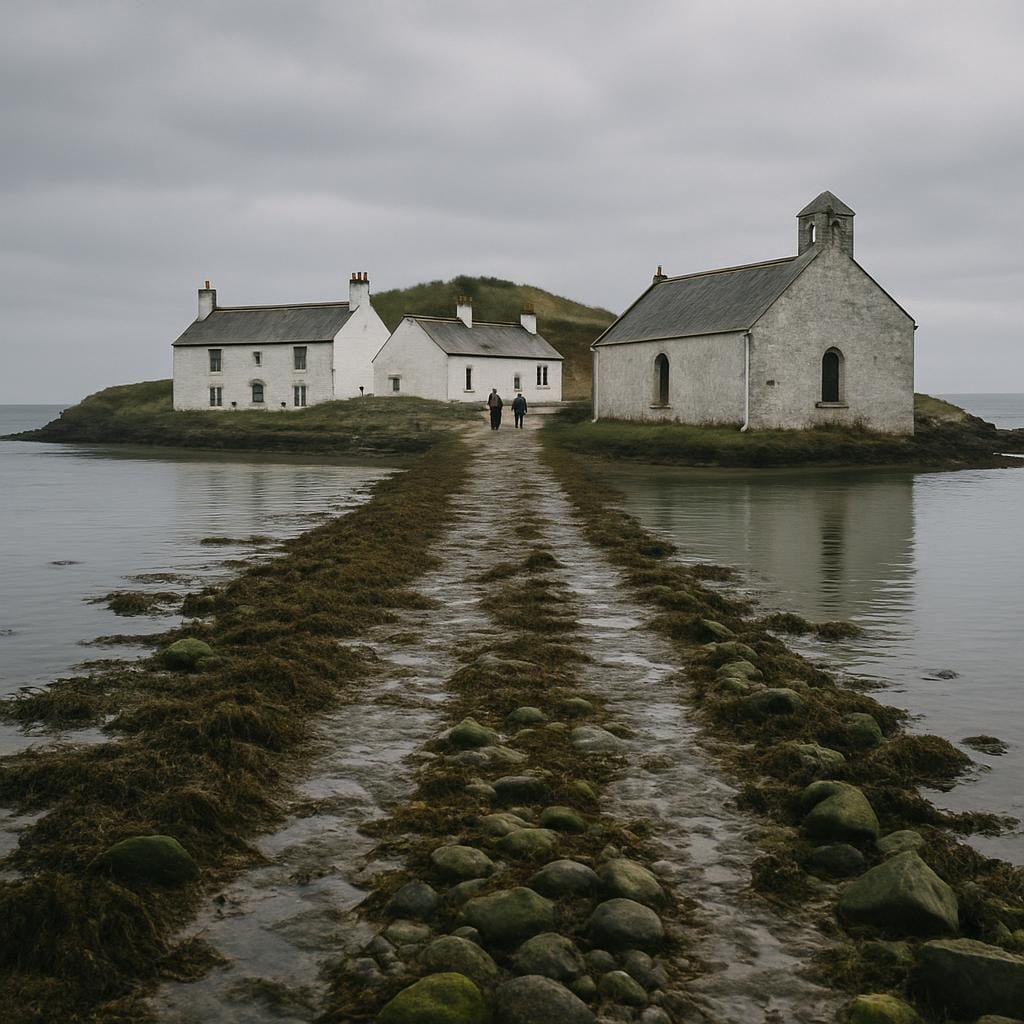
The first time I came to Aberdyfi, I’d only meant to stop for a coffee on a long slog in a white van. Three hours later I was barefoot on the beach, socks lost to a rogue wave, trying to pretend I knew which way the tide was going. The village is mostly a single row of houses and shops facing the water, painted in pastels that would be saccharine if they weren’t battered by salt and winter storms half the year.
There’s a proper old‑school feel to the front: fishing boats on the sand, kids with crabbing lines dangling off the pier, and the sort of ice cream that drips faster than you can eat it. The queue outside The Bear of Aberdovey café at weekends is your cue that the coffee is decent and the Welsh cakes actually taste of butter. Inside, it’s half beach café, half village sitting room.
If you walk west along the beach you quickly leave the noise behind. The sand goes on for miles, backed by dunes and golf course. On a still day you hear more oystercatchers than people. The opposite bank – Ynyslas – looks close enough to swim to, but don’t. The currents in the main channel are no joke; local RNLI crews earn their keep.
Worth knowing before you go – Aberdyfi & the Dovey
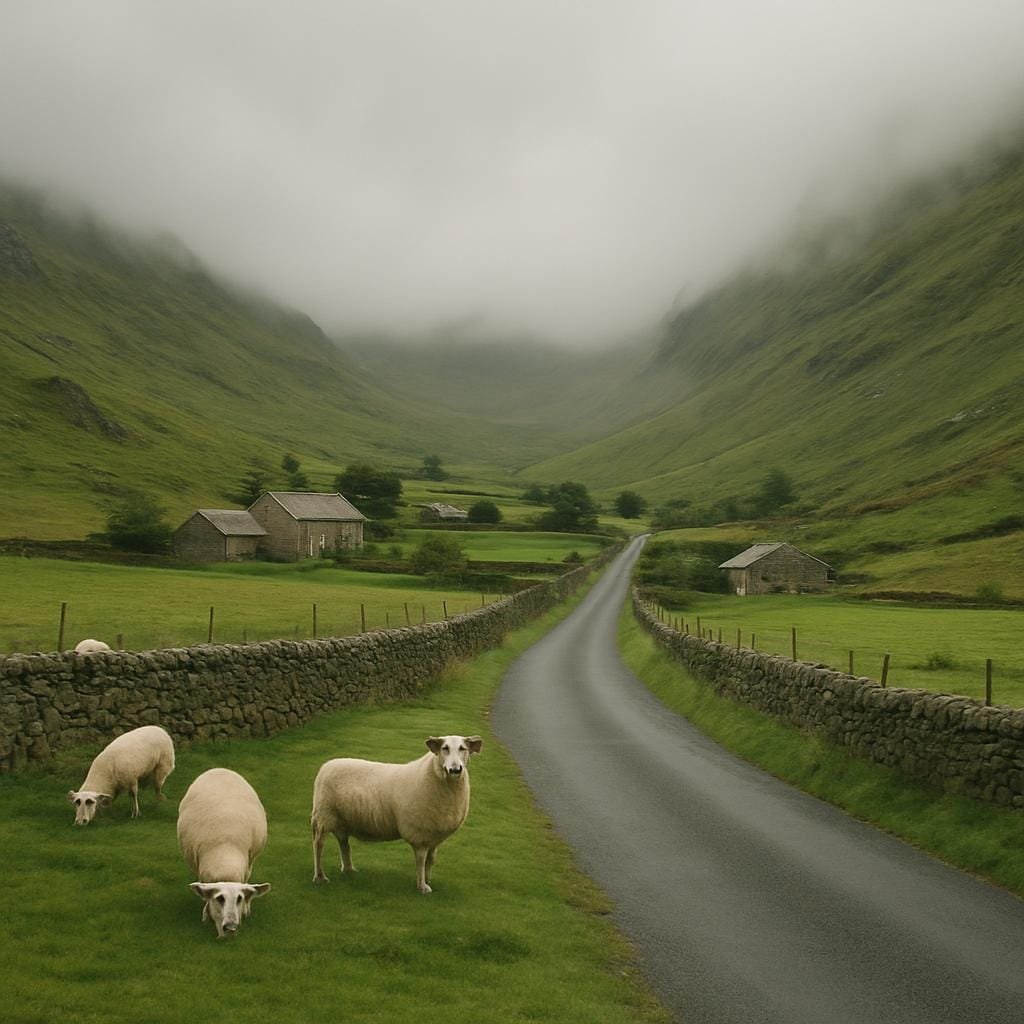
If you fancy the other side of the estuary, Ynyslas dunes near Borth are part of the Dyfi National Nature Reserve. You can drive onto the beach car park in summer (around £3 all day – bring cash for the machine), which feels mildly illegal until you realise everyone else is doing it more confidently. Walk over the dunes and you get that lovely briny mix of saltmarsh and sand.
Anglesey is already an island, so the most remote part of it feels several steps removed from the mainland altogether. Cemaes, up on the north coast, is a small village with a sheltered harbour and a slightly awkward relationship with its giant neighbour: the now‑decommissioned Wylfa nuclear power station.
The power station hulks away to the west, a concrete Lego block against the fields. The odd thing is how quickly you stop seeing it once you’re down by the harbour. Cemaes itself curls round a sandy creek, with a short stone pier and terraces of houses stacked up the hillside like someone tried to tidy them with a spirit level and gave up.
I came one October, off the back of a job in Holyhead, lured by rumours of quiet coves and good chips. The chips at Banc Café & Bistro (in the old bank on the main street) turned out to be excellent – crisp, salty, and served by someone who clearly knows everyone by name. I ate them looking out over the tiny high street, watching a queue form outside the post office on a Tuesday like it was an event.
Down by the harbour, the beach is small but sheltered, with a slightly eccentric concrete ramp and a bright blue RNLI hut. At low tide the sand turns into an impromptu football pitch for local kids; at high tide, it’s kayaks and paddleboards. There’s a narrow coastal path west towards Wylfa that gives you some odd but oddly beautiful views: bright gorse, sheep, and then this hulking grey block of industry on the horizon.
These days, parts of the old Wylfa site are being used for guided walks and heritage talks – the Magnox website has updates – and there’s regular speculation about a new plant. In Cemaes, people shrug and carry on hanging out laundry with a sea view.
Worth knowing before you go – Cemaes
li>Best time: Late spring or early autumn. High summer can be busy with holiday cottages, while winter is very quiet and quite exposed when the wind gets up.
Drive through Snowdonia (yes, Eryri, but old habits die hard) on a bank holiday and you’ll see the usual suspects – Pen‑y‑Pass car park rammed before breakfast, queues of walkers, Instagram dogs looking smug. Then turn off towards Cwm Pennant and it’s like someone forgot to send the memo.
Cwm Pennant runs inland from near Porthmadog, south of the better‑known Nantlle Valley. It’s long, green, slightly melancholy, and flanked by steep hills that seem to crowd in the further you go. There’s no grand attraction at the end, no café with artisan anything. Just a farm track, views, and old slate workings slowly falling back into the bracken.
I first rolled up here by accident, following a brown sign for “Cwm Pennant” when I meant to be somewhere else. The single‑track lane feels like it goes on forever, with the usual Welsh combination of sheep, blind bends and occasional tractor stand‑offs. Then, quite suddenly, the valley opens out and there’s this huge sense of space, framed by Moel Hebog and its neighbours.
You park in a rough lay‑by near the end of the public road – free, unless the farmer’s charity honesty box is out – and walk. A broad track continues into the valley, past old farmsteads and crumbling walls. The sense of history is strong here without anyone fussing about it. You’ll see old cart tracks, inclines up the hillsides that once carried slate, and the odd rusting piece of machinery half‑hidden in the grass.
This isn’t one of those hidden places in Wales in the sense of a secret spot; locals know it, and serious walkers use it as a route up the surrounding peaks. But it feels overlooked; people blast past on the A487 on their way to Beddgelert and never think to turn left.
Worth knowing before you go – Cwm Pennant
Laugharne is hardly unknown – the Dylan Thomas connection sees to that – but it still feels oddly out of the way, perched on the Taf estuary with the sort of tidal mudflats that put people off until they learn to look properly.
The village curls around a ruined Norman castle that leans slightly towards the water, as if watching the tide. When it’s out, the estuary is a vast swirl of grey‑brown mud with the river cutting its channels through it, glinting in patches. At high tide, it transforms into a wide silver sheet, boats floating rather than stranded at angles that make you nervous.
Thomas lived and wrote here, of course, and you can visit his Boathouse just outside the village (adult tickets around £6.50). The walk there from the castle car park is half the fun – a narrow path clinging to the hillside with several spots where you can look down over the estuary and feel faintly poetic, at least until someone walks past loudly discussing their Tesco order.
In the village itself, I keep returning to the Brown’s Hotel. It’s been smartened up since Dylan’s day, but there’s still an edge of “village local” about it if you pick your corner. One rain‑soaked November, I sat there with a pint and a bowl of cawl, drying out slowly and listening to a group of elderly regulars dissecting the merits of various Carmarthenshire bus routes with forensic intensity. It felt absolutely right.
Laugharne’s tides shape the day more than they do in most places. At low water, you can walk out onto the vast flats (with care – the channels move, and the mud can be deceptive). At high water, everyone hugs the shore path. The estuary seems to change personality every couple of hours; it’s worth hanging around rather than doing the “castle, Boathouse, back in the car” routine.
Worth knowing before you go – Laugharne
I’ll be straight with you – Cenarth does see its fair share of coaches in high season, all piling out for photos of the waterfall and the little stone bridge over the River Teifi. But step a few minutes in either direction and you lose most of that, and it starts to feel like one of those hidden places in Wales that’s hiding in plain sight.
The river here squeezes through a rocky gorge, dropping over a wide, frothy ledge. In autumn, if the salmon are running, you might see fish hurl themselves upstream with varying degrees of determination and success. There’s a definite sense that the fish know more about local timing than any timetable.
On one side of the bridge there’s Cenarth Adventure Centre with its coracle exhibits and gift shop, which is more fun than I expected, and on the other side a small cluster of pubs and tearooms. The Three Horseshoes does a solid Sunday lunch – nothing fancy, just big plates and proper gravy – and you can sit outside on a decent day and watch the river work.
What most people don’t seem to do is walk. There’s a quiet riverside path heading downstream, away from the bridge, where the noise of the waterfall fades and the Teifi turns into a slower, more reflective stretch. On one of my visits a few years back, I walked that way in light drizzle (standard West Wales issue), and suddenly had a kingfisher dart across the water like someone had fired a piece of electric blue crockery from a catapult.
Worth knowing before you go – Cenarth
One thing I’ve learned, trundling around for work and then for my own curiosity, is that the quiet spots don’t always cooperate. I’ve driven all the way to an estuary to find the tide so far out it felt like visiting a car park. I’ve arrived in Cemaes to horizontal rain and a closed chip shop. My dogs once staged a mutiny halfway up a Cwm Pennant track and refused to move until bribed with half my sandwiches.
But that friction is part of the appeal. The quieter corners of Wales don’t always fit neatly into a weekend plan. Tides get in the way. Buses stop early. The one café with decent coffee closes on the only day you can get there. Yet when it comes together – a still evening in Aberdyfi, an empty footpath above Laugharne at high tide, the Teifi nearly to yourself – it feels like you’ve slipped between the usual circuits and into someone else’s everyday life.
If you’re plotting your own route through the more hidden places in Wales, leave room for things to go slightly wrong. Check the tide tables as carefully as the weather. Look twice at those small brown signs on the A‑roads. And don’t be afraid to sack off the busy mountain car parks in favour of an estuary, an island village or a valley where nothing much happens, except that you were there and paid attention.