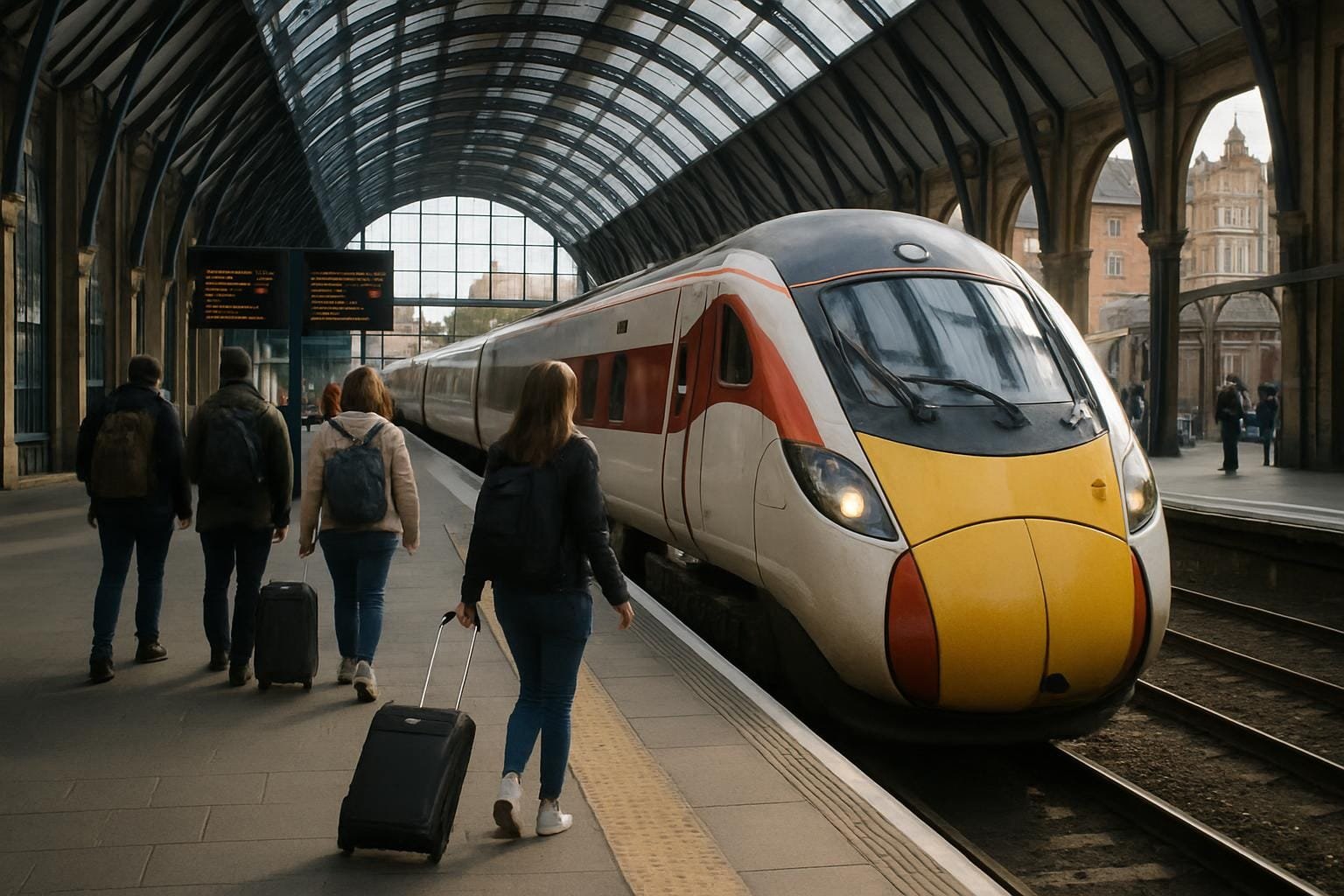
If multi city train travel UK makes you picture frantic platform dashes and living off meal deals, I get it. I used to see long rail trips as something to be endured between “proper” holidays. Then a few years back I stitched together a week by rail from Penzance to Edinburgh, zigzagging through Bristol, Manchester and Leeds, and realised it could actually be the holiday. It wasn’t all effortless gliding through countryside – there were missed connections, one very sulky guard and a Sam Smiths pub that smelled aggressively of pickled eggs – but that’s half the fun.
What follows isn’t a glossy route with everything tied up in a bow. It’s how I actually plan and string together multi‑city rail trips around Britain now: the lines I like, the awkward bits, the cheap tricks, and the places worth getting off for a night.
When people talk about multi city train travel UK, they often start with “I want to do London, Bath, the Cotswolds, Oxford…” and then stare at a map in despair. I find it easier to think in lines first, then pick stops along them.
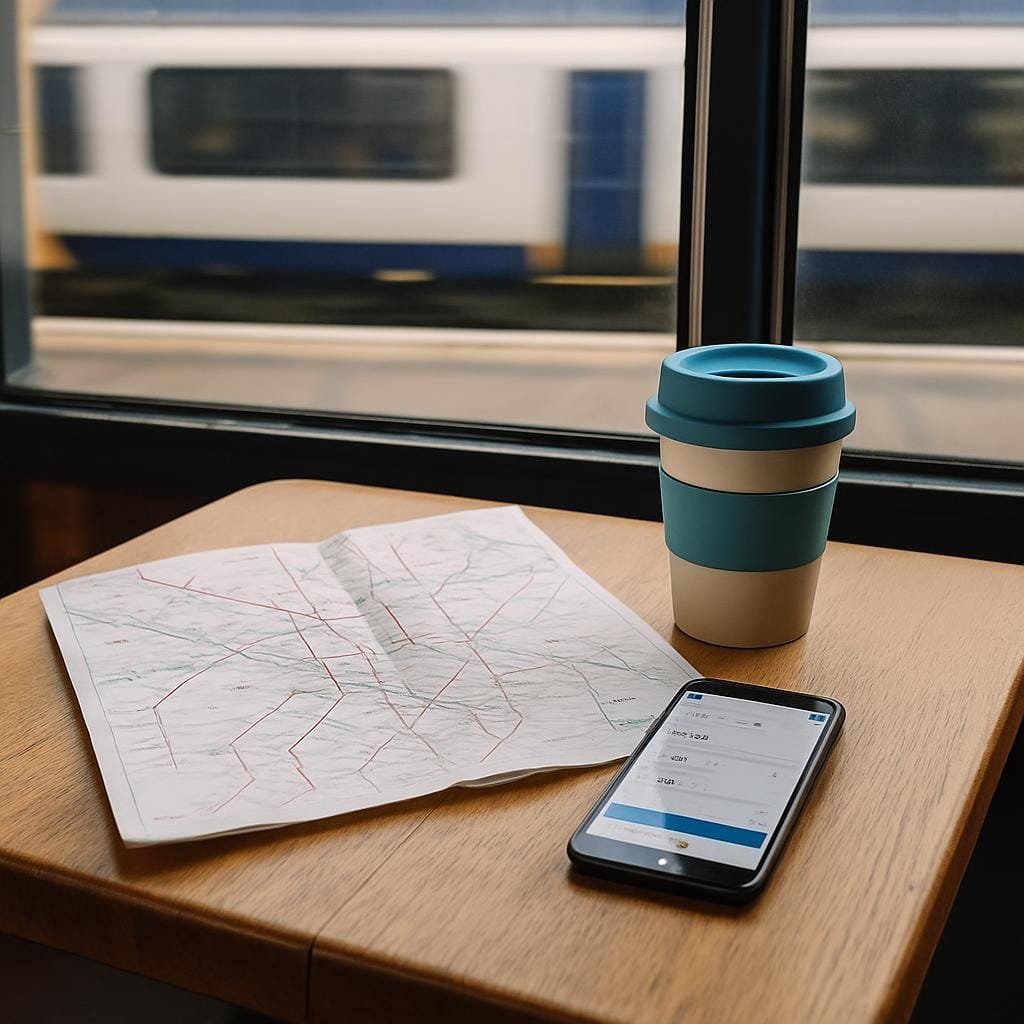
The three big cross‑country trunks that matter for this sort of thing are:
Most interesting cross‑country trips are you threading between those, using regional lines as rungs on the ladder. Bristol to Manchester via the Welsh borders. Birmingham to Leeds via Sheffield. That kind of thing.
Worth knowing before you even pick a route
A Railcard (most are about £30 a year) chops a third off most fares. Off‑peak day returns and Advance tickets are your friend – Manchester to Leeds, for example, can be anything from £4.60 on a Northern Advance to £25+ if you gamble and lose on walk‑up. And download at least one app (I use TrainSplit and Trainline) to check real‑time delays before you sprint for a connection that’s quietly been cancelled.
I’ll use a real trip as the backbone: Penzance → Bristol → Birmingham → Manchester → Leeds → Edinburgh. You could do it in two long days, but that would be joyless. I took six, with nights in four cities and one slightly over‑ambitious afternoon dash.
Penzance station is the definition of a “proper end of the line” place: buffers, seagulls, and a surprisingly good Cornish pasty stall by platform 2 called The Cornish Pantry where a large steak pasty is about £4.50 and weighs about the same as a small dog.
For Bristol you have two options:
In Bristol, I always gravitate to the station itself first. Temple Meads is a Brunel original and still smells faintly of oil and coffee. The tiny café called Hart’s Bakery under the arches by the car park does a sausage roll I think about far too often (around £4, get there before 2pm or risk disappointment). A 15–20 minute walk along the Floating Harbour gets you to The Matthew, the replica sailing ship moored by the M Shed, which does short harbour trips for around £15.
Worth knowing before you go: Bristol
This run is one of those quieter cross‑country links that make multi city train travel UK feel joined‑up instead of London‑centric. Trains go roughly hourly, taking about 1h30. Advance fares often start around £15.
Grab a seat on the right‑hand side leaving Bristol and you’ll get views across the Severn. Between Gloucester and Cheltenham there’s that lovely bit of low countryside with church spires and, in winter, fields that look permanently half‑flooded.
New Street station in Birmingham is… fine. It’s functional, it has an enormous shopping centre glued on top and a big departure board you can get slightly hypnotised by. I still get lost trying to find the Stephenson Street exit, which pops you out closest to the trams and the walk towards Victoria Square.
Food‑wise, ignore the shinier chains and head for Urban on Church Street (about 8 minutes from New Street) for a bacon sandwich around £5 and coffee that tastes like it’s been made by someone awake. If you have a couple of hours, the Birmingham Museum & Art Gallery just off Victoria Square is free (donations welcome) and has that Edwardian tea room with tiled walls and grumpy cakes.
Worth knowing before you go: Birmingham
Birmingham to Manchester Piccadilly is only about 1h30 on CrossCountry (or Avanti via Crewe), but the atmosphere changes quickly. Greenery gives way to red‑brick mills and viaducts, and approaching Piccadilly you look down into people’s back yards and half‑collapsed warehouses.
Piccadilly itself is easy to use. Platforms 13 and 14 are the ones you’ll curse later – they handle the east‑west services to Leeds and beyond, and they get wedged in rush hour. A coffee from Takk on the concourse (flat white around £3.50) has rescued many a groggy morning change for me.
Step outside and turn left down the slope, and in five minutes you’re on Canal Street by the Rochdale Canal. Last time I was there, a Sunday, the drag brunch was in full voice at about 11am, which may or may not be what you want after three hours of CrossCountry’s trolley announcements.
For a cheap-ish lunch, the Arndale Market food hall is underrated – pierogi, Thai, and a place that does Yorkshire pudding wraps the size of your head for under £7.
Worth knowing before you go: Manchester
This short hop is a key link in multi city train travel UK: four operators, loads of trains, and constant works. It’s about 50 minutes to an hour via Huddersfield or the Calder Valley.
Here’s the thing: everyone piles onto the fast TransPennine Express services. If you’re not in a rush, the stopper Northern service via the smaller stations is often calmer. I’ve had entire carriages almost to myself between Stalybridge and Slaithwaite on grim Tuesday mornings while the express behind us was standing room only.
Leeds station is big, busy and slightly confusing the first time. Head for the New Station Street exit if you want the city centre; the more modern entrance by the South Bank takes you towards the Tetley and the Royal Armouries.
My Leeds ritual is a pint in the Whitelock’s Ale House down Turk’s Head Yard – a narrow, tiled Victorian pub hidden off Briggate. Last time I paid about £4.80 for a pint of Leeds Pale, which these days passes for a bargain. Food wise, the Kirkstall Market is good, but if you can, walk up to Kirkgate Market. It’s indoor, sprawling, and you can still get a decent bacon butty for around £3 at the old‑school stalls.
Worth knowing before you go: Leeds
You can go to Edinburgh via York and the East Coast main line, which is quicker and gives you the long coastal run up from Newcastle. I’ve done that a few times. The other option, which I mildly prefer, is via Carlisle on the Settle–Carlisle line, then ScotRail or TransPennine up to Edinburgh.
Leeds to Carlisle via Settle takes around 2h30 on Northern. It’s old‑school: no seat reservations, basic trains, but the views between Settle and Ribblehead are worth it. Sit on the right‑hand side heading north if you can, and you’ll get that extraordinary sweep of the Ribblehead Viaduct and Ingleborough beyond. In winter I’ve seen snowdrifts taller than the station platforms at Dent.
Ticket‑wise, a Leeds–Carlisle single is often around £20 Off‑Peak, and if you’re doing a lot of this sort of thing, the Yorkshire Dales Rangers tickets are worth a look.
Carlisle itself is underrated as a break point – red sandstone walls, a proper castle, and a slightly battered but warm station buffet. Then it’s around 1h20 to Edinburgh on ScotRail or TransPennine, following the coast for chunks of it. On one trip the train slowed near Lockerbie for sheep on the line, and you could feel everyone on board mentally rehearse the news headline. We were moving again in ten minutes; rail staff are extremely unamused by livestock.
Worth knowing before you go: Edinburgh
I don’t map every connection to the minute. What I do is:
This kind of loose‑framed planning makes multi city train travel UK feel much more human and less like a puzzle from a railway‑themed escape room.
A few bits I’ve learned the hard way (sometimes repeatedly):
I’ll be straight with you – I didn’t fit all of these into the same trip. But they slot neatly onto the routes above.
Hop off the main line at York and even an afternoon is worth it. The National Railway Museum is free (donations, again) and a short walk from the station via the footbridge. You can sit in the old postal sorting van and listen to the clack of imagined letters being thrown around.
In town, the Shambles Market does cheap decent lunches – burritos from Shambles Kitchen for around £7–£8. Most people queue for ages to climb the Minster tower and then complain about the steps. I quite like wandering the city walls instead – free, and you can hop on and off near the station.
Worth knowing before you go: York
On the Manchester–Leeds line, Huddersfield is usually just a name on the announcements. Get off. The station frontage is one of the grandest in the country – a big neoclassical job that looks like it should be in a capital city – and between platforms 1 and 4 there’s a parish‑council‑run bookstall that still sells second‑hand paperbacks for £1.
Five minutes’ walk away, Huddersfield Open Market has fruits, veg and cheap food stalls; I once had a plate of Caribbean curry goat there for under a fiver that kept me warm all the way to Leeds in a draughty Pacer (back before they retired them in 2020).
Worth knowing before you go: Huddersfield
Yes, Bath is in all the guidebooks. But as part of multi city train travel UK it makes sense as a cheap add‑on. Trains from Bristol Temple Meads take about 12 minutes, with off‑peak returns often under £10.
The Roman Baths are around £27 for adults, which isn’t nothing, but the audio tour is good and the greenish steam rising from the Great Bath on a cold day is oddly soothing. After that, escape the high street and head up to Alexandra Park – free, steep walk, brilliant view back over the city’s honey‑coloured terraces.
Worth knowing before you go: Bath
The last time I tried to be clever with a tight cross‑country change – Sheffield, five minutes, what could go wrong? – the inbound train sat outside the station “awaiting platform staff”. By the time we rolled in, my connection was disappearing out of the far end like a smug snake. That’s multi city train travel UK for you: sometimes you glide, sometimes you stand on a windy platform with a lukewarm coffee, contemplating your life choices.
Two bits of hard‑earned advice:
Multi city train travel UK isn’t sleek. It’s a patchwork of old signalling, new franchises, refurbished 1980s stock and stations that smell like they’re haunted by chip fat from the 1960s. But that’s exactly why I like it. You can start a day with gulls over Penzance, drink your coffee under Brunel’s ironwork in Bristol, eat curry in a Birmingham market, watch the Pennines roll past Huddersfield, and end up listening to bagpipes near Waverley – all without touching a motorway.
Pack light, keep your sense of humour, build in some slack, and treat the trains as part of the trip instead of just a way to get between list‑ticking attractions. You’ll remember the slightly chaotic cross‑platform dash at Leeds, the view off the Settle–Carlisle, the surprise good bacon sandwich in a station café – and that’s the stuff that sticks long after you’ve forgotten which cathedral had the fancier spire.