
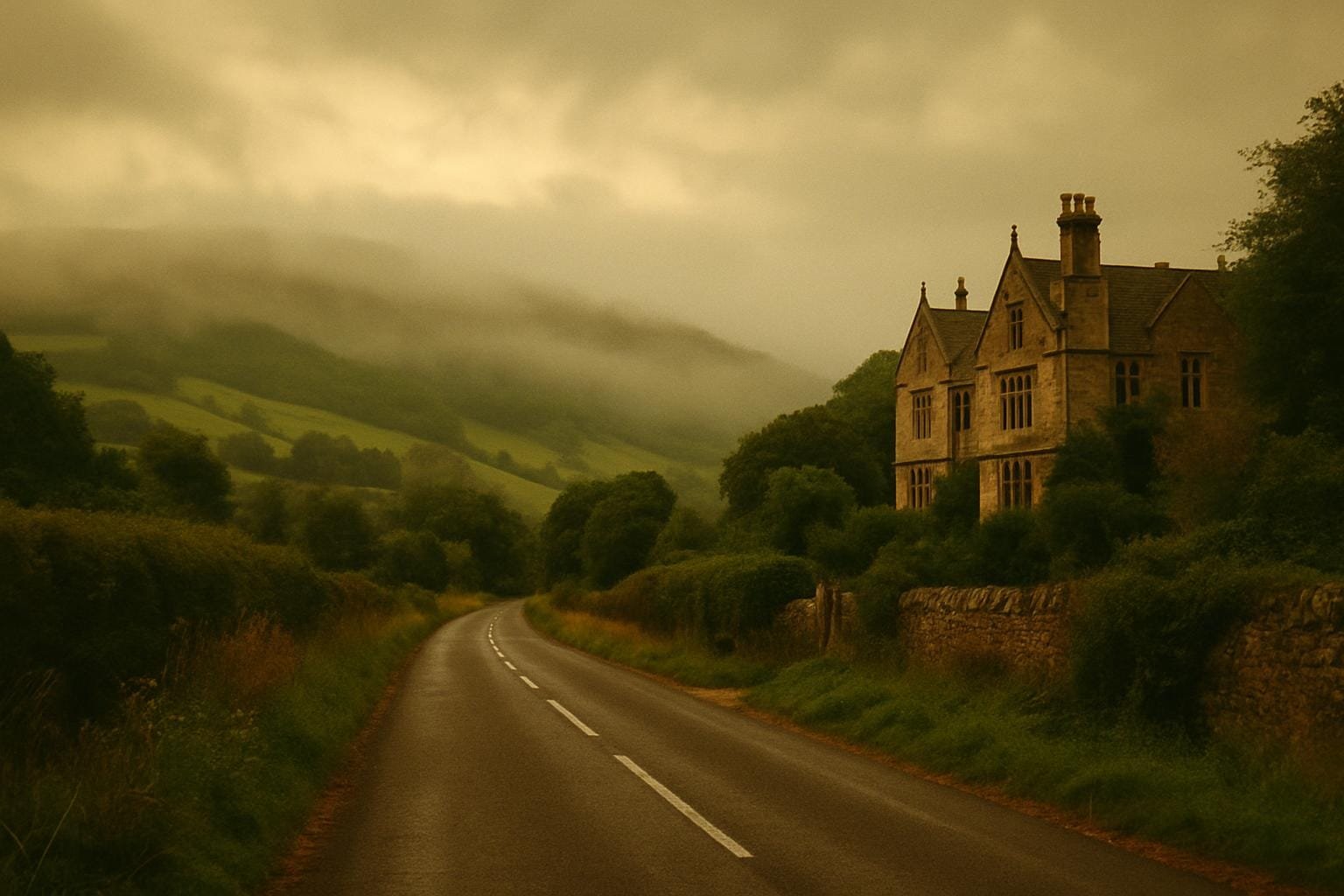
I didn’t set out to write a Led Zeppelin UK travel guide. I was trying to work out why a band that broke up before I was born still feels louder than half the acts clogging up festival posters, and I kept coming back to physical places. Specific streets, pubs, studios. I’m a food and culture person by habit – I usually write about parmos in Middlesbrough and which bakery in Leeds does the best morning bun – but every time I took a train somewhere vaguely connected to Zeppelin, I heard the records differently. Not as a “pilgrimage”, that awful word, but as a way of checking if the myth holds up against actual concrete, brick and traffic.
I was about thirteen when I first heard them properly. Not “Stairway” in a shopping centre – actually sitting down with Led Zeppelin IV on a battered CD my older cousin left in my mam’s house in Newcastle. I remember putting it on after school, still in my blazer, and thinking the start of “Black Dog” sounded broken, like the band were falling down the stairs together. Up to that point, rock to me was Oasis and the Manics and whatever the NME was shouting about. Those first few bars felt scruffy and dangerous.
Skip forward twenty-odd years. I’m in my forties now, writing in a café in Leeds, arguing with myself about whether this band actually deserves the devotion they get. Because here’s the thing I know some people will hate: I genuinely think Led Zeppelin’s cultural story has become too London-centric and far too neat. The tidy narrative about them as mystical studio hermits in the Home Counties doesn’t match the messy, very British trail they left through provincial venues, grimy rehearsal rooms and motorway service stations. If you’re going to have a Led Zeppelin UK travel guide in your head, it should smell a bit like chip fat and spilled bitter, not just incense and country houses.
Everyone starts with London, and fair enough. Without the capital, there’s no story at all. Jimmy Page was already a session machine by the mid-60s, turning up on records for The Kinks and Donovan. But the bit that always interests me is the switch from hired gun to band leader. That happened in rooms, not in myths.
Take the old Royal Albert Hall footage from January 1970. If you’ve seen the official DVD, you know the shot: Page in the dragon suit, Plant with hair like a halo, Bonham hitting “Moby Dick” so hard the room looks like it might crack. But look past the theatrics and the famous address and it’s just four blokes trying to fill a massive, echoey, slightly awkward hall without losing their grip. That balancing act between sheer volume and surprising precision – that started in London’s rehearsal spaces because they had to work out how to keep up with the rooms they were suddenly being booked into.
Still, I’d argue London mainly sharpened something that was already there. If you strip it back, the heart of their sound comes from places that don’t usually get mentioned in a Led Zeppelin UK travel guide. Towns people pass through on the A-roads, not locations on a rock tourism coach tour.
There’s a very tidy story people tell about Black Sabbath inventing heavy metal in Birmingham and Led Zeppelin doing something floatier and more mystical down south. I think that’s lazy. The truth leaks across the map. Robert Plant came out of the Black Country pub circuit, and you can absolutely hear the difference between a vocalist raised on cramped, sweating back rooms and one from the West London art-school set.
Listen to “Immigrant Song” with that in mind. On record (especially on How the West Was Won) it’s supposedly this Viking charge, but the rhythm section sounds to me like an industrial press – short, repetitive, relentless. That’s not the countryside; that’s factory shift energy. Places like Dudley and Wolverhampton in the late 60s shaped people who could stand on stage for two hours over a PA system that barely worked and still be heard at the bar.
There’s a scruffy photo of the Band of Joy – Plant’s pre-Zep group with John Bonham – taken around 1967, playing what looks like a social club somewhere in the Midlands. Fold-out chairs, dodgy curtains. I first saw it in a second-hand bookshop in Birmingham when I was at uni and it cracked the whole thing open. You realise this voice, the one that would tear through “Kashmir” a few years later, was trained shouting over clinking pint glasses and raffle announcements.
And that’s one of my main arguments about them: Led Zeppelin make a lot more sense if you think of them as a Midlands pub band hit with London money and international expectations, rather than some abstract rock gods who dropped out of the sky with a Gibson and a dragon suit.
I never saw Zeppelin – I’m not that old – but the north of England is threaded through my own relationship with them. I grew up in Newcastle where you can’t move for people boasting about having seen somebody massive in a small venue “before they were big”. A lad I used to work with in a Jesmond restaurant swore blind he saw Zeppelin at the City Hall in the early 70s. I checked; they did play the City Hall in 1971 and 1972. Were his stories accurate? Who knows. What mattered was this: in his telling, the band weren’t distant heroes. They queued for the same chippy afterwards.
There’s a bootleg from that ’71 tour, recorded in Manchester, where you can hear Plant muttering about the PA and the cold, and the crowd yelling requests that the band cheerfully ignore. They sound less like a monolith and more like a scruffy gang who’ve turned up in a cold northern city and decided to blow out the vents. For me, as someone who came to them years later via dodgy mp3s and remasters, those imperfect recordings did more to humanise them than any pristine reissue.
Side-note that might annoy some people: I honestly think the British north embraced the heaviness of Zeppelin faster than a lot of the southern press did. In places where Sabbath, Deep Purple and later Judas Priest were treated as serious graft rather than a cartoon, that riff-based, blues-dragged-through-a-steelmill sound made immediate sense. When you grow up near shipyards and old collieries, the snobbery about “proper” blues versus “bloated” rock seems ridiculous. If the riff on “Whole Lotta Love” makes your bus stop vibrate as it goes past, it’s doing its job.
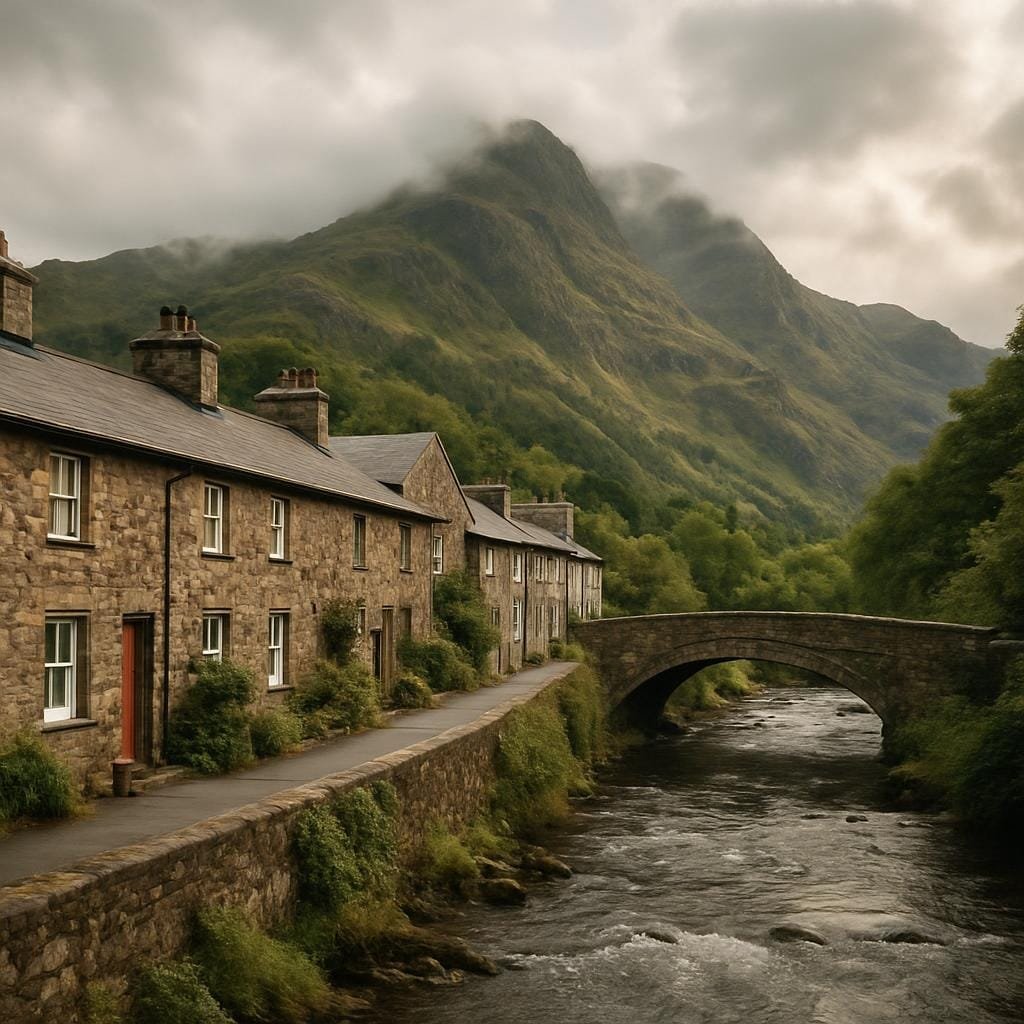
The easiest part of any Led Zeppelin UK travel guide is Bron-Yr-Aur, the cottage in Wales where bits of Led Zeppelin III were written. You can see why it gets mythologised. It lets people tell a tidy story: band goes to countryside, finds acoustic guitars, grows up. There’s some truth there – you can hear the shift from the clatter of “Heartbreaker” to the fingerpicked lilt of “Bron-Y-Aur Stomp” and “That’s the Way”. But a cottage is just a building. The more interesting bit for me is what they allowed themselves to take out of those songs later.
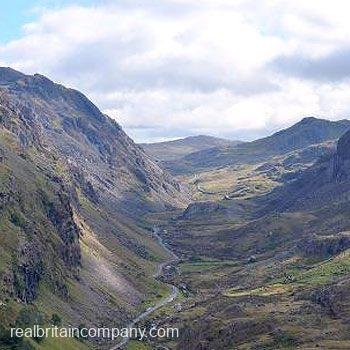
I got mildly obsessed with “Friends” for a while – the one with the droning strings on III. I was staying in a freezing AirBnB near Snowdonia one winter a few years ago, supposedly to walk, actually to eat my body weight in bara brith from a bakery in town. I’d put “Friends” on while staring at a slate-grey mountainside and it finally clicked why that track always felt slightly unsettling. It’s acoustic, but it’s not cosy; the tuning is off in a way that makes you lean in. That uneasy quality, the refusal to let the acoustic songs become polite folk, is what they got from stripping things back in Wales.
And here’s the argument I’d pin my colours to: the acoustic side of Led Zeppelin is stronger, more durable music than a fair chunk of the supposed “classic” hard rock in their catalogue. I’d take “That’s the Way” and “Going to California” over “Rock and Roll” any day. Play them back to back and tell me honestly which sounds less tied to 1972. The soft ones don’t feel smaller; they feel less embarrassed about being emotional.
Now we hit the bit everyone talks about: Headley Grange, the residential space in East Hampshire where they recorded big chunks of Led Zeppelin IV and Physical Graffiti. You know the story – “When the Levee Breaks” drums recorded in the stairwell, Bonham’s kit at the bottom, mics hanging from the banister, the whole lot crushed through a Helios desk and some ancient compressors.
It’s easy to fetishise that stairwell, like it has magic properties. But as someone who’s spent a lot of time in old British buildings, what hits me about that story is how normal it is. Any draughty Victorian place in the UK has that boom when you clap in the stairwell. The clever bit wasn’t finding a spooky house; it was hearing the potential in something every terrace and vicarage already had.
I’m slightly allergic to gear chat, but every time I hear that “Levee” drum sound used as a sample in hip hop – Beastie Boys, Massive Attack, you name it – I think: that’s a British acoustic quirk gone global. No desert, no LA canyon, no multimillion-dollar studio. Just a cold house, some tea, and patience. The romance of it is overcooked, but the connection between physical space and musical result is real.
You can’t talk about Zeppelin and the UK without mentioning those five nights at Earls Court in May 1975. I’ve watched the dodgy VHS transfers and the cleaned-up bits on the official band site. What always strikes me isn’t the scale – though that stage set with the hanging lights has been copied to death – but the sense of slight exhaustion around the edges.
By that point they’d done American tours that read like fever dreams, released Physical Graffiti with its sprawl of ideas from “Kashmir” to “Boogie with Stu”, and come home to a London that treated them like conquering kings. The venue was an exhibition centre, not a purpose-built arena, and you can feel the awkwardness in the way the sound behaves on the recordings. For me, Earls Court marks the tipping point between a band testing their limits and a band trying to live up to the scale of their own reputation.
Here’s a thought that might annoy the faithful: I think Zeppelin were a better British band when they were playing slightly too-small venues in 1969–71 than when they were trying to be the biggest thing on the planet. The 1970 show at the Royal Albert Hall swings and stumbles like a very loud blues group with delusions of grandeur. By Knebworth 1979, filmed in a Hertfordshire field, they look like they’re dragging a statue around with them.
Because my brain is wired around food and place, I can’t think about a Led Zeppelin UK travel guide without imagining the unphotogenic parts of touring: service-station fry-ups, pints of orange squash backstage, late-night curries after the gear finally got loaded back in the vans.
There’s a line in Richard Cole’s tour-manager stories about Bonham being obsessed with finding proper food on the road, not just soggy sandwiches. You can picture them, half-cut, wandering into some Midlands curry house in 1971, long hair steaming in the winter air, demanding vindaloos before it was a thing people bragged about ordering. That’s as real a part of the story as any country cottage or chrome-plated limo.
I like to think about these practical details because they pin the band back to Britain, to a specific north-European drizzle and a certain kind of café. The same year they were writing “Stairway to Heaven”, greasy spoons up and down the country were flogging all-day breakfasts to hungover punters under humming strip lights. That’s the Britain my parents knew, that’s the country I grew up in the tail-end of, and that’s the context in which this supposedly mystical, towering band actually operated.
So where does that leave you, if you’re the sort of person who might google a Led Zeppelin UK travel guide while planning a weekend away? Honestly, I’d say don’t worry too much about ticking off locations. Most of the buildings are either private, demolished, or heavily commercialised. You won’t hear “Kashmir” in a stairwell by turning up with a speaker and a camera.
What you can do is listen to the records with a mental map switched on. Next time “Black Dog” comes on, picture a draughty northern venue with the doors open because the place is steaming. When “Going to California” drifts by, imagine a freezing Welsh hillside, not an American canyon. Put on “When the Levee Breaks” and think of a British stairwell in winter, your breath fogging in the air. It makes the songs feel less like relics and more like things that happened here, in the same country where you buy your meal deals and argue about train delays.
For me, that’s the real cultural weight of Zeppelin. They weren’t gods; they were the inevitable result of post-war Britain colliding with American blues and having better amps than sense. They carried the noise of Midlands factories, the damp air of Welsh hills, the theatre of London halls and the tired humour of motorway cafés into a handful of albums and tours.
And yes, I’ll keep arguing that the soft stuff – the acoustic tracks and the stranger, less macho material – will outlast some of the big riff showpieces. I reserve the right, as someone who’s spilt tea on IV more times than I can count, to say that “Tangerine” deserves as much reverence as “Whole Lotta Love”. You don’t have to agree. But if this band means anything to you, try tracing your own mental route through their Britain. Your personal Led Zeppelin UK travel guide might just take in a bus stop, a sixth-form common room, a crap stereo in your first flat. That’s legitimate territory.
In the end, that’s how I measure their staying power. Not by how many guitar shops still stock sunburst Les Pauls, or how many dads put them on in the car, but by the way those songs attach themselves to your own real places. A damp student house in Manchester, a late-night kebab in Birmingham, a long coach ride up the A1 listening to “Over the Hills and Far Away” on repeat. None of those locations will ever appear on an official map, but they’re as much part of the trail of the thunder gods as any famous cottage or grand hall.
If you need a neat line to end on, it’s probably this: the best Led Zeppelin UK travel guide is the one you already carry in your headphones, stitched together from all the ordinary British places you’ve ever heard that band roar, whisper or wander off into some odd, folky corner. Follow that, and the myth finally feels like it belongs to you, not to a coffee-table book.