
I started going to the Cotswolds in my early twenties, back in 2011, when my idea of a good weekend was “find a nice pub and walk until my legs complain”. Like most people, I began with the postcard villages and coach-stop viewpoints. Pretty, yes. Also crowded, expensive, and weirdly samey after the fourth gift shop selling ‘COUNTRYSIDE KITCHEN’ tea towels.
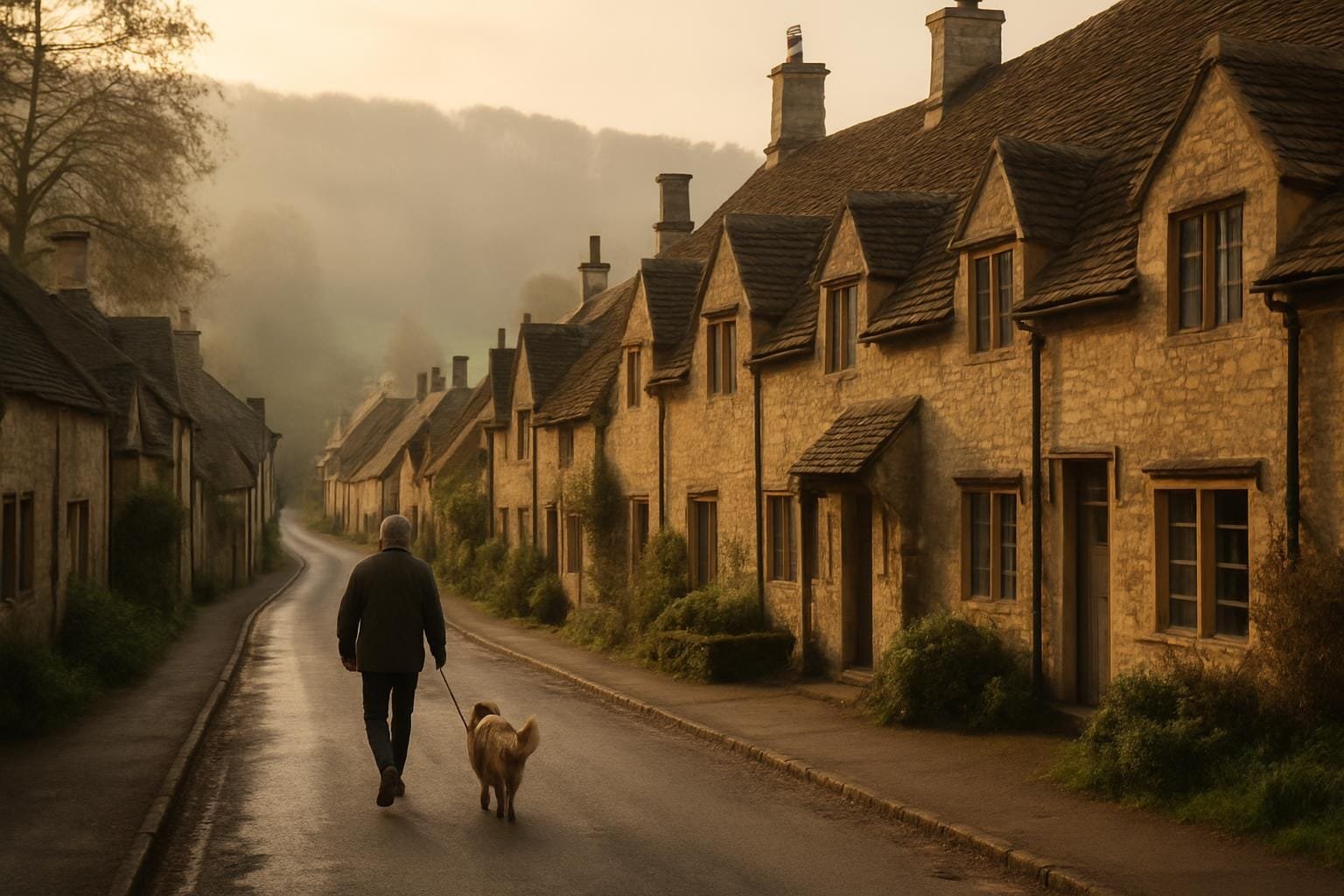
Over the years – weekend in 2014 here, random Tuesday in 2019 there, a drizzly long weekend in 2022 – I’ve come to realise there’s a whole shadow map of places locals quietly keep to themselves. The hidden Cotswolds aren’t secret so much as… unflashy. They’re the bits where people actually live, buy their milk, take their dogs, and complain about parking in a very British way.
Here are a few of those everyday corners that have stayed with me – the places I’d point you towards if you said, “I’ve done Bourton and Bibury; what now?”
I first rolled into Nailsworth on a gloomy Saturday in February 2016 after fleeing a rammed farmer’s market in Stroud. My friend suggested “Nailsworth, it’s where actual people go”, which sounded promisingly vague.
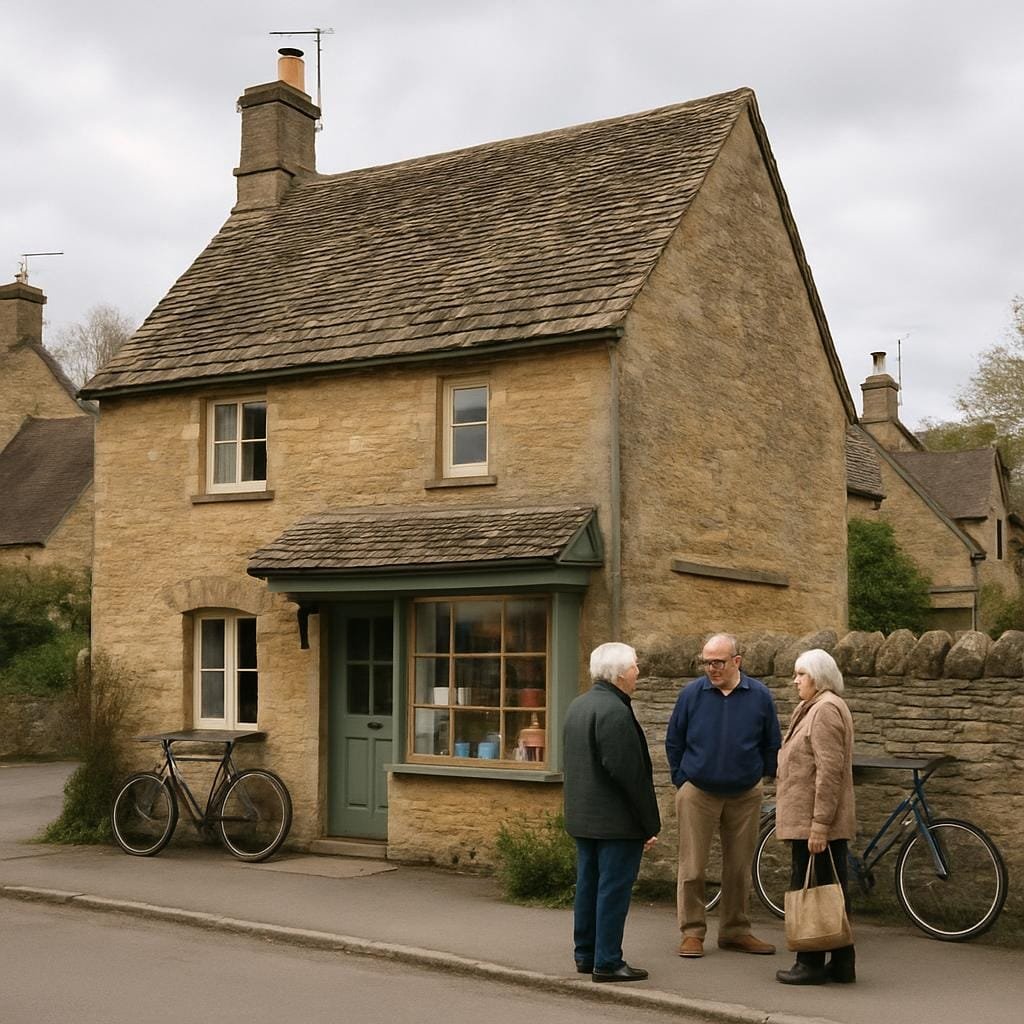
What struck me wasn’t a grand view or some postcard-perfect square, but the fact there’s a proper town centre that feels used. People with paint on their trousers queuing at the bakery. Kids in football kits dragging parents towards the sweet shop. And a Coop. An actual Coop, not an “artisan local provisions experience”.
I ducked into Hobbs House Bakery and joined a line of locals debating sourdough like it was politics. I paid just over £3 for a huge sausage roll and promptly burned my mouth on it outside. Worth it. They still do a dangerous cinnamon bun too – I checked again on a wet November morning in 2022, just to be thorough.
Across the road, The Canteen (now part of Bear) did me a flat white and a roasted veg sandwich that felt pleasantly non-touristy – mismatched chairs, noticeboard full of yoga classes and babysitters, the whole lot. Last time I was in, autumn 2023, a man was loudly explaining Bitcoin to his very patient partner. Gentrification has clearly arrived, but the town still feels like somewhere people go to argue with their electrician.
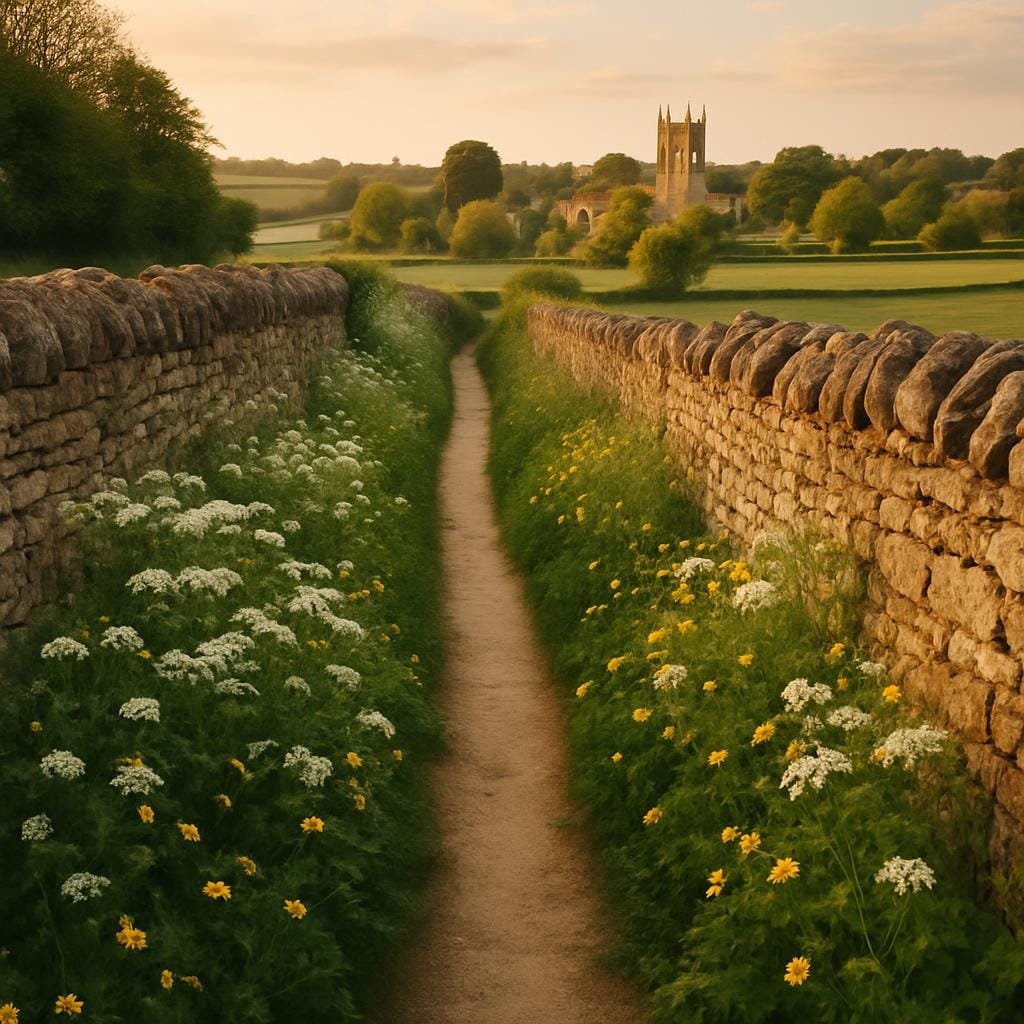
If you’ve ever driven across Minchinhampton Common in summer – my first time was August 2014 – you’ll remember two things: the sudden, wide openness, and the sense that someone has let livestock loose on a golf course.
Freeroaming cattle wander across the road, stare at your car, and sometimes refuse to move, like furry traffic wardens. There are tiny signs warning you they’re about, but you won’t fully appreciate that until a Hereford appears in your headlamps at 10pm. Happened to me in 2018, driving back from a pub in Amberley. I braked, it stared, we both reconsidered our life choices, then it sauntered off.
This isn’t a curated thing. It’s how the common works under ancient grazing rights. At certain points you get hardcore golfers sharing the grass with picnicking families and teenagers in hoodies. It feels stubbornly ordinary and slightly anarchic.
On a bright but windy day in May 2021, I parked by The Old Lodge, a pub plonked in the middle of the common with views that go on for miles. A pint of local ale was about £5.80, and the chips vanished mysteriously fast. Inside: dogs, muddy walking boots, and a surprising number of people discussing house prices.
My first time in Winchcombe was in 2013 on a very wet April day, the kind where your waterproof gives up and accepts its fate. I’d come for Sudeley Castle (which is fine, though £19.50 for an adult ticket in 2024 is a bit of a gulp) but ended up more interested in the town.
It was only on a later visit in late summer 2020 – in that strange post-lockdown haze – that I actually felt like I’d “got” Winchcombe. I ignored the main traffic bit and zigzagged the side streets. There’s a small charity shop where I bought a spectacularly ugly cardigan, and a hardware shop that smells of fertiliser and old cardboard. Exactly right.
From the centre, I followed a muddy path towards Sudeley, then peeled off on a footpath waymark instead of going into the castle. A local dog walker tipped me off, with the warning: “It’s dull if you’re expecting drama, but lovely if you’re not.” Correct. It’s a gentle hour or so of fields, hedges, and the odd view back towards the town. The sort of walk where you slowly exhale Birmingham or London out of your system.
Back in town, Winchcombe Bakery did me a chunky pasty for about £3.50 and didn’t look twice at my mud-splattered trousers. Around the corner, North’s Café still had a proper plastic sugar dispenser and slightly wobbly tables when I last went in 2021. The tea arrives in thick mugs; the cake portions are unapologetic.
I’ll be straight with you – I used to treat Northleach as a place to stop for a loo and a coffee on the way to “proper” sights. That changed on a hot July afternoon in 2019 when a road closure near Burford forced me onto the B-roads, and my sat nav had a small nervous breakdown.
I ended up looping around the back of Northleach, through Fosse Way lanes and minor roads with no hedges, just long rolling fields. No iconic viewpoints, no tour buses, just the steady thrum of tyres on tarmac and the odd tractor. It felt oddly intimate, like seeing the Cotswolds without its make-up on.
Northleach itself is worth a pause. Market Place has a practical feel: The Wheatsheaf Inn for posh meals if that’s your thing, but I’ve usually ended up in The Curious Wine Cellar, picking up a decent bottle and being gently persuaded into something slightly more expensive than planned. In 2022, a local told me the town’s unofficial sport is trying to guess house prices while walking the dog.
Just outside town, the Old Prison – a former 18th-century house of correction – is quietly fascinating if you’re at all into social history. Entry was free last time I went in late 2020; there’s a small café where the coffee is slightly inconsistent but the staff are nice enough to make up for it. The original cell doors and the exercise yard give you that weird shiver of “people really lived like this”.
Tetbury is famous for royal-adjacent shopping and antique places you feel afraid to breathe in. But behind the main strip, it’s more ordinary, and I mean that as a compliment. I’ve been in and out of Tetbury since about 2015 – sometimes for work, sometimes to meet friends – and it’s grown on me in the way that only slightly scruffy market towns can.
On a cold January morning in 2018, I parked in the Long Stay car park off New Church Street – around £3 for 3 hours at the time – and wandered in via the back alleys. The view you get is not curated: wheelie bins, back gates, cats giving you the dead-eyed stare of someone who has seen too many tourists.
Up on Long Street, I nosed into Hobbs House Antiques and a few other places, but what stuck was a tiny hardware shop where I bought pegs and a washing line because I’d broken mine at home. The woman behind the counter and I had a 5-minute conversation about storm damage. That, to me, is the hidden Cotswolds: buying pegs in a town famous for royal baby plates.
For coffee, The Blue Zebu (previously Café 53) did me a decent cappuccino for about £3.20 in 2022 and had that nice mix of cyclists, parents with prams and a bloke reading the paper like it was still 1997. Around the corner, the Tetbury Food & Drink Festival pops up each September; I went in 2019, ate something deep-fried and cheese-based I still think about, and spent most of the afternoon accidentally bumping into the same retired couple on every stall.
The first time I saw Painswick itself, back in 2012 on a gloomy November day, I thought: “This is what architects put on mood boards.” Stone houses, tight streets, yews in the churchyard clipped into shapes that look slightly sinister in the mist.
It wasn’t until a hot June afternoon in 2017 that I finally walked up to the Painswick Rococo Garden. Entry is currently around £10.90 for adults. I’ll be honest: I balked slightly at the price when I first checked the board, but I’d driven all the way up the hill, so in I went.
The garden has a slightly eccentric, theatrical feel – follies painted in pale colours, quirky viewpoints, and (if you go early in the year) snowdrops everywhere. I went again in February 2023 for their snowdrop season; it was busy but in a very British way: lots of politely murmuring people with cameras, some clearly judging each other’s lenses.
The bit I really like, though, is the walk back down into the village. Proper pavements give way to little stone paths, and suddenly you’re back among regular houses with recycling boxes and kids’ scooters abandoned by front doors. I sometimes stop at The Oak for a pint – about £5.60 last time I checked – or a soft drink if I’ve driven. There’s also Painswick Pizzeria trading from the golf club in recent years; one chilly October evening in 2022 I ate a whole pizza in the car because it was too cold outside, which felt shambolic and excellent.
Broadway gets a lot of attention, and the tower is Insta-famous, but the bit I keep returning to isn’t the high street or the £14.50 ticket to Broadway Tower. It’s the scuffed bit of grass and footpath at the edge of the escarpment where locals walk their dogs, grumble about parking charges, and barely glance at the view you came for.
I first ended up there around 2015, after being mildly overwhelmed by how busy the village was on a sunny Saturday. I followed a sign for the Cotswold Way, walked uphill for 20 minutes, and suddenly the noise dropped away. The view opens up across the Vale of Evesham in a way that makes you feel like you’ve stepped out of the tourist brochure and into the OS map.
On a hazy evening in August 2022, I sat there with a slightly squashed sandwich from Russell’s Fish & Chips (about £10 for cod and chips) and watched a local family attempting to fly a kite that clearly had other ideas. Behind me, dog walkers did the classic British thing of nodding and saying “Evening” without making eye contact.
If there’s a thread running through all these places – Nailsworth’s bakery queues, slow cows on Minchinhampton Common, Tetbury’s back alleys and Painswick’s pegs – it’s that the hidden Cotswolds aren’t really about secret locations. They’re about the ordinary bits that tourism doesn’t bother to brand.
They’re in the Coop car parks and noticeboards for WI meetings; in the charity shops with mysterious lamps; in the £3 car park that runs out of spaces at school-pickup time. The more I go back – 2011, 2014, 2017, 2020, 2023 – the more those are the details that stick, far more than any perfect sunset over a field of sheep.
If you’ve already ticked off the greatest hits, try this next time: pick one of these towns, park up, and ignore the “Top 10 things to…” list. Wander the ordinary streets. Buy something you actually need, rather than another tea towel. Sit in a café where no one cares about your itinerary. The hidden Cotswolds have always been there; you just have to look where the postcards don’t.