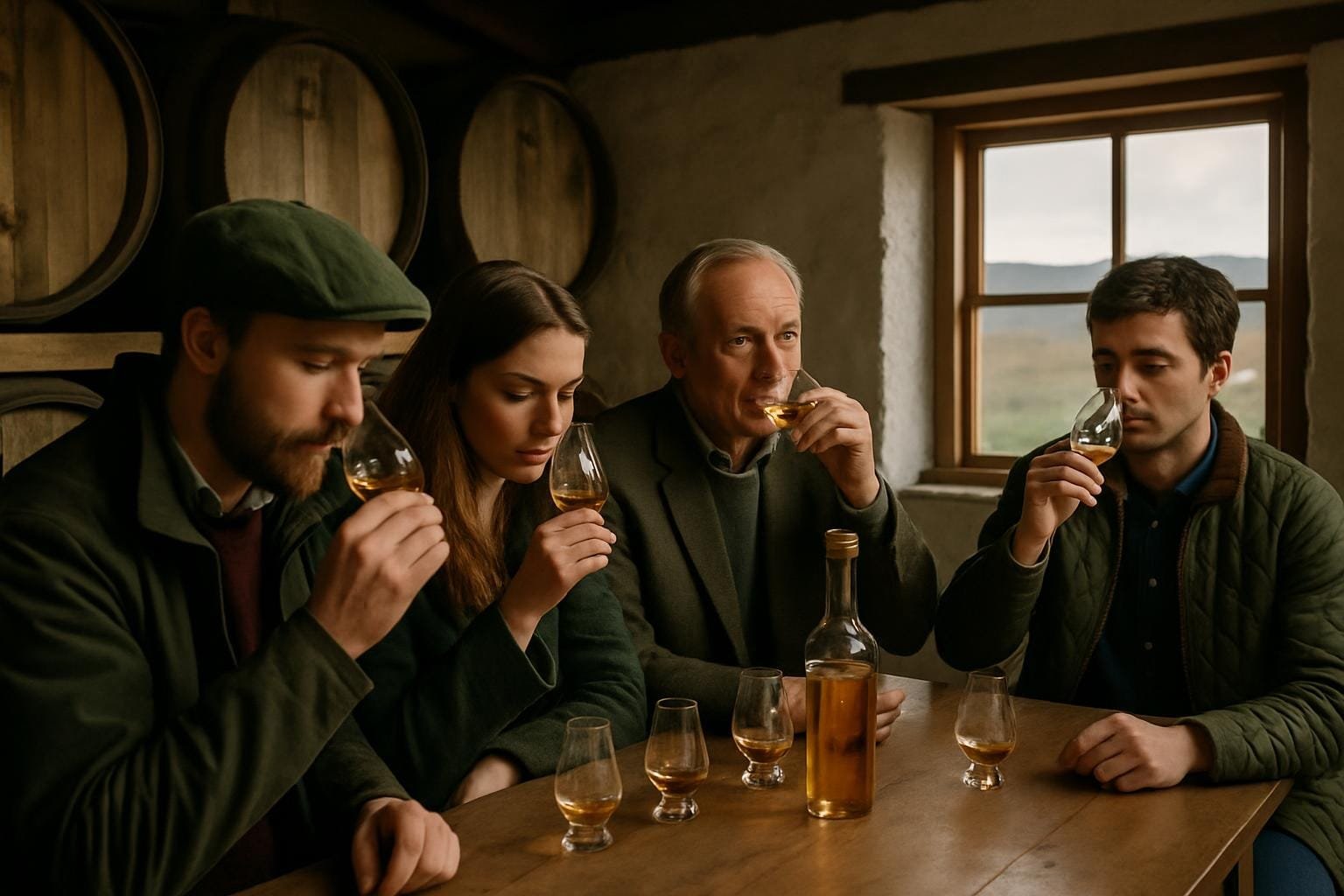
If you’re thinking about a car-free whisky tasting Scotland escape, Speyside is where things start to make sense. Trains, little local buses, distillery paths that smell faintly of malt and woodsmoke, and enough drams to make you very glad you’re nowhere near a steering wheel. I’ve done Speyside with a hire car and without, and the car-free version wins hands down. Less stress, fewer arguments about who drinks what, and a lot more time to stare at the River Spey and philosophise about casks.
Speyside runs roughly along the River Spey between Aviemore and Keith, with a big knot of distilleries around Craigellachie, Dufftown and Rothes. On a map it looks spread out, but the trick is to base yourself on the ScotRail line at Elgin or Keith, then use local buses, your feet, and the odd taxi when the British public transport gods inevitably have a laugh at your expense.
The first time I came up here without a car, I half-expected to be stranded in a lay-by with a leaking umbrella and a warm bottle of Irn-Bru. Instead, I found myself shuffling down leafy lanes between distilleries, past old railway bridges and warehouses that smell of sherry and old wood. Once you get your head around the bus timetables, it works.
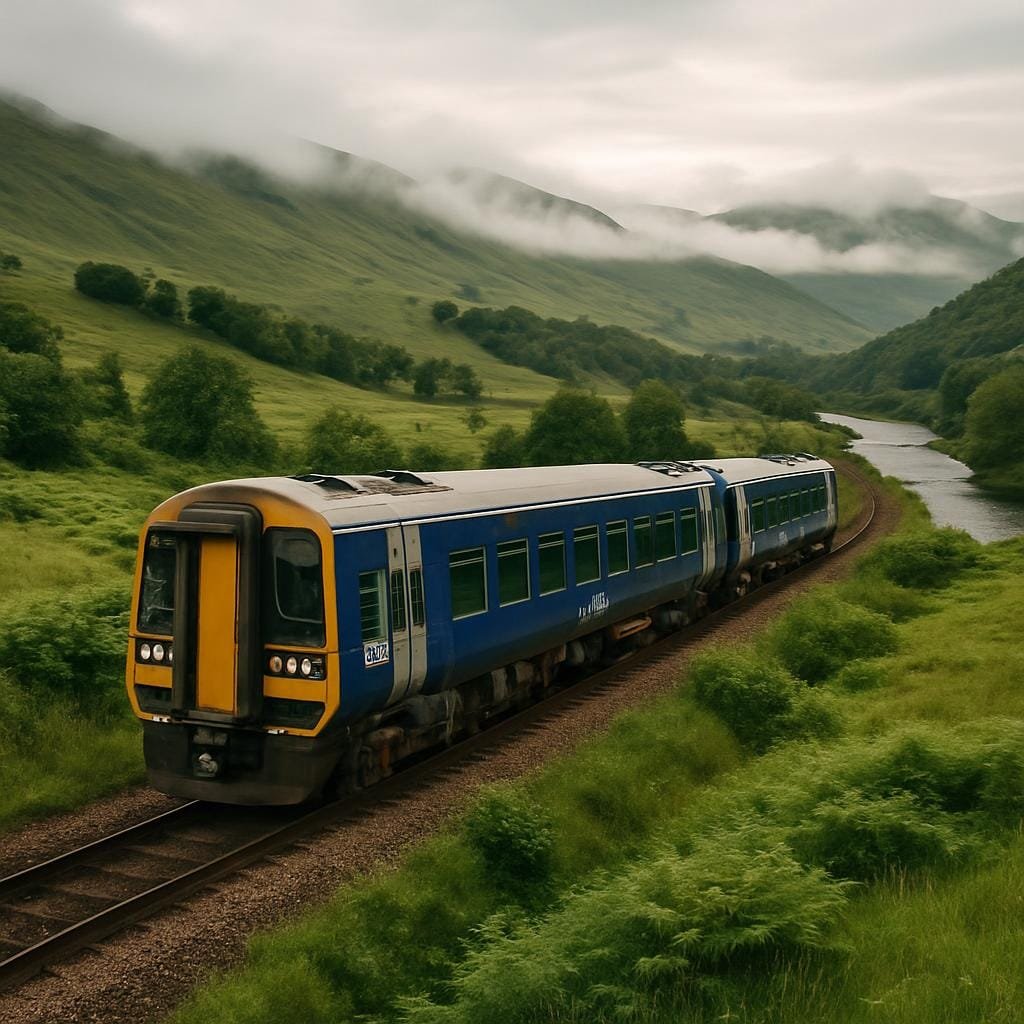
Elgin is your practical base. It’s on the main Inverness–Aberdeen rail line, with fairly regular trains and a decent choice of places to sleep and eat. It’s not pretty in an Instagram way; it’s a real working town. That’s part of the appeal. The ruins of Elgin Cathedral loom over everything (£9 entry for adults if you want to climb the towers), and you’ve got a proper high street with bakers, charity shops and a slightly chaotic Tesco for train snacks.
For whisky, Elgin has two things going for it:
Worth knowing before you go – Elgin
Train from Inverness or Aberdeen will land you at Elgin station; it’s a 10–15 minute walk into town. Best time to be here is midweek outside school holidays – fewer crowds and calmer trains. Most visitors miss the riverside path along the Lossie from Cooper Park: good spot to clear your head after a night of “just one more dram”.
From Elgin, hop on a Stagecoach 36 down to Rothes (about 30 minutes; last time I paid roughly £5 return). Rothes smells of whisky long before you see anything – that warm, cereal note mixed with a hint of angel’s share in the air. It’s a bit industrial, a bit tired in places, but this is where things get interesting for car-free whisky tasting Scotland plans.
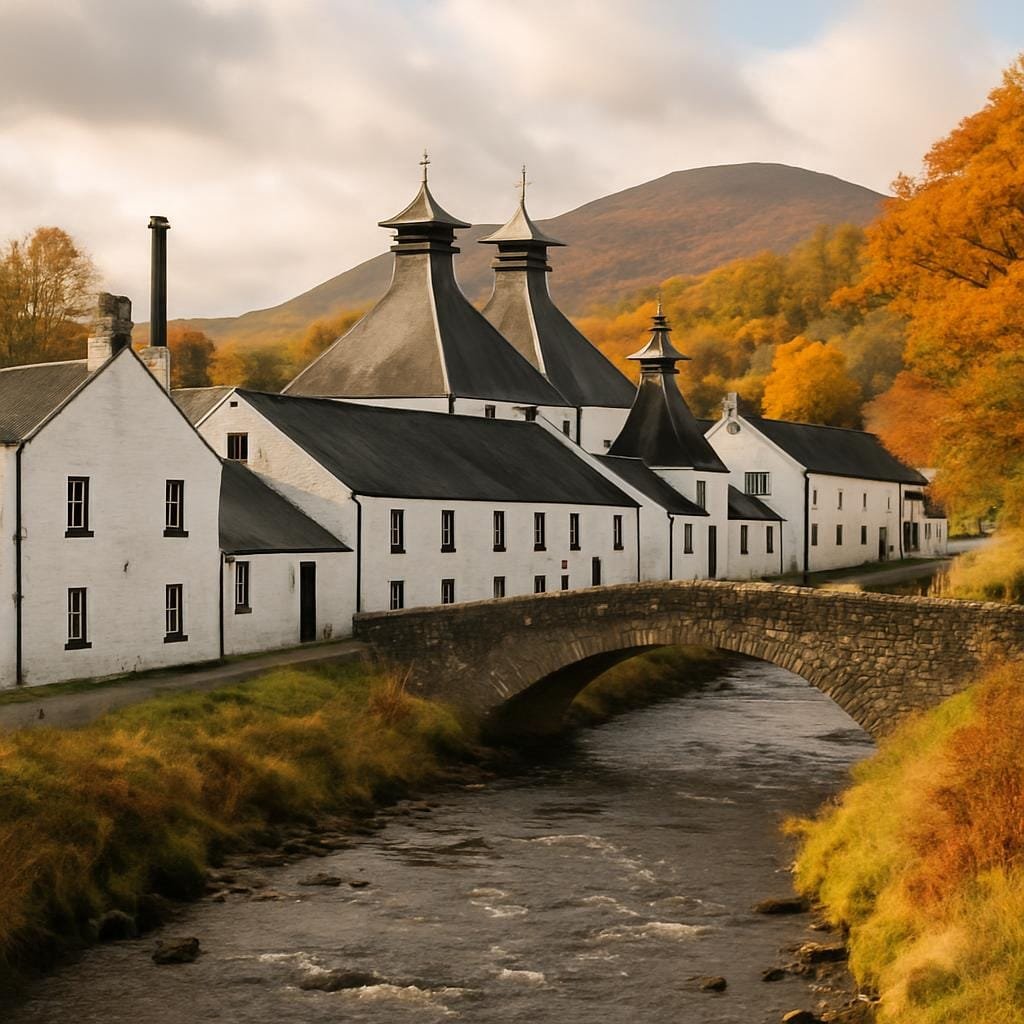
Glen Grant Distillery is right at the southern end of town, about a 10-minute walk from the bus stop. You pass the Victoria Bar on the way, which is the sort of pub where the carpet has seen life and the regulars know exactly who you are within three seconds.
The distillery tour is around £20–£25, depending on which tasting you go for. You get the usual walk through mash tuns and stills, but the ace up their sleeve is the Victorian garden out the back. Most whisky tours end in a tasting room; here you wander through woodland paths and little stone bridges to a dram hut beside a waterfall. There’s a faint smell of damp earth, spearmint and whisky in the air, and if you go in late spring the place is green to the point of showing off.
The visitor centre café does a good bowl of Cullen skink for less than a tenner and homemade scones that never quite match in size. I once lost a full hour in there waiting out a proper sideways-rain episode. There are worse places to be trapped.
Worth knowing before you go – Rothes & Glen Grant
Book Glen Grant tours in advance in summer; groups tend to be small and they fill up. The walk from town is on pavement, but it’s on a slight incline back, which you will notice after three drams. People tend to skip the little lookout above the garden tunnel – climb the short path right behind the dram hut and you get a cracking view back over the trees and warehouses.
From Rothes you can push on to Craigellachie by bus (M10 or 36 depending on the time; it’s only about 10 minutes). The village crouches where the River Fiddich meets the Spey, with a famous iron bridge designed by Telford and half the whiskies in your cupboard within walking distance.
The Craigellachie Hotel isn’t cheap – you’re looking at £200+ a night, easily – but even if you’re staying elsewhere, the Quaich Bar upstairs is worth a pilgrimage. Hundreds of bottles line the wall, from fairly sensible pours at £6–£8 up to once-in-a-lifetime things you’ll probably only ever point at.
The bar staff are excellent at matching you with something interesting without upselling, and there’s a quiet pleasure in sitting with a Speyside malt while you watch people come in red-cheeked from the rain. Food in the Copper Dog downstairs is hearty pub fare: haggis bonbons, fish and chips around £18, and a sticky toffee pudding that will end your evening whether you like it or not.
Up the road – about a 40-minute walk or a quick taxi – is The Macallan Estate. I’ll be straight with you: the first time I saw it, I thought I’d taken a wrong turn into an eco-tech headquarters. The grass-roofed distillery peeks out of the hillside like something that should have its own security detail.
Tours run from around £25 upwards and are more polished than cosy: lots of slick presentations, clever lighting and talk of cask management. The whisky is good, the architecture is impressive, but you do feel the corporate heft. Worth it once, especially if you’re into design or engineering, but it’s a very different experience from pottering around a small site like Glen Grant.
Worth knowing before you go – Craigellachie
Craigellachie is small enough to walk across in a few minutes. The Speyside Way walking path passes right by the village; a gentle riverside section towards Aberlour makes a good hangover cure. Bus services thin out in the evening, so budget for a taxi back to Elgin if you linger in the pub. Most people miss the short walk down under the Telford bridge – from the village side, there’s a steep little path to the riverbank and a stone bench that’s perfect for a quiet sit.
Dufftown is an easy bus hop from Craigellachie (M10 again; around 20 minutes). It calls itself the “Malt Whisky Capital of the World” on the big sign outside town, which is confidently done. There’s a square with a clock tower, a co-op, a scattering of pubs and so many distilleries in reach you start to lose count.
Glenfiddich is the one everyone’s heard of, and for good reason. The distillery is about a 10–15 minute walk north from the town square along well-marked pavements. Standard tours run from around £20 and include a walk through the stone courtyards, the still house and warehouse, finishing with a tasting of several core expressions.
The thing that surprised me here was how personal it felt despite the scale. Our guide talked as much about their family history as the technical stuff, and there was a nice bit about the resident ducks who patrol the cooling ponds. The café does decent coffee and traybakes; I paid around £6 for a good-sized slice of carrot cake big enough to share, which I did not.
Practically next door, but behind a separate gate, is Balvenie. Tours here used to be the insider tip: longer, more in-depth, and with proper warehouse time. They’re more limited now and you absolutely have to book – think £50+ for a half-day-style visit, with a handful of drams that would be pricey in a bar.
The last time I went there was an older chap in the group who’d clearly been saving this visit for years. Watching his face in the dunnage warehouse, surrounded by old sherry casks, was almost better than the whisky. Almost.
Worth knowing before you go – Dufftown
Dufftown is reachable by bus but timetables can be a bit eccentric on Sundays. Plan a loose day: two tours is about the max before your notes turn illegible. The Spirit of Speyside Whisky Festival in late April/early May turns the town into whisky central, with tastings in unusual spots (I once had a dram in the old Mortlach church, which felt mildly blasphemous). Most day-trippers miss the short climb up to the Giant’s Chair viewpoint on the hill – look for the signed path near the playing fields.
From Craigellachie, if you’ve any sense, you’ll spend at least part of a day walking or busing down to Aberlour. The Speyside Way path follows the river between the two – about 4 miles on fairly easy track – and it’s one of the best low-effort walks in the area. I’ve walked it in low cloud with drizzle hanging over the pines, and it still beat sitting on a bus.
The Aberlour Distillery sits at the edge of town, about five minutes from the square. Tours hover around £20–£30 and usually end with a tasting that includes something sherried and punchy. If they’re pouring A’bunadh, be careful – it’s the sort of cask-strength thing that creeps up on you, especially after a big lunch.
The site feels compact: stone buildings, trees crowding in at the edges, and the burn running by. It’s easy to linger, which is where the car-free whisky tasting Scotland approach saves you; no one’s watching the clock for the drive home.
From the distillery, follow the signed path up to Linn Falls. It’s about 20 minutes through woods, past old warehouses; you’ll probably smell the whisky before you see them. The waterfall itself is compact but loud, with a little pool you can clamber down to if the rocks are dry.
Back in town, do not miss Walkers Shortbread shop on the main street for biscuits you’ll regret not buying by the kilo, and The Spey Larder deli for cheese, local beer and takeaway pies. I once made the tactical mistake of buying a full slab of tablet from Spey Larder before a tasting. Sugar and whisky is an… energetic combination.
Worth knowing before you go – Aberlour
Buses run between Craigellachie and Aberlour fairly regularly in daytime, but tail off in the evening. The Speyside Way section between the two is flat and straightforward; trainers are fine in dry weather. Most people take a photo of the main square and miss the little path behind the parish church leading down to the river – good spot to sit on a stone, listen to the water and postpone thinking about how much whisky you’ve just bought.
This next bit is less glamorous but matters more than what hat you wear in your Instagram shots.
Speyside is brilliant for car-free whisky tasting Scotland trips, but it’s easy to overdo it. Be realistic. Two tastings in a day is plenty, and you’ll get far more out of one really attentive tour than four rushed ones you barely remember.
If you want to be really car-free from the start, base yourself in Elgin or Aberlour and day-trip out. Elgin has budget options like the Premier Inn Elgin (often under £80 a night outside peak times) and smaller guest houses. Aberlour has more B&Bs and small hotels within walking distance of the Speyside Way.
On one trip I tried to be clever and stay outside town “for the peace and views”. Lovely idea, but I spent half my time trying to coordinate last-minute taxis and the other half checking bus apps with one bar of signal. Learn from my mistakes.
Speyside works year-round, but it does change character. I first came up in late October, when the hills were all copper and the air smelled of smoke from the first log fires. Since then I’ve been back a couple of times closer to summer, when you trade damp boots for midges and more crowds.
This is the Highlands, so pack layers, a waterproof you trust, and shoes you can walk in all day. I once tried to “travel light” and spent three days in the same drying room corner at a guest house, rotating damp socks like some kind of low-budget laundry carousel.
There’s something about leaving the car keys at home that changes the pace of a trip. On a car-free whisky tasting Scotland break, especially up here, you’re forced to slow down. Buses dictate your moves, walks between tastings clear your head, and there’s always time for an extra coffee or a chat with a guide who actually grew up two streets away from the still house.
Sitting on the evening bus back to Elgin with a faint warmth in your chest, a bag of carefully rattling bottles at your feet and your phone full of wonky photos of copper stills – that’s when it hits you. You didn’t need the car. You needed the river, the warehouses, a half-understood bus timetable and a bit of trust that things would connect. In Speyside, more often than not, they do.