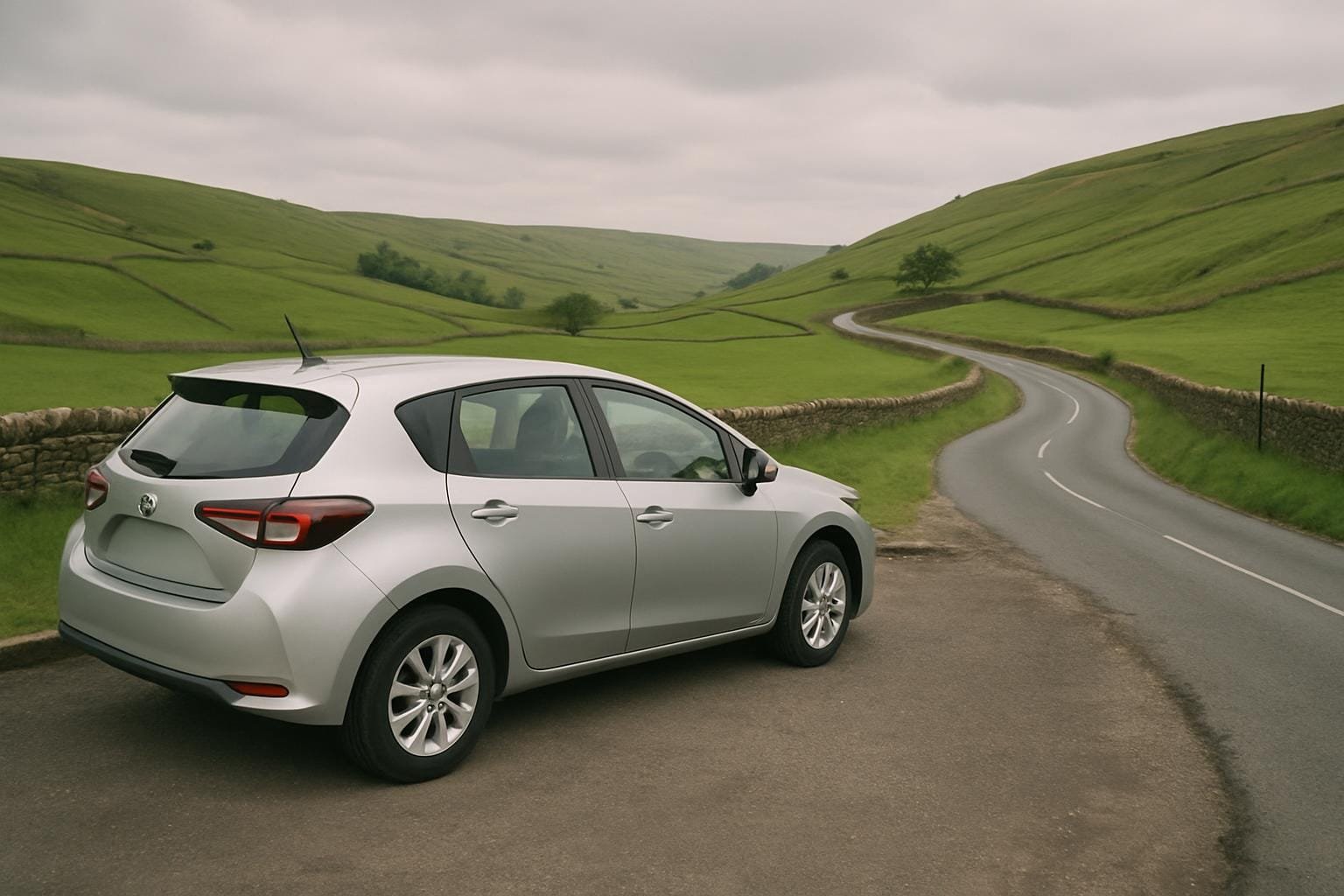
Seven days, one tank. That was the rule I gave myself: one full tank of diesel in my slightly battered estate car, and see how much of Britain I could cross without feeling like I’d personally melted another bit of ice shelf. It wasn’t going to be a saintly zero‑carbon odyssey – this was about a genuinely low‑carbon, realistic sort of holiday. Think: shorter distances, slower driving, and the odd train or bike thrown in. An eco friendly UK road trip that didn’t require a Tesla or a second mortgage.
I started in the Midlands, because that’s home turf, but you can tweak this loop from pretty much anywhere. The idea is simple: fewer miles, more time in each place, and a route that strings together rail stations, walking trails and decent places to eat so you’re not living off service‑station pasties.
I actually began by cheating: I left the car at home and took the train into Birmingham. If you’re trying to keep an eco friendly UK road trip sane, the easiest win is to not drive into cities at all.
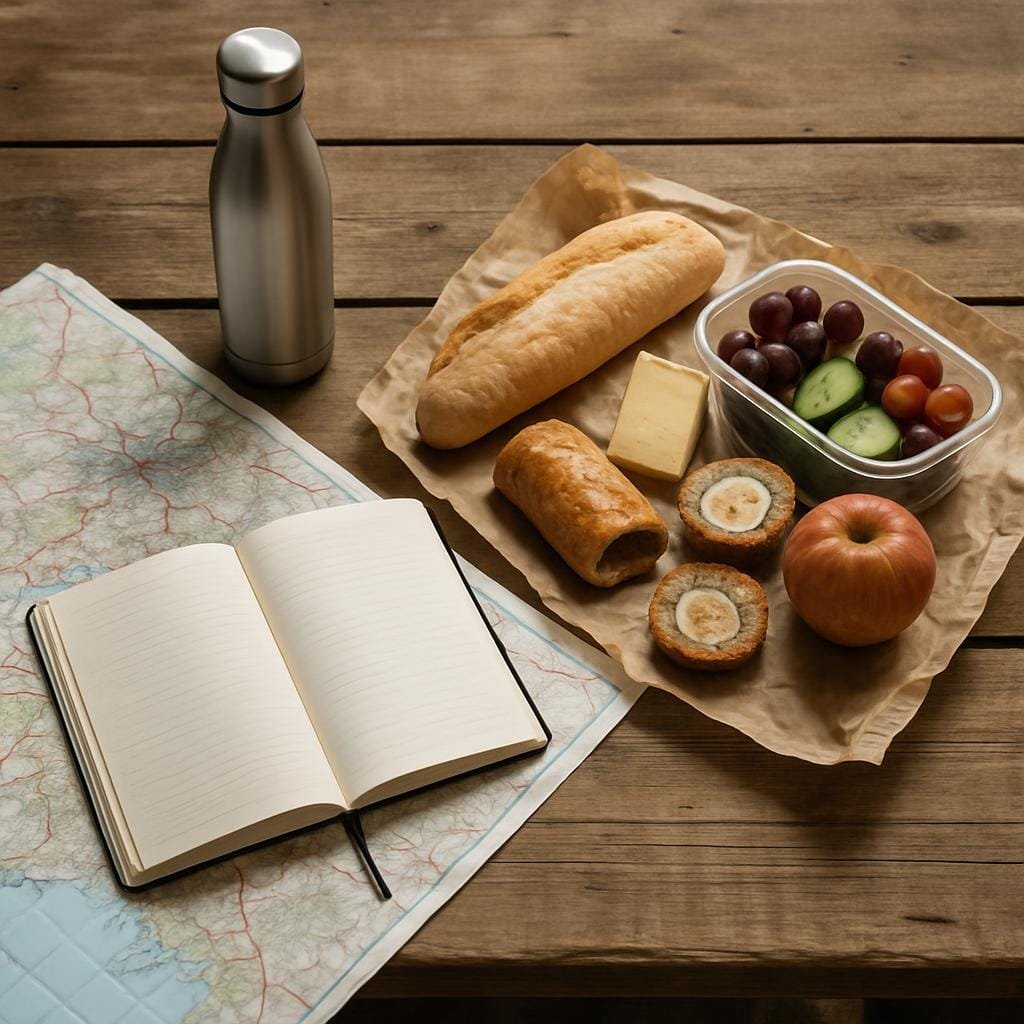
New Street station is right in the middle of things, and you can walk almost everywhere. I checked into a basic but clean hotel near Broad Street, dumped my bag and went straight for coffee at Boston Tea Party on Corporation Street. It’s in an old bank, all tiles and high ceilings, and they actually refuse to do single‑use cups. You pay about £3.50 for a flat white and your conscience gets a free biscuit.
That afternoon I wandered down to Birmingham Museum & Art Gallery. It’s free, though they suggest a donation, and even if you’re not fussed about pre‑Raphaelites, the Edwardian Tea Room is a solid pit stop. Last time I was there I had a cheese and onion toastie and listened to a family arguing cheerfully about which Black Country town was the “proper” one.
In the evening, I walked along the canal past Gas Street Basin – there’s an absurdly specific “No Mooring: Waterbus Only” sign that always makes me wonder what drama prompted it – to Tap & Tandoor on Broad Street. Mixed grill, pint of Oakham Citra, around £25 all in. Absolutely worth the mild food coma.
Worth knowing before you go – Birmingham
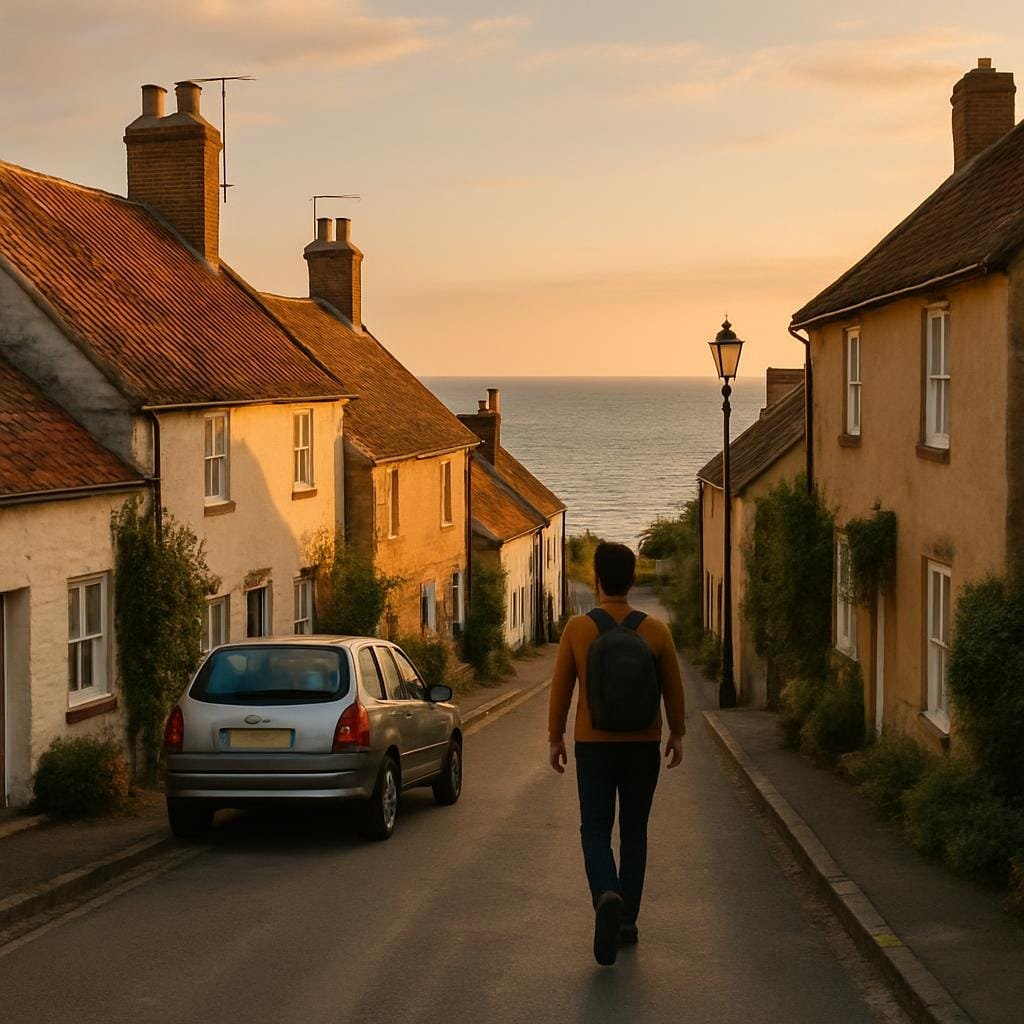
So, where’s the car? Still at home. I picked it up the following morning with a full tank and a simple plan: head north‑west, but not far.
From the western edge of Birmingham to Ironbridge is about 40 miles – less than an hour if the M54 isn’t misbehaving. This is the joy of a lower‑carbon loop: you’re not hammering up to Scotland on day one; you’re meandering.
I parked in the long‑stay car park at Station Yard (around £4.50 for the day; pay and display, bring coins because the card machine has moods). From there you can walk across the Iron Bridge itself – the first time I came here as a kid I assumed they’d just painted a normal bridge orange. It took a few years and a second visit before the “Industrial Revolution” penny dropped properly.
The Gorge is best done on foot. I walked the Severn Way path towards Coalport, following the river, past damp stretches that still smell faintly of tar and wet stone. Halfway along there’s a slightly tragic picnic bench with an incredible view back to the bridge. I watched a heron catch something that was either a fish or a very unlucky twig.
For lunch: The Tea Room at Ironbridge on High Street. Scones that crumble properly, not those cake‑disguised‑as‑scone things. Cream tea around £7. You can sit by the window and judge everyone’s parking.
Next morning I visited Blists Hill Victorian Town. Entry’s about £23 for adults, and yes, that feels steep until you realise you can lose four hours there easily. They still change money into old pennies at the bank, and the little pharmacy smells like carbolic soap and childhood plasters. Bring comfy shoes; the hill from the entrance up to the printers is no joke.
Worth knowing before you go – Ironbridge
From Ironbridge to Shrewsbury is another easy run, about 20 miles up the A4169 and A5. By this point I’d used perhaps an eighth of the tank. Not glamorous, but strangely satisfying.
Shrewsbury is a market town in a loop of the River Severn, all odd angles and black‑and‑white buildings. I grew up not far away, so coming back now always feels like running into a slightly older cousin who’s started wearing nicer coats but still drinks the same lager.
I parked at Frankwell car park (£5–£6 for the day, and it does flood, so check the signs) and walked over the Welsh Bridge into town. First stop: Shrewsbury Market Hall. It’s a 1960s concrete lump from the outside, but inside you’ve got everything from fruit and veg to an astounding Thai curry stall. I grabbed lunch at Moran’s – big slab of quiche and salad for under a tenner – and watched the queue snake around for The Shrewsbury Coffeehouse around the corner, which tells you all you need to know about their flat whites.
In the afternoon I walked the river loop; it’s about 40 minutes if you don’t dawdle. There’s a small, slightly lurking‑looking changing hut by the Quarry where the local wild swimmers use the steps. A friend finally persuaded me in a few years back: Severn water in late spring is refreshing in the same way being slapped is refreshing. I liked it far more than I pretended at the time.
For dinner I went to The Old Post Office on Milk Street. Low beams, slightly sticky carpet, decent ale. Steak and ale pie about £15, chips that could do with more crispiness but somehow still get finished.
Worth knowing before you go – Shrewsbury
From Shrewsbury I headed east on the A5 and up through the A53/A515 towards Derbyshire – another 60‑odd miles. Instead of heading for the Instagram‑heavy bits of the Peak, I cut down to Carsington Water and the small town of Wirksworth.
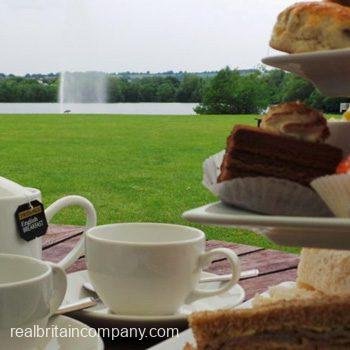
Carsington is a reservoir that looks like it was designed by committee but in a good way. There’s an 8‑mile path around the edge, part tarmac, part gravel, with enough small inclines to make your legs work. Parking at the main visitor centre is around £6 for the day; the machine greets you with an aggressively cheerful “WELCOME TO CARSINGTON!” message that feels sarcastic in horizontal rain.
I hired a bike from Carsington Water Cycle Hire; £23 for the day for a standard adult bike. The loop is gentle except for one short, mean hill near the sheep pastures where I was overtaken by a seven‑year‑old who didn’t seem to be breathing at all. The reservoir itself is busy near the café but goes oddly quiet halfway round; just gulls, wind in the hedges and the occasional faint roar from the sailing club.
Later I drove the short hop (about 10 minutes) to Wirksworth, parked in the pay‑and‑display by the Co‑op (£4-ish for the day) and wandered up to the Wirksworth Heritage Centre. Entry’s about £5.50. There’s a surprisingly good section on the local quarrying and railway history – the logistics nerd in me was unreasonably pleased – and a small café with properly strong tea. Each September they run the Wirksworth Festival, with art trails through people’s houses, which is a nice way to be legally nosy.
Worth knowing before you go – Carsington & Wirksworth
This is where the eco friendly UK road trip idea really earns its keep. From Wirksworth I drove to Chesterfield (about 45 minutes), parked in the cheaper long‑stay car park near the crooked spire (£4 for the day), and took the train into Sheffield. It’s 15 minutes on the local Northern service and saves trying to thread a car through tram lines and bus gates.
Sheffield station spits you out by a huge steel water feature and a constant soundtrack of suitcases. From there I walked up to The Winter Garden – a covered glasshouse, free entry, filled with plants that look like they might judge you. The air’s warm and a bit earthy, with a faint smell of coffee drifting in from Marmadukes café next door.
Lunch was at Tamper Coffee on Arundel Street. Kiwi‑inspired, queues out the door on Saturdays, but once you’re in, the eggs Benedict is properly sharp with hollandaise. You’ll pay around £12–£14 for brunch and a coffee.
In the afternoon I walked up to the Millennium Gallery to see the Ruskin collection – part art, part slightly unhinged Victorian nature worship – then out to the Peace Gardens. On warm days kids run through the fountains while adults pretend not to be splashed. Last time I sat there I ended up talking to an older bloke who remembered when half the city centre was still heavy industry. “Cleaner now,” he said, “but I do miss the noise.”
Worth knowing before you go – Sheffield
On day six I took the train back to Chesterfield, reclaimed the car (still comfortably above half a tank) and pointed it into the Peak District properly, heading for Hathersage via the A621 and A6187. It’s an hour or so of steady hills and views that make you slow down even without thinking about fuel economy.
Hathersage has paid parking behind the Oddfellows (£4–£5 for the day). I laced up my boots and tackled the walk up to Stanage Edge. It’s a gradual climb on a well‑trodden path, and whichever way you go, at some point you’ll step ankle‑deep into something that looks safe but isn’t. The gritstone edge stretches on for miles, and you get that wide view over fields and moors that makes you understand why every third person up there is from a walking group in matching fleeces.
Back in the village, I stopped at Outside Café, which is attached to the outdoor shop. The coffee is strong, the cakes are large, and the back deck looks out over the valley. They also don’t look at you funny if you arrive covered in peat and regret.
I stayed that night in a modest B&B on the edge of the village and headed home the next morning, looping back towards the Midlands via Buxton and Leek. Even with that final detour I’d done just under 400 miles on one tank. An eco friendly UK road trip in the literal sense? No. But a lower‑carbon week, with more walking, more trains, and more time in each place: definitely.
Worth knowing before you go – Hathersage & Stanage
Honestly: yes, but it feels different. Slower. Less about ticking off miles, more about staying long enough in each place to find the slightly odd corner – the miners’ coffin lid in Wirksworth, the wild swimmers’ changing hut in Shrewsbury, the heron in Ironbridge waiting longer for its lunch than any of us would tolerate in a café.
I used the car mainly to hop between railway lines and walking routes, which felt like the right compromise. The fuel gauge hardly moved for the first couple of days; by the end of the week I’d still got enough in the tank that old me would have been tempted to “make the most of it” and belt up to the Lakes. This time, I went home instead, dogs very pleased to see me, car slightly dusty but far from empty.
If you’re thinking of planning your own eco friendly UK road trip, you don’t have to redesign your entire life. Pick a region rather than the whole country. Park up outside the cities and let the trains and your feet do some of the work. Accept that you’ll occasionally get rained on, lost, or overtaken by a seven‑year‑old on a bicycle. And when the week’s over and you’ve still got fuel in the tank, it feels oddly hopeful – like you’ve borrowed Britain for a bit and given most of it back.