
If your idea of Norfolk is queues for the car park at Wells and dodging ice creams on Cromer pier, I’ve got good news. There’s another side to the county where the horizons are wide, the roads are mostly empty and the loudest thing you’ll hear is a curlew. Call it Norfolk slow travel if you like: fewer “must-sees”, more watching the tide creep across a salt marsh and wondering how you’re going to get back to the car without wet feet.
I’ve been coming back to this bit of the east coast since a friend moved to Norwich a few years back. Each time I edge a bit further away from the big-name resorts and end up in smaller villages where the pub still doubles as the noticeboard and the beach car park is an honesty box with a tin lid.
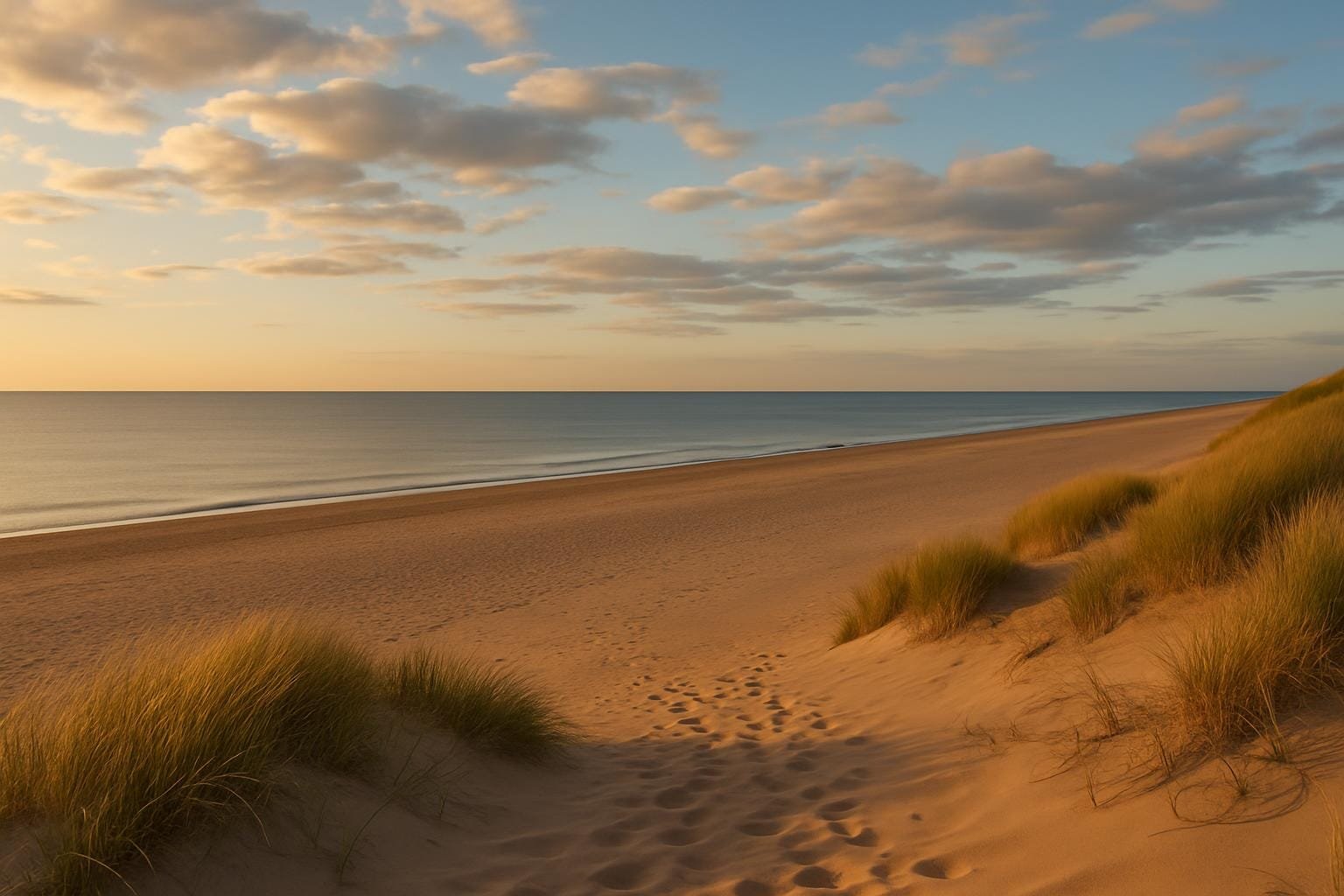
Thornham sits between Hunstanton and Brancaster, and a lot of people drive straight past it. You shouldn’t. The beach is a good twenty-minute walk from the main road, across the salt marsh along a raised path and then over the dunes. On a spring tide the marsh glistens and there’s that sharp, slightly metallic smell of seaweed and mud. Halfway along you pass the old coal barn, low and silent by the creek, which looks like it’s waiting for a film crew.
I once misjudged the tide here and watched, with a sort of slow-motion horror, as the water cut off my “shortcut” back. Cue a soggy detour and me squelching into the pub like a shipwreck survivor. Worth it, though. That walk out to the beach in late afternoon, with the sky doing moody grey stripes and the only sound the wind in the reeds, is Norfolk slow travel in its pure form.
Back near the road, The Orange Tree is the posh option – proper dining prices, good local seafood, bookings recommended at weekends. A main will run you £18–£30, but the fish is thoughtfully done and they keep their ale well. A couple of minutes’ walk away, The Lifeboat Inn leans more pubby, low beams and the faint smell of woodsmoke even in July. Their crab sandwiches are reliable, and there’s usually Adnams or Woodforde’s on cask for about £5.50 a pint.
Worth knowing before you go:
Holme-next-the-Sea feels like the end of something. The road runs out, the car park is basically a flat bit of land behind the dunes, and beyond that there’s just sand, sea and the mouth of The Wash. I turned up here one windy afternoon when I’d had enough of people and wanted a beach that wasn’t trying to sell me donuts.
The Holme Dunes Nature Reserve is managed by Norfolk Wildlife Trust. There’s a small visitor centre that sells tea and basic snacks, and a viewing screen where you can watch waders fussing about in the shallows. The reserve entry donation is suggested at around £3, and the main car park is about £6 for the day (card machine, which behaved better than I expected given the signal).
The beach itself is long and fairly featureless in the best possible way. Huge arch of sky, flat, firm sand, hardly any buildings in sight. It’s the sort of place where you lose track of distance; you walk for half an hour and everything still looks the same, except the light has shifted a shade.
Worth knowing before you go:
I’ll be straight with you – Holme doesn’t have much in the way of cafés right by the beach. If you want a proper coffee, head back to Thornham or drop into Eric’s Fish & Chips at Drove Orchards on the main road. Sit in, you’re looking at £10–£12 for fish, chips and peas, plus the emotional cost of deciding between curry sauce or gravy.
Burnham Overy Staithe has all the ingredients of a coastal honeypot – tidal creek, sailing boats, attractive white houses – but it seems to absorb people better than most. The tide goes out a long way; when it does, the mud glistens and kids run wild with crabbing lines off the quay, arguing about who nicked whose bacon.
From the quay there’s a terrific walk along the sea wall to the beach, about a mile and a bit. You pass an old windmill inland and the salt marsh on the seaward side, all humps and pools where redshank pick about. If the tide is high, the creek comes right up and you get that lovely illusion of walking between water and sky. This, again, is Norfolk slow travel – the walk is the point, not the thing at the end of it.
Back near the road, The Hero does good pub food with a slight London-weekender energy. Mains around £18–£25, a decent fish pie, and a chalkboard full of local gins that you probably don’t need but may end up sampling anyway. It’s popular, so booking ahead in August is wise.
There’s also a little village shop opposite the pub – Burnham Market Stores runs it as an outpost – where you can grab takeaway coffee, sausage rolls and emergency plasters. Handy if you’ve misjudged your sandal choice.
Worth knowing before you go:
Driving east along the coast, most people barrel through Cley-next-the-Sea, clock the windmill and the delicatessen, and keep going to Sheringham. I did that the first time too. It was only later, staying in a slightly wonky cottage in Blakeney, that I bothered to stop properly.
Wiveton is technically inland, but only just. It’s really about the view towards the sea. The Wiveton Hall Café is one of those places that appears on Instagram a lot, with colourful chairs in the garden and big salads. I went in sceptical (I am, by nature, more sausage bap than quinoa), but the food is genuinely decent, and you get a ridiculous view across the marshes to Blakeney Point. Expect to pay around £12–£15 for a main, £3–£4 for cake, and to queue at peak times.
From Wiveton you can wander down to Cley along quiet lanes and pick up the path through the Cley Marshes Nature Reserve. The visitor centre, run by Norfolk Wildlife Trust, has big windows facing the reed beds and a café upstairs. They do a solid cheese scone and tea in a pot, which, combined with the sight of avocets prodding about outside, is a decent way to lose an hour. Entry to the reserve is around £6 for adults; the café and shop are free to use.
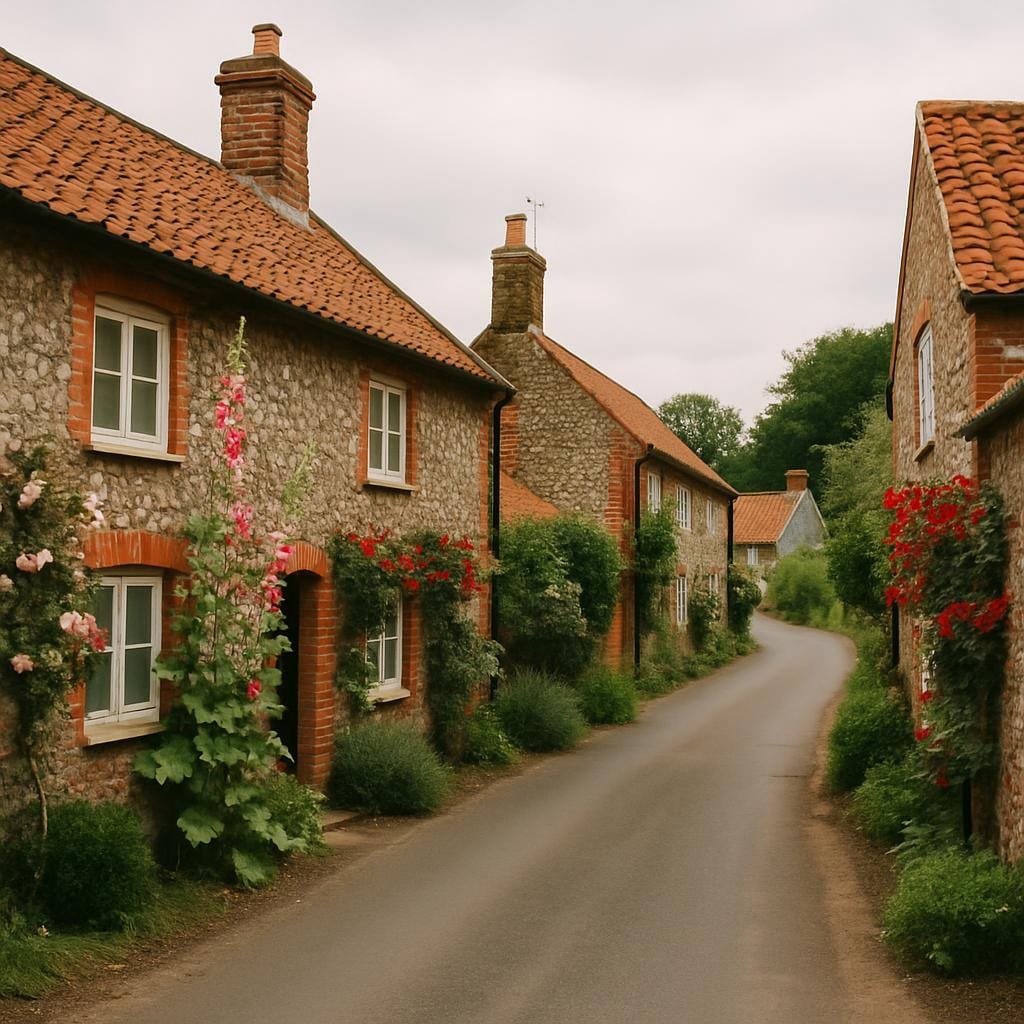
The village of Cley itself has narrow streets, proper flint cottages and the slightly over-the-top St Margaret’s Church, which feels enormous compared to the village around it. Inside, it’s cool and echoey, and there’s usually a table with homemade jam and chutney for sale near the door – cash in the honesty box.
Worth knowing before you go:
Over on the east coast, things get quieter again. Horsey is basically a scattering of houses, a church, a windpump and a seriously long beach. If you like your sea-watching with fewer arcades and more drama, it’s worth the detour.
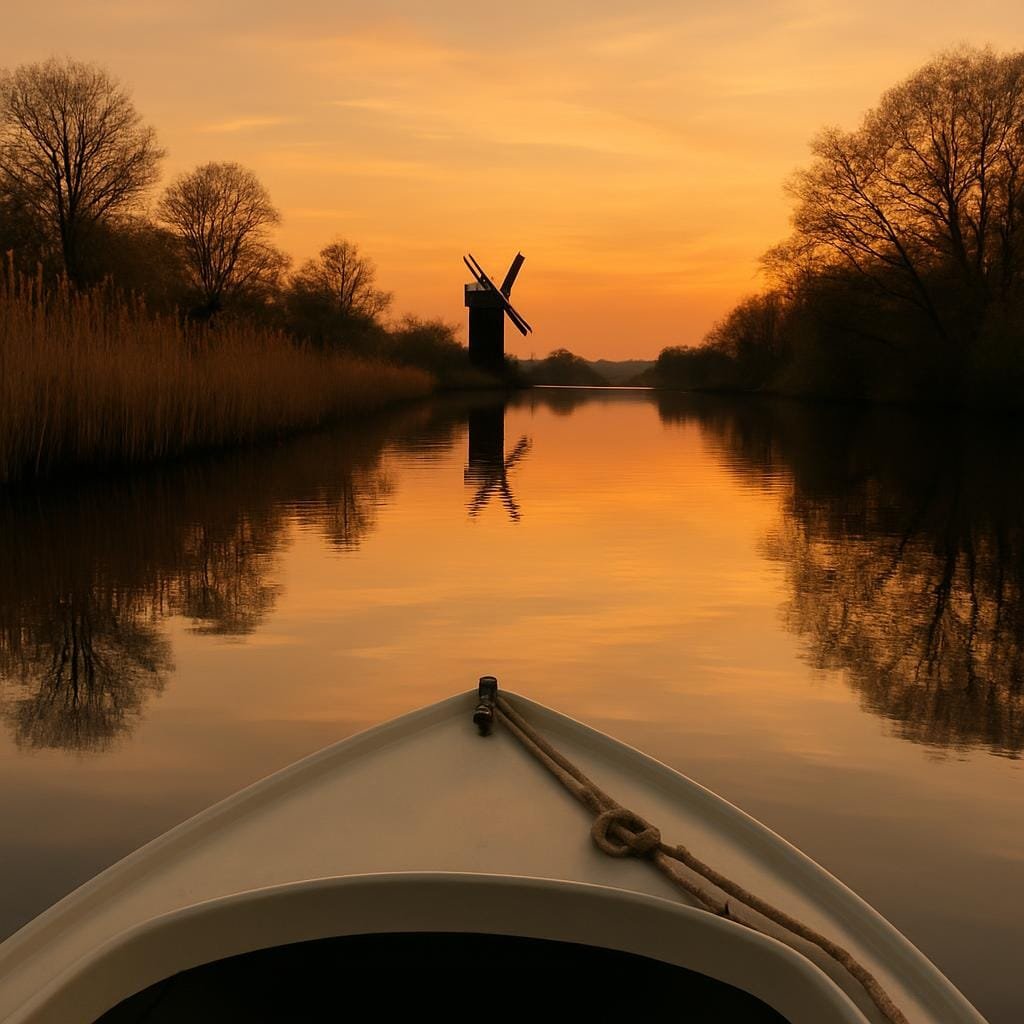
The Horsey Windpump, looked after by the National Trust, sits by the Mere. You can climb to the top on open days for around £7.50 and watch the sails creak above your head while boats chug along below. The tiny tearoom in the car park does simple food – toasties, soup, cake – and the staff are the sort who’ll ask about your walk rather than recite a script.
From the windpump there’s a circular walk across fields and along the edge of the Mere, but the real draw is the beach. Park at the separate Horsey Gap car park (around £3–£4, cash or app), climb over the dunes and you’re on a wide, sandy stretch that, for much of the year, is empty enough that you can hear your own thoughts.
In late autumn and winter, the grey seals haul out here to pup. The first time I saw it, I was genuinely stunned – hundreds of huge, blubbery bodies on the sand, tiny white pups squeaking, volunteers in hi-vis asking you (kindly but firmly) to stay behind the roped areas. It’s impressive, but it’s also slightly pungent; the combination of seawater, seals and the odd dead fish is… memorable.
Worth knowing before you go:
Stiffkey (pronounced “Stew-key”, for reasons I’ve given up questioning) is one of those places where the village is on one side of the road and the reason you came is on the other. The village is pretty enough, with a green and a small shop, but the action is down by the marsh.
The Stiffkey Saltmarshes, managed by the National Trust, stretch out between the coast road and the sea proper. There’s a rough lay-by that passes for a car park (free, but fills quickly on sunny days) and a footpath heading out towards the creeks. It’s wild, slightly chaotic terrain – sand, mud, tufts of grass, sudden channels of water that appear from nowhere.
On a high tide it can feel like the whole area is slowly sinking, water sliding in from more directions than you thought possible. I’ve watched more confident walkers power ahead in trail shoes, only to see them later, perched on a higher bit of sand, realising they’ve accidentally created their own tiny island. Thoroughly Norfolk slow travel again: you learn to check tide times, accept a bit of faff, and walk without rushing.
Back on safer ground, The Stiffkey Red Lion is one of my favourite pubs on this stretch. Big beer garden, local ales (around £5.50 a pint) and food that’s honest rather than fancy – think steaks, decent veggie options, seasonal specials hovering around the £18 mark. Inside it still feels like a village pub rather than an interior design project, which is rarer than you’d think these days.
Worth knowing before you go:
If you string these places together, you end up with a sort of DIY Norfolk slow travel route. You could, in theory, blast through them in a single busy weekend, ticking things off a list. I’ve done the rushed version before in other parts of the country – I once tried to “do” the entire North York Moors in two days and spent Saturday evening eating service-station crisps in a lay-by, so I wouldn’t recommend it.
Norfolk doesn’t reward rushing. The distances look small on the map, but the roads are single carriageway, the tractors are unhurried and half the joy is in the dawdling – the random stop at a church with an open door, the ten minutes at a lay-by just to watch the light shifting on a field, the unplanned pint when you realise the bus isn’t for another hour.
If you’re coming from the city, the temptation is to cram. But there’s something very grounding about picking one tiny coastal village and properly letting it get under your skin: walking the same path to the beach at different times of day, learning the rhythm of the tides, recognising the same dog-walkers by day three. That, for me, is the appeal of Norfolk slow travel – the sense that you’ve lived somewhere, however briefly, instead of merely passed through.
Anyway, that’s enough philosophy. Pack a windproof, some coins for honesty boxes, and a sense of humour for the parking machines. The big skies will take care of the rest.