Bank holidays creep up on you. One minute you’re idly promising yourself you’ll “do something” this time; the next, it’s Friday lunchtime, you’re still at your desk, and every cottage within a 100‑mile radius that takes dogs and doesn’t smell weird is booked. So I’ve started thinking of British bank holiday weekend ideas in three broad types — and planning each one properly.
For me, the three big categories are:
I’ve messed up versions of all three. I’ve also had the occasional, smugly successful one where I actually checked train times before booking a B&B. Here’s how I’d plan each sort of weekend now, with a few specific places that have treated me reasonably well — and a couple that haven’t.
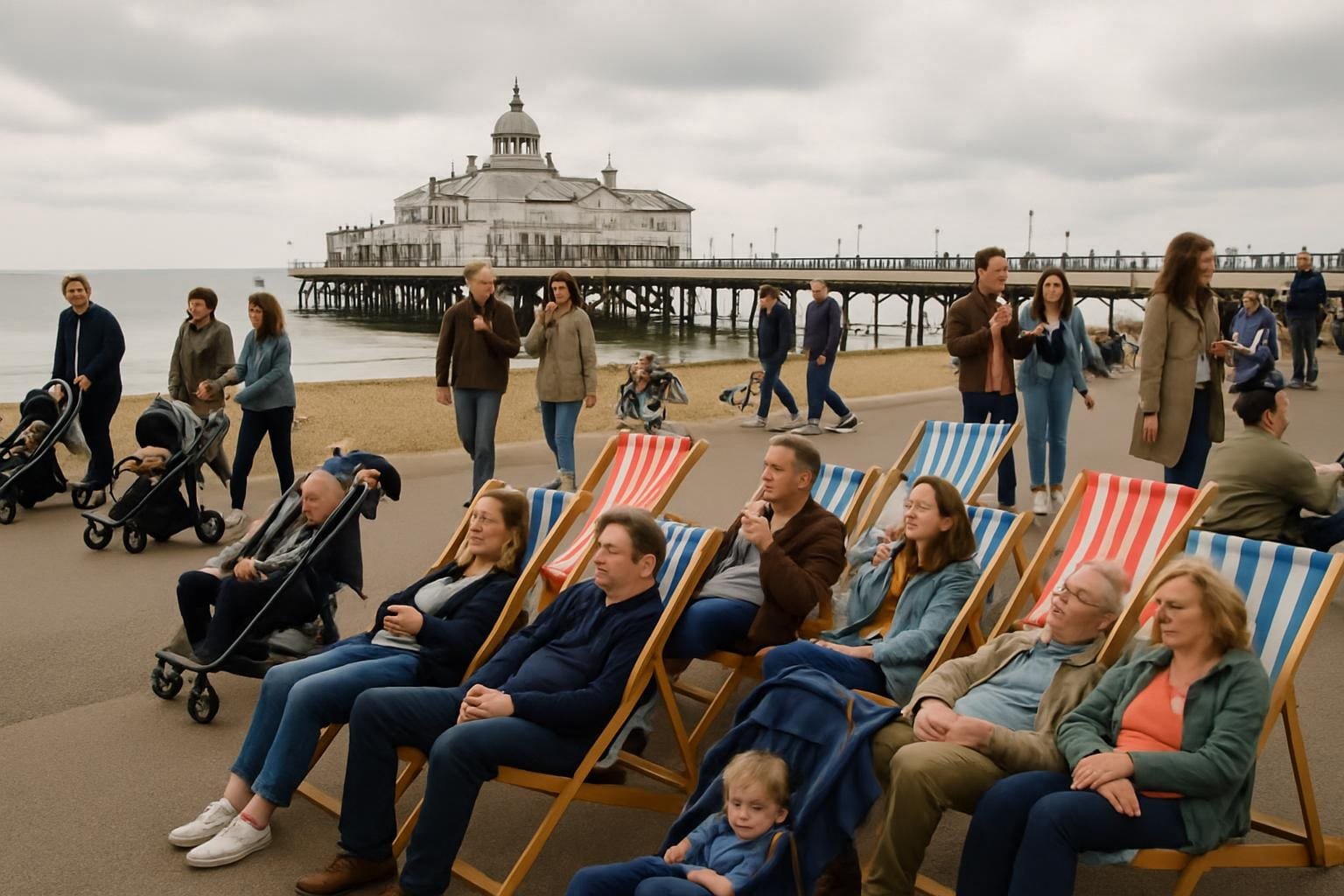
When people think of British bank holiday weekend ideas, the seaside is usually first. Buckets, sand, fish and chips, traffic jams, someone in the group getting sunburnt in 14°C. The lot.
The bit of coast I keep going back to is Northumberland, around Bamburgh and Seahouses. It has proper “wow” moments, but with fewer stag dos than the more obvious choices.
Base yourself in or around Seahouses if you want pubs and boat trips, or Bamburgh if you like staring moodily at castles. I once tried to “save money” by staying inland in Belford; all I saved was time spent near the sea.
On a bank holiday, this is roughly how it plays out:
Grab something from The Potted Lobster if you can get a table (book a few days ahead for a bank holiday; walk-ins are a sport for optimists). The crab linguine is worth the faff. Then wander down to Bamburgh beach and let the wind sandblast your soul clean. There’s a little car park by the golf course — it’s pay and display, around £3–£4 for a couple of hours — that often has spaces after 4pm when the day-trippers give up.
Back in Seahouses, the queue outside Neptune Fish Restaurant looks silly until you accept you’re part of the problem and join it. Cod and chips is around £9–£10, portions are large, and there’s a slightly chaotic system of shouting numbers that feels very bank holiday. If the weather turns, duck into The Schooner Inn on the main street. It’s the sort of pub where the carpet has seen things and you feel oddly reassured by that.
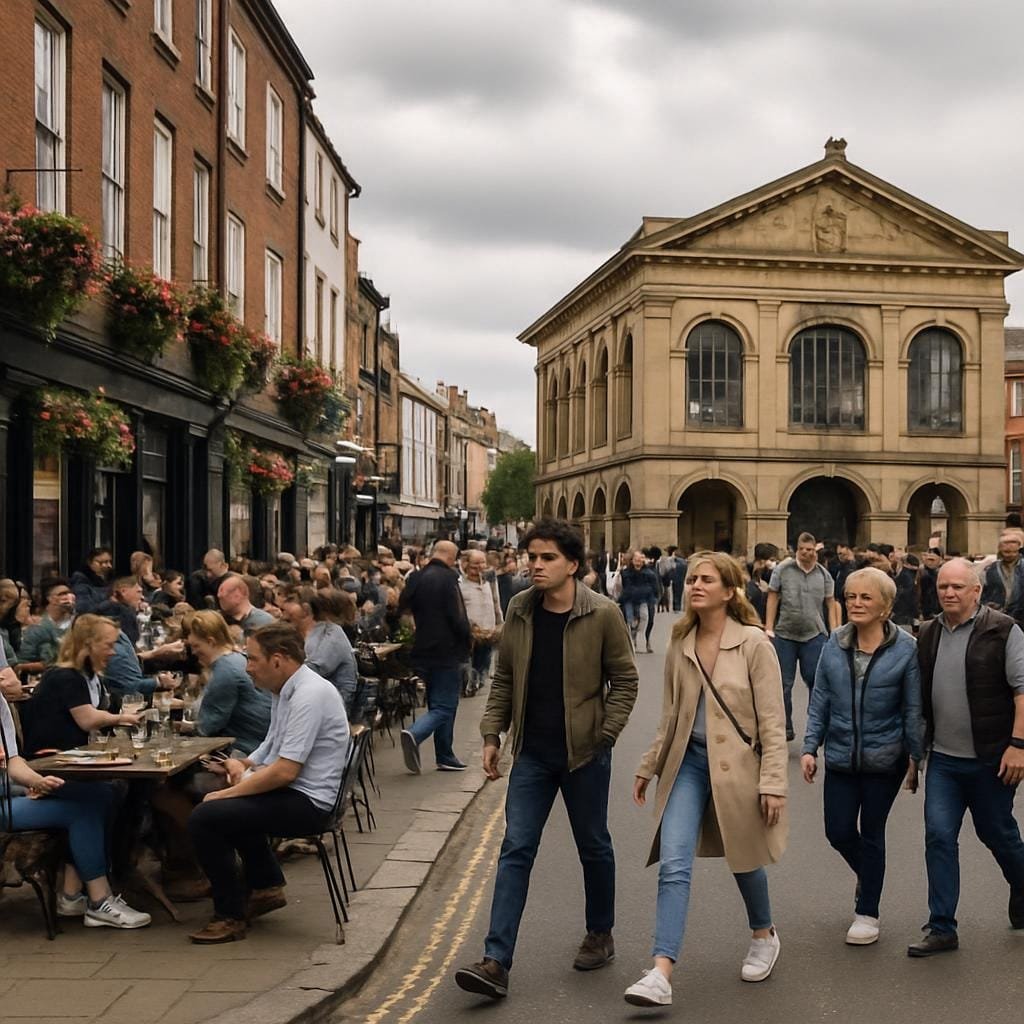
The second kind of bank holiday weekend is the one where you decide the car can stay at home, partly for the planet and partly because you can’t face another service station Burger King. City breaks are ideal for that. Out of all my British bank holiday weekend ideas, Liverpool has been one of the easiest to pull off without a car.
Liverpool has that mix of culture, football, and people-watching that keeps everyone happy. The first time I went, I was mainly interested in the docks and the Beatles stuff. Last time, I realised I actually preferred the smaller bits — the markets, the odd corners, the pubs tucked away on back streets.
Base yourself somewhere walkable from Lime Street Station. I’ve stayed at the INNSiDE Liverpool on Old Hall Street and also above a pub once (wouldn’t recommend if you value sleep). Somewhere central makes all the difference when you’re trudging home after a long day.
Saturday – Waterfront and museums
Walk down from Lime Street through the city centre to the Albert Dock. You’ll pass the odd bit of street art and at least three people carrying cardboard trays of Greggs. At the dock itself, Museum of Liverpool is free entry and quite well done — good for understanding the port’s history, not just the tourist gloss.
If you do want the obvious stuff, The Beatles Story is also at the Albert Dock. Adult tickets are around £19. Important to be honest here: it’s well presented but quite busy on bank holidays, and you move in a slow, slightly shuffling line. Worth it if you’re a fan; if not, I’d skip it and head to the Tate Liverpool instead (free, with occasional paid exhibitions).
For food, I really like Maray on the Albert Dock – Middle Eastern-ish small plates, decent veggie options, and their cauliflower dish is the sort of thing people argue about in a good way. Expect to spend £25–£35 a head including a drink.
Sunday – Football, Baltic Triangle, and things with character
If it’s a match weekend and you’ve managed to get tickets for Anfield or Goodison, your Sunday is already sorted (and your wallet lightened). If not, head for the Baltic Triangle. The old warehouses around Jamaica Street are full of bars, food places and bits of public art.
Baltic Market is an indoor street food market inside the old Cains Brewery. Lots of options under one big roof, which is handy when the weather does its thing. You could easily spend an afternoon trying to decide between pizza and bao buns and then getting both anyway. Expect £8–£12 a dish; drinks extra.
On the way back, I like to pop into The Philharmonic Dining Rooms up near Hope Street. It’s a Victorian pub with famously ornate gents’ toilets (women are often given a supervised look round, which is one of those very British “of course this is normal” situations). Even if toilets don’t feature strongly in your British bank holiday weekend ideas, the carved wood, tiled floors and generally over-the-top decor make a decent finale to the day.
Monday – The bit you nearly skipped
Bank holiday Mondays have a slightly hungover feel in cities. I’d use it for something calmer: either a wander through Walker Art Gallery (free, and stronger on sculpture and old masters than you might expect) or a walk along Hope Street between the two cathedrals. The contrast between the red-brick Anglican cathedral at one end and the space-age Metropolitan Cathedral at the other is worth the legwork.
Grab coffee at Cooper Coffee on Brewery Tap’s side of town or at Root Coffee nearer the centre. Both are small, serious about beans and blessedly free of inspirational quotes on the walls.
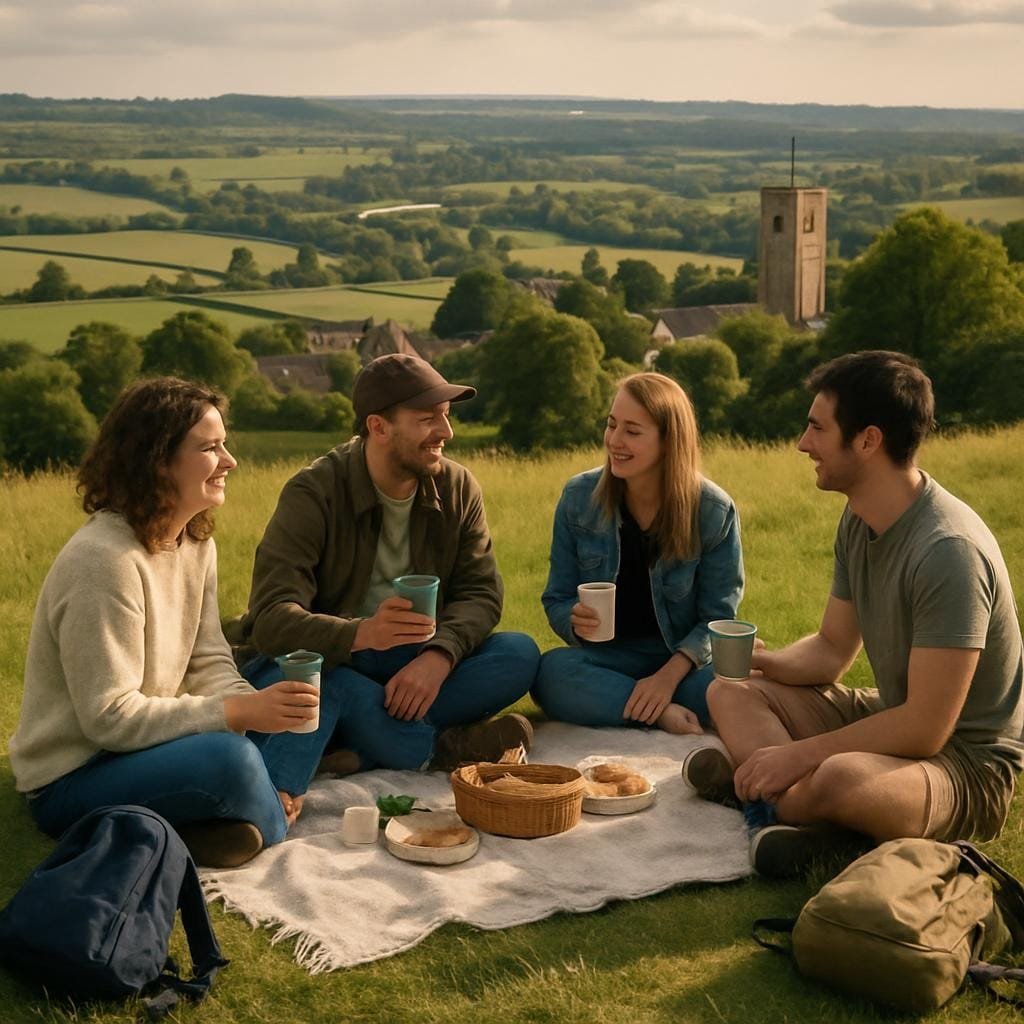
The third type of bank holiday weekend is my current favourite: you stay put in a small town with enough going on that you can walk everywhere, but not so much that you feel guilty for missing things. You unpack once. You stop checking Google Maps every ten minutes. You accidentally get to know the person in the bakery.
Ludlow, in south Shropshire, is my go-to for this kind of trip. I grew up not too far away and, like most people, completely took it for granted until I came back as a so-called adult and realised “oh, this is actually pretty good”.
Ludlow’s an old market town on a hill, with a castle, a bunch of food‑obsessed businesses and more half‑timbered buildings than seems structurally wise. The streets off the main square are quietly lovely in that slightly faded way.
Friday evening – Arrive and orientate
If you’re staying in the centre, you’ll likely end up somewhere near the Buttercross (the town’s raised, columned market building) or Broad Street. I’ve stayed in a small self-catering place above a shop and in the Feathers Hotel, which is the big black‑and‑white one you’ve probably seen on postcards. Just know that old buildings plus bank holidays can mean noise; pack earplugs and pretend you’re camping in Tudor times.
For your first meal, I’d walk to The Church Inn near St Laurence’s Church – it’s got proper pub character, local ales (try something from Ludlow Brewing Company) and a small but reliable menu. Mains hover around £14–£18. There are tables out the front for people‑watching, and if you’re lucky you’ll get the mildly chaotic bell‑ringers practising in the background.
Saturday – Market, castle, repeat
Saturday is market day on Castle Square. Bank holiday markets can sprawl a bit further, with extra stalls selling everything from local salami to slightly dubious “artisan” fudge. Wander, snack, pretend you’re the sort of person who always buys unpasteurised cheese.
Ludlow Castle is directly off the square. Adult tickets are about £9.50, and you can climb a couple of the towers for views over the River Teme and the green bowl of countryside around it. The castle is mostly roofless, which makes it good in decent weather and slightly grim in persistent drizzle. There’s a small café inside, but I’d save your appetite.
For lunch, Aragons on the square does solid sandwiches and cakes, nothing fancy, exactly what you want after clambering up stone steps. Or you can walk a few minutes to CSONS at the Green Café down by Dinham Bridge. It’s perched by the river, with a little weir just upstream and ducks doing their eternal patrol. Food is seasonal, quite imaginative without being theatrical, and usually around £14–£18 for a main. Bank holiday lunchtimes book up; worth reserving a table.
Walk off lunch with a loop down across Dinham Bridge, along the riverside path and back up via Whitcliffe Common. There’s a bench on the common with a view across to the castle that feels made for quietly judging other people’s walking shoes.
Sunday – Pubs, brewing and small rituals
Sunday can be as low‑effort as you like. If you’re into beer, head to Ludlow Brewing Company, about 10–15 minutes’ walk from the centre, near the station. It’s in an old railway shed with the original canopy still in place, and you can sit outside under it with a pint even if the rain is doing its sideways thing. Brewery tours run on some weekends for around £12, including tastings. Check ahead; bank holidays can sell out.
Back in town, I like a slow wander up and down Corve Street and Broad Street, peering into antique shops and weighing up how much I actually need another piece of 1970s Pyrex. Stop at The Buttery Café by the Buttercross for coffee and cake – the lemon drizzle here has sabotaged more of my good intentions than I care to admit.
Dinner could be at The Clive Arms a short drive or taxi ride away at Bromfield, attached to the Ludlow Farmshop. The food leans local and seasonal (yes, everyone says that; here it’s actually true). You’ll pay £20–£25 for a main, but the quality is reliably high. Or stay in town and grab something simpler at The Bull Hotel, which still feels like a proper local.
Monday – Last lap
On Monday, resist the urge to squeeze in “one more big thing”. Instead, nip into Harp Lane Deli on Market Street for pastries and something for the train or car. The little window with bread and cheese stacked up is my downfall every time. Then do a final lap of the square and call it done.
I’ve come to think of British bank holiday weekend ideas as less about the exact destination and more about the basic shape of the days. Do you want:
The trick, I’ve learned the hard way, is not to try and cram all three types into one weekend. I once planned a trip that involved a Friday night in a city, Saturday on the coast, Sunday in a small town and a very long Monday drive home. It sounded clever on paper and felt like a very slow‑motion mistake by Sunday evening.
So pick your type, commit, and plan just enough: trains or main driving route, one or two timed things (like a boat trip or castle visit), and somewhere you genuinely want to eat at least once. Then leave some slack. The best bits of my bank holidays have rarely been the big ticket items; it’s been things like an unplanned pint in an almost empty pub, the view from a bench I’d never have found on a strict itinerary, or a piece of cake that ruined lunch but made the day.
And if all else fails, there’s always the next bank holiday.