
If you take nothing else from this very unofficial UK seasons travel guide, take this: our weather is not a backdrop, it’s the main act. You don’t “get lucky” with sunshine here; you learn to work with the drizzle, the sideways rain, the grey that hangs around like a relative who won’t take a hint – and every so often, you get a day so clear and bright you forgive Britain everything.
I grew up in Shropshire, so I learned early that planning a UK trip by month alone is a fool’s game. You plan by mood and by season. The same place can feel like three completely different destinations depending on the sky and the temperature. This is how I think about it when I’m plotting where to go and when.
The first time I went walking around Buttermere in spring, I wore shorts because it was “lovely” when I left the car. By the time I got to the far side of the lake, I looked like an advert for poorly made waterproofs and regrettable optimism.
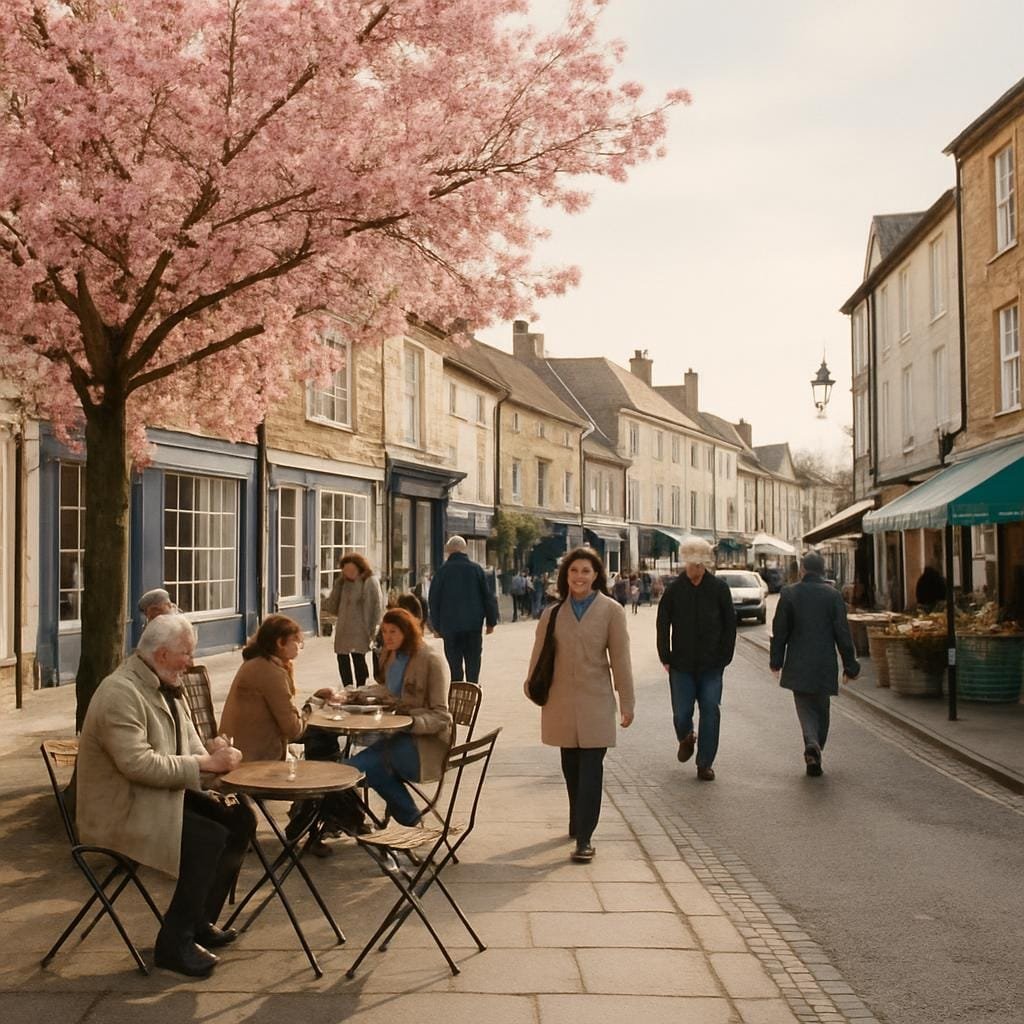
Buttermere in April is a classic UK seasons travel guide example. The valley is still waking up: the trees around the shore path are just beginning to green, Fleetwith Pike still has a dusting of snow, and the air smells of wet sheep and diesel from the Honister slate mine buses grumbling over the pass.
You can loop the lake in a couple of hours, even at dawdling pace. The path squeezes past the whitewashed wall of the Bridge Hotel, where a pint in the back garden feels earned even if your “walk” was basically a gentle amble. Last time I was there, a pint of local bitter cost just under £6 and tasted mostly of relief. Across the road, the Syke Farm tearoom sells ice cream made from their own herd – the salted caramel is good enough to ignore the wind cutting straight through you.
Spring up there is unreliable. One year we got caught in a hailstorm so sudden everyone just burst out laughing because there was nothing else to do. Then twenty minutes later the clouds drifted off, the water went mirror-flat, and half the walkers started frantically taking photos like they were being timed.
Spring in the Lakes teaches you layering, patience and humility. It’s rarely “perfect”, but when the light hits the wet stone and the fells steam gently in the weak sun, you get why people keep coming back.
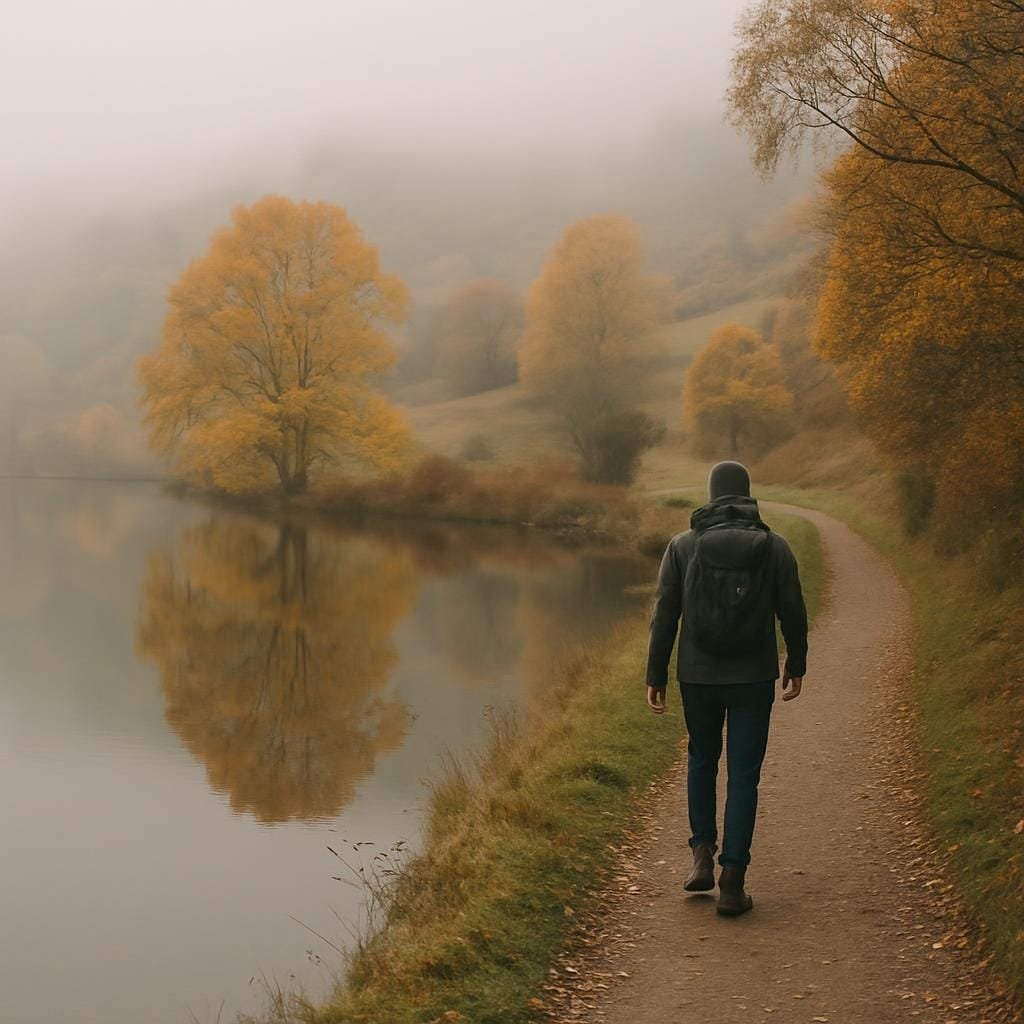
The UK in summer is everyone pretending we live in the Mediterranean for about two weeks, then quietly giving up. One place that does summer properly, in its own scruffy way, is the run of coast between Wells-next-the-Sea and Holkham in Norfolk.
On a bright July day, the beach at Holkham looks like it belongs on some glossy poster: vast flat sand, pine woods at your back, horse riders trotting across the low tide, the whole lot opening out in a way that makes you realise how cramped your normal life is. Then a dog steals your sandwich and you’re firmly back in Britain.
From Wells, you can walk along the raised path by the harbour, past the Quayside chippy (chips about £4, mushy peas a moral obligation) and over towards the famous beach huts. The little train from town to the harbour costs a couple of quid and is unapologetically for kids and tired legs. If you keep going into the pines at Holkham, there’s usually a breeze that smells of warm resin and salt, and the occasional waft of someone overdoing it on disposable BBQ lighter fluid.
Here’s the thing though: summer there is rarely straightforwardly hot. You can lie on the sand in a T-shirt at 1pm and need a fleece by 4pm when the wind picks up. I’ve seen more than one optimistic bloke in swim shorts trudging back to the car with a towel wrapped round them like a survival blanket.
As a summer chapter in any sensible UK seasons travel guide, North Norfolk is classic: big skies, big beaches, big potential for sunburn on one ear only.
Autumn is my favourite UK season for travel, largely because expectations are already low. You pack for damp and are pleasantly surprised when you can feel your fingers. The Peak District does this season beautifully – in a slightly drab, brown-fern sort of way.
The stretch between Hope and Edale, over Mam Tor, is a good example. The “Great Ridge” walk is popular for good reason: paved path, huge views down over the Hope Valley, and a trig point that’s in about three thousand Instagram posts a week. But do it in late October and you’ll usually have long stretches in peace, with only the odd fell runner thudding past and making you feel like perhaps you could have skipped the second bacon sandwich.
I once set off from the National Trust car park at Mam Tor in bright-ish conditions and ended up walking most of the ridge inside a cloud. Visibility went down to about 20 metres. Instead of big views, I got sheep appearing out of the mist like judgmental ghosts and that weird muffled sound you get on hilltops when the weather closes in. Memorable, in its own sideways way.
Back down in Castleton, the Bull’s Head serves a steak and ale pie that tastes even better when you’re still vaguely damp. Expect about £15–£17 for a main. If you’re feeling touristy, the Speedwell Cavern boat trip underground is about £16 for adults, and it’s cool and drippy in there all year round, so at least the weather is consistent for once.
Autumn in the Peaks is also when you realise waterproof trousers are not overkill. They are dignity, in garment form.
Winter is when you find out if you genuinely like a place or just the idea of it on a sunny day. St Davids and the surrounding bit of Pembrokeshire pass that test easily for me. I went back one January after first visiting in high season; the difference was like switching from a crowded bar to last orders in a village pub.
The Pembrokeshire Coast Path from Whitesands Bay out towards St Davids Head in winter feels wild in a way you don’t really get in summer. The sea is darker, the wind has teeth, and you will spend a decent amount of time yanking your hat back down over your ears. On the plus side, you can usually see porpoises off the headland if the sea isn’t too rough, little black fins slicing through the chop.
Back in St Davids itself (smallest city in Britain, big on coach parties in summer), January is sleepy. The cathedral is open and free to enter, though a donation of a few quid is gently encouraged. Duck inside and the temperature drops a couple of notches, the stone walls holding cold like a grudge. It’s glorious. If you’re there around Epiphany, you might catch one of the choral services when the place feels like it was built for exactly that sound.
Food-wise, winter cut my options down but improved my experiences. The Bishops pub on the square does a decent fish and chips, around £15, and the fire actually works, which you can’t take for granted. On one particularly horizontal-rain day, I ate chips from St Davids Chippy (large cod and chips around £10) in the car, watching waves blow backwards. Not glamorous, but oddly satisfying.
Winter travel in the UK teaches you two things: how to accept short days, and how good a hot pasty can be when your hands have gone slightly numb.
Let’s be honest: any UK seasons travel guide has to talk about rain. Manchester is the cliché, but it’s a useful one because if you can enjoy a city in the wet, you’ll enjoy it anytime.
I’ve lost count of how many drizzly afternoons I’ve spent wandering between Piccadilly and Deansgate, dodging puddles and badly held umbrellas. The trick is to string together indoor stops that are close enough you don’t get fully soaked in between.
Start at the Science and Industry Museum (free entry, booking sometimes recommended). One hall still smells faintly of oil and hot metal from the working machinery demonstrations. When they fire up the steam engines, you realise how loud industry actually was; it’s a far cry from clicking “buy now” in your slippers.
From there, wander up to the John Rylands Library on Deansgate. It looks like a small cathedral for books and, handily, is one of the few buildings where rainy weather makes it feel even more atmospheric. It’s free, and if you’re unlucky enough to coincide with a school visit, just orbit them and find a quiet alcove.
For food, I usually end up at Bundobust near Piccadilly Gardens. It’s vegetarian Indian street food and craft beer in a room that smells of fried okra and cumin in the best possible way. Expect to spend around £15–£20 a head for a few dishes to share. If that’s not your thing, the Arndale Market food hall is a slightly chaotic but very honest slice of Manchester life: Colombian arepas, Chinese noodles, vegan cake, the lot, all under one leaky roof.
Rainy cities reward curiosity. You stop loitering in parks and start noticing tiled entrances, market canteens, odd little bookshops that only exist because people need somewhere dry to stand.
One thing I’ve learned, from years of darting around for work and for my own sanity, is that in the UK you can’t separate the place from the weather. That’s the whole point of this slightly rambling UK seasons travel guide idea in my head: the “right” season for a place is rarely what brochures say.
Snowdonia under blue skies is wonderful, of course. But some of my strongest memories are of low cloud around Cwm Idwal, when the cliffs of the Devil’s Kitchen loomed in and out of the mist like something out of a Victorian painting. I once did the coastal walk from Robin Hood’s Bay to Whitby with driving rain needling my face; the reward was hot tea and too much cake at Sanders Yard café, thawing out among equally soggy walkers. Less “perfect day out”, more “shared endurance event with excellent flapjack.”
I’ll be honest: I’ve also got it wrong. I tried Dartmoor in high summer once, without a hat, on a day when the sun bounced off the pale grass like a conspiracy. The ponies looked unimpressed, and so did my peeling nose. This next bit of advice is based on finally getting it right on a later trip: late September was far better – softer light, fewer crowds on Haytor, and a breeze that didn’t feel like opening the oven door.
You don’t need to turn into a meteorologist to make sense of UK weather, but thinking in seasons helps.
Weather apps are fine for a rough sense of what’s coming, but the real planning tool is your own tolerance. Hate wind? Avoid the east coast in March. Love big angry seas? Go straight there. Don’t like the dark? Maybe don’t plan your big Scottish Highland adventure for mid-January unless you’re very fond of headtorches and early nights.
In the end, the trick with UK weather is to treat it like another person on the trip: occasionally brilliant, sometimes sulky, often unpredictable, but part of the story. Pack layers, lower your standards for “good conditions”, and you’ll come home with better tales than “it was sunny and I lay by a pool for a week”. Plus, you’ll have earned your chips, which, let’s be honest, is half the point of going anywhere.