
Picture this: you’re standing outside Buckingham Palace, the iconic guards in their tall bearskin hats parade before you. Their precision is uncanny, and you’re half-convinced they’re robots. But oh no, they’re very much human—besides a few awkward movements, that is! This setting is a window into the rich history of the British Armed Forces. So, let’s take a stroll through time, shall we?
Imagine being in the throes of the early 18th century. The air is thick with the smell of gunpowder and horse dung. Sounds romantic, doesn’t it? Well, maybe not, but that’s the vibe! The British Army was still finding its legs, and the Royal Guard had just the right flair.
The tradition of the Queen’s Guard started way back when King Charles II thought that having an extravagant show of strength might be a good idea for the monarchy. And let me tell you—when you see these lads standing stoic in their uniforms, you get the sense they really mean business. I went once, got up way too early to snag a view, and as I watched this spectacle, I almost tripped over my own feet. My friend, however, was glued to her camera, snapping away as if she was auditioning for National Geographic. Oh, the memories!
Now, let’s talk attire. Ever wondered why they wear those mad hats? The bearskin hats of the guards have a fascinating backstory. They originated during the Napoleonic Wars in the early 19th century. Apparently, the tall hats made the soldiers appear taller. It’s like a great optical illusion—a trick to intimidate the enemy. Clever, right? Today, they’re also symbols of pride, with each regiment sporting unique colours and insignia. I did get a cheeky snapshot with one of the guards once; the look on his face was priceless.
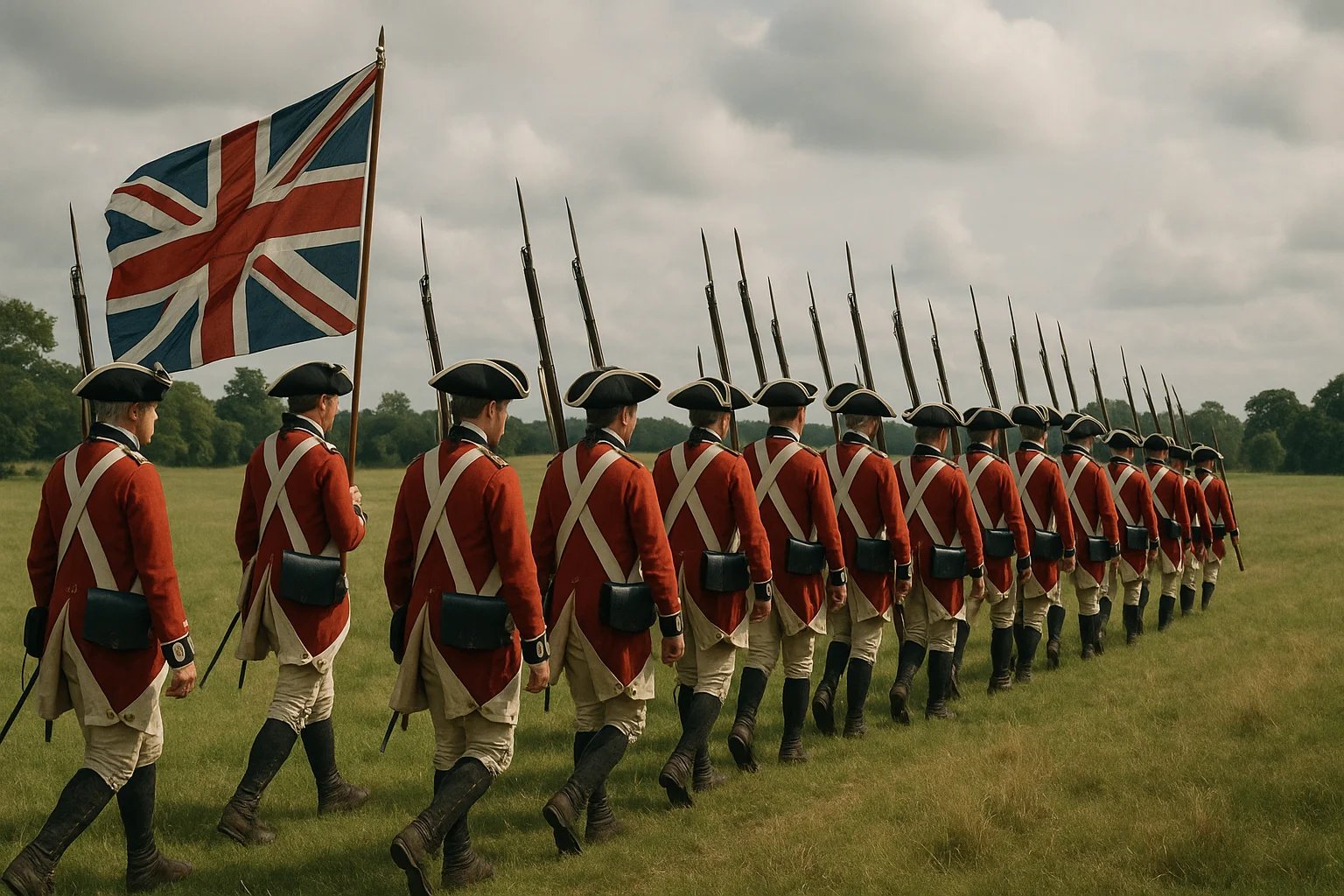
While you might think synchronised marching and the pomp of military parades are just another tourist trap, they actually have deep roots in discipline. During the 19th century, one of the most famous events, the “Trooping the Colour,” showcased soldiers presenting their regimental colours. It’s a symbolic gesture of loyalty that goes back to when colours were important for identifying units. I remember standing at Horse Guards Parade, my latte turning cold, while the Allied forces marched past in a beautiful train of colours. The music, the cadence—ah, it gives you shivers, and not just because I forgot a jacket!
Wait a minute! Marching, discipline, pageantry—it all sounds so military, right? But what about their more practical roles? Fast forward to the two World Wars—they completely transformed the British military. The role of women, too, evolved massively. The Auxiliary Territorial Service (ATS) grew, with women like the feisty Maud Fogg breaking barriers. I’m sure she’d be rolling her eyes at me sipping my overpriced coffee when she was dodging bombs!
It’s interesting how many places we can witness this transition. For instance, the Imperial War Museum in London (£5 for a cuppa, which tasted like it was brewed in the trenches) showcases personal stories of the soldiers and the wonderful women who supported them. It’s a reminder of how dramatically the armed forces have changed.
Fast forward to today. Some traditions might seem a tad outdated—after all, do we really need to maintain those fancy bear hats? Yet, they’re here to stay. Much like my jeans from college, they just won’t quit. The Changing of the Guard at Buckingham Palace is a sight that draws thousands, but have you ever considered seeing the Beating Retreat ceremony? It’s like a military karaoke night, but with drums and bugles instead of questionable pop songs. Honestly, it’s a hoot. The music brings me back every year, and I’m pretty sure I’ve got a playlist dedicated to it now—which might be a bit sad, but I swear it’s catchy!
Don’t let the guards fool ya; it’s not all glamour and glory. There’s a realm of hardship. The military often dives head-first into public service and crisis response. Think about recent times when the Armed Forces have helped with COVID-19 support, setting up Nightingale hospitals and ramping up NHS operations. Talk about honour!
It’s also worth noting local events that highlight the connection between civilians and the military. For instance, did you know that the Royal British Legion hosts numerous events across the UK? They’re dedicated to supporting veterans. I attended a local gala last year (my dance moves were questionable at best), and it was eye-opening to see the community coming together to support those who’ve served.
Wrapping this up, it’s been a fantastic chase through the whimsical traditions of the British Armed Forces. You’ve got the precision of the guards, the historical richness of military events, and the courageous spirit of servicemen and women both past and present. And as a tourist? It’s a package deal—a real slice of Britain you won’t find in a guidebook.
Next time you’re in London, don’t just snap a pic of the guards; think of the tales behind the uniforms and traditions. Go take a stroll past the Army Museum or explore the Cenotaph at Whitehall, where the nation remembers.
So, what about you, dear friend? Do you think you’d try taking a marching band class, or are you more the “let’s just grab a brownie” kind of person? Drop your thoughts below—I’d love to hear them!