
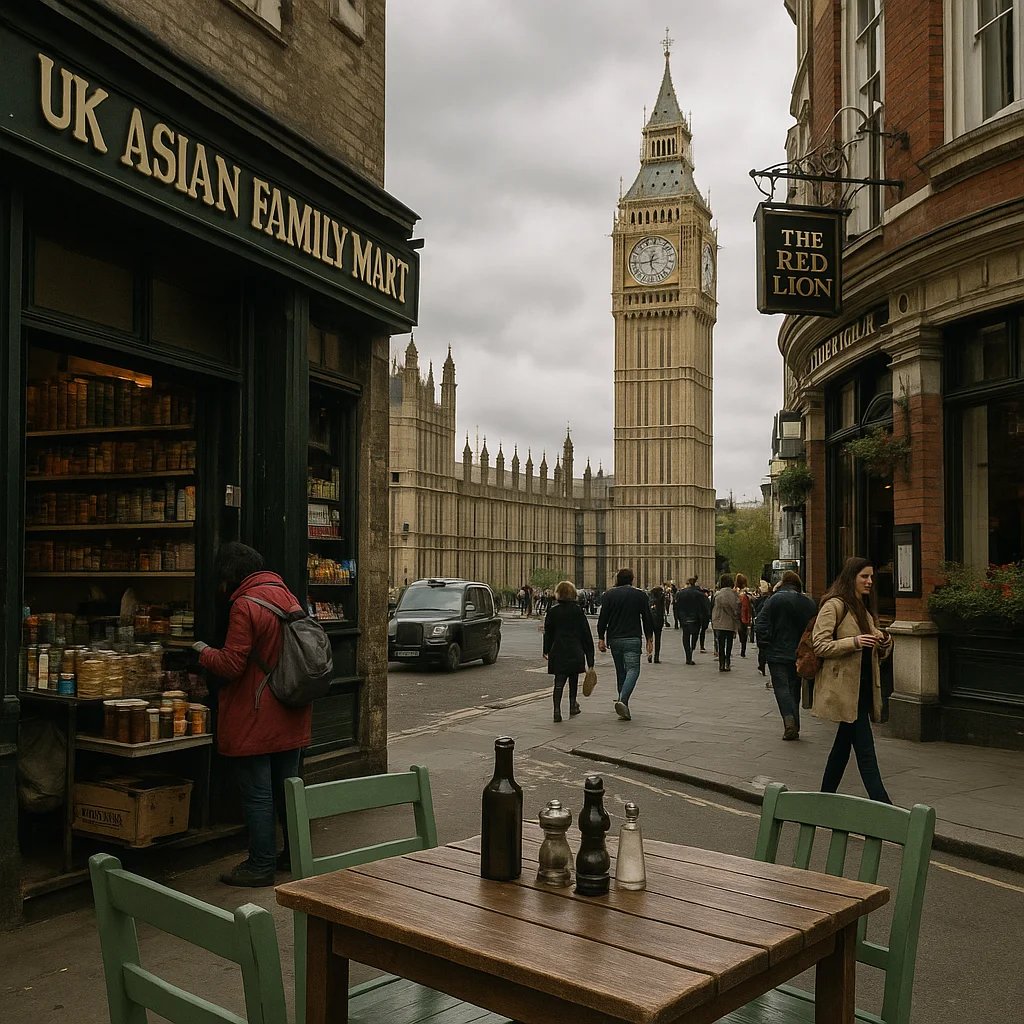
I remember sitting in a shadowy corner of a London pub, the unmistakable scent of malt lingering in the air, while I savoured a plate of tikka masala that had somehow taken on a life of its own. It was a dish infused not just with spices but with centuries of history—British colonialism’s far-reaching influence on global flavours. As I dipped my naan in the warm, spicy sauce, I thought of how each bite told a story; of trade routes and cultural exchanges that reshaped culinary landscapes worldwide.
When we talk about British colonialism, we often think of its political and economic ramifications. Yet, its culinary legacy might just be the most delicious aspect of all. Think about it: the British Empire at its height was an intricate web of trade connections that spanned continents. This led to an influx of spices from India, tea from China, coffee from the Caribbean, and even sugar from the West Indies. As I sipped on my Earl Grey tea at a local café, I couldn’t help but reflect on how this simple cup was an amalgamation of cultures—each sip a reminder of Britain’s historical reach.
At the famous Twinings’ shop on the Strand, I stumbled upon a charming fact: the company’s first customers included the likes of Queen Anne and Samuel Johnson, not forgetting the thousands of tea enthusiasts who later followed in their footsteps. Its iconic wooden cabinets filled with assorted teas transport you back in time, and, despite the modern hustle and bustle around it, you can almost hear the whispers of history. If you fancy a relaxed afternoon, this should definitely be on your list. The shop offers free tastings, and for £15, you can even attend a tea blending workshop. Who knew I’d learn to flavour my own brew? A small victory for my not-so-cheffy skills!
One cannot discuss British cuisine without mentioning curry, a staple thought to be emblematic of contemporary British fare. It’s astonishing to think that dishes such as chicken tikka masala were admittedly born in the UK, despite their Indian roots. I had my first taste at the legendary Dishoom in Covent Garden. The atmosphere teems with life, and the black daal is simply to die for (or, as I like to say, a risk worth taking). Just a heads-up to save some room for dessert— the pistachio kulfi is a joy!
Another surprising carryover from colonial times is the traditional English breakfast. This heart-stopping melange of bacon, eggs, beans, and toast boasts influences from the British Empire, particularly through its usage of spices and flavours acquired during colonial trade. When I ordered a full English at a cosy café in Brighton, I couldn’t help but think of how this meal manifestly embodies Britain’s culinary journey—and how it also managed to leave me feeling like I needed a nap straight after.
As my culinary explorations continued, I couldn’t help but marvel at the role of sugar in shaping both cuisine and geopolitics. Sugary treats like shortbread and scones may seem innocuous, but they have roots steeped in the slave trade and the agricultural systems that were developed during colonial rule. While biting into a buttery scone at The Savoy’s afternoon tea, I reflected on the paradox of delight and discomfort.
The luxurious experience comes with a five-star price tag (around £65 per person). However, if you want a taste of history without the hefty expense, you can always head over to a local bakery to grab some simpler biscuits. The elegance of history doesn’t always have to come with a silver spoon.
It’s not only the food directly tied to colonialism that tells a tale. Modern British cuisine is a melting pot of influences that span the globe. The vibrant street food scene in London is testament to this evolution. Borough Market is a must-visit, teeming with food stalls offering dishes that reflect the city’s diversity. From jerk chicken that wafts enticingly through the air to Lankan hoppers, it feels like a mini-culture caught right within the city. I chased a delicious sweet potato and coconut curry from a stall run by Sri Lankan locals, and I can safely say it was a cultural highlight—allowing my taste buds to bounce around in gladness!
It’s worth noting that prices at Borough Market can vary widely. While some meals can be had for about £5, others may demand £15 or more depending on the vendor and the lavishness of the dish. A great tip here: Visit on a weekday! The weekend crowds are often unmanageable, and the queues may test your patience.
As I made my way from one tasting to another, my culinary adventure took an unexpected turn at a Moroccan café in Camden. The couscous salad was light, zesty, and refreshing—a far cry from the heavy sauces I’d become accustomed to. Often overlooked, Moroccan-influenced cuisine speaks volumes about Britain’s cultural exchange and adaptability; sitting there, I realised how food allows for unexpected friendships, even as it brings together taste and history.
If you’re eager to embark on your own flavour adventure, here are a few practical tips:
As I reflect on British colonialism and how it shaped global flavours, I’m reminded that history is often complex, layered, and yes, delicious. Each meal carries the weight of ages, embodying stories of joy, struggle, and resilience. Whether indulging in a plate of fish and chips or a sumptuous curry, remember to consider where your food comes from—and enjoy every last bite.
So, there you have it. Savoring history isn’t just delicious; it’s a hearty pause for thought, tethering us to the past while we chew on the intricacies of our present.