
When most think of American independence, visions of brave patriots, tea-drenched harbours, and bell-tolling declarations spring to mind. Yet, to truly appreciate this significant chapter, you need to traverse the landscape from which it sprang: Britain. Recently, I set off to explore just how deep these revolutionary roots run, immersing myself in the history that shaped the United States. Spoiler alert: it wasn’t all cobblestone charm and knee-buckling history.
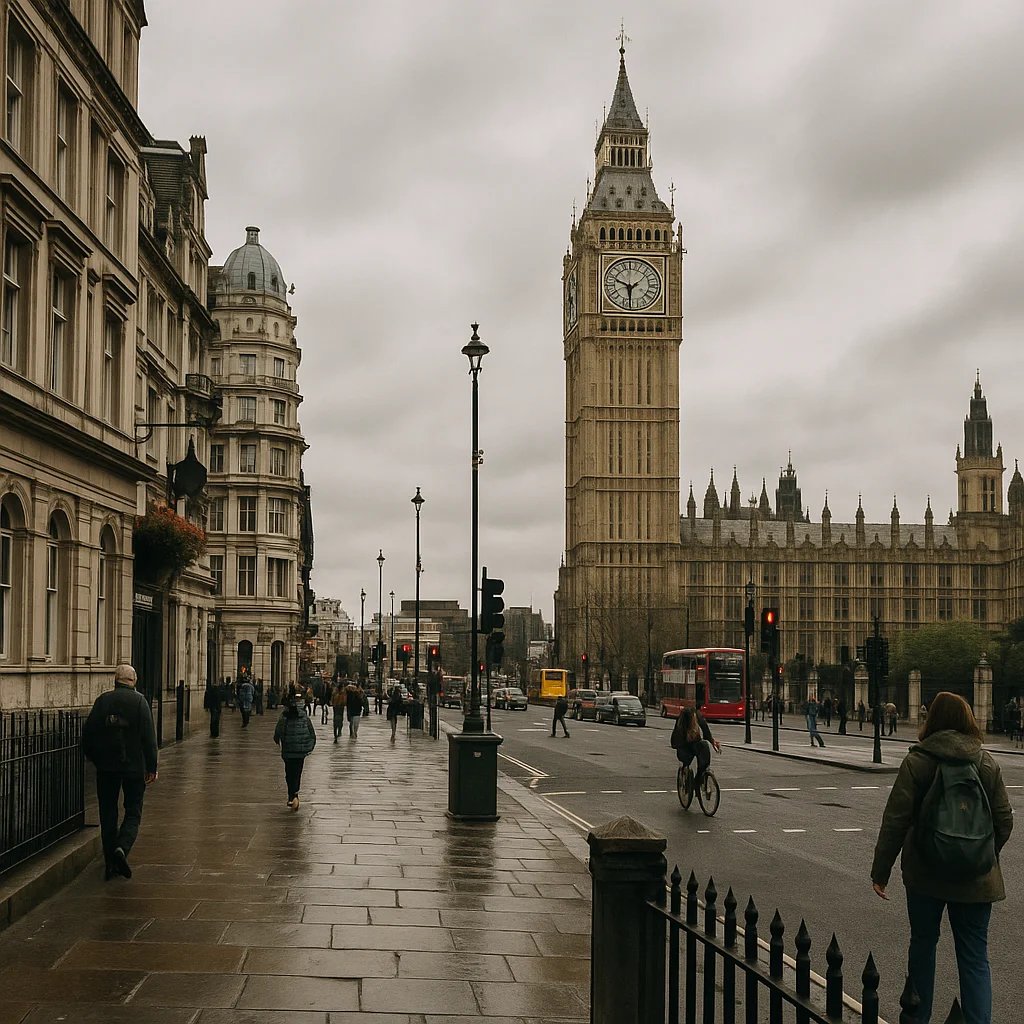
My adventure kicked off in London, a place where history seems to seep from the very walls. First stop? The British Library, housing countless documents that preview the fervent discussions on independence. Have a peek at the original manuscripts of the Declaration of Independence and the Articles of Confederation. Admission’s free, but don’t get too lost in the library—I could have spent days there, sipping tea and marveling at history. But alas, I had a train to catch.
Just around the corner is the British Museum, another essential stop on this odyssey. While you’re wandering through the halls, absorbing artifacts from all corners of the globe, don’t forget the Rosetta Stone—an inadvertent reminder of how communication can lead to monumental shifts in society. The museum is free, but I advise setting aside a donation as a thank you for a space that’s as enchanting as it is educational. Oh, and bring a light jacket; those marble halls can get a bit chilly!
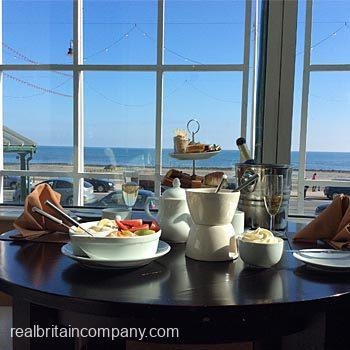
On my way out, I passed a charming little café called the Great Court Café in the British Museum. Their Earl Grey? Almost sacrilegious it’s so good. I grabbed a scone, opted for a cheeky jam variety, and savoured it while contemplating the irony of tea being such a catalyst for revolution. Who knew such a delicious brew could brew dissent?
Next, I hopped on a train to Bath, where you’ll find the famed Roman baths, quite a marvel of ancient engineering. But what’s the connection here? In the 18th century, Bath was a social hub where literature and politics collided. This cosmopolitan atmosphere nurtured many of the revolutionary ideals that would later flourish across the pond.
A lovely stroll along the Pulteney Bridge gives you insight into the world of the Regency era; it’s remarkably photogenic and offers a fascinating juxtaposition between old and new. While in Bath, don’t skip out on the Sally Lunn’s Historic Eating House. They serve delightful buns; it was there that I was truly tempted to purchase one of everything to take home (but I exercised restraint).
York is a gem where the medieval and modern coalesce beautifully. It also played a remarkable role during the American Revolutionary period as British troops were recalled from here to the colonies. The very walls of York know of the great debates and decisions that preceded independence.
I ducked into The Earl’s Court, an unassuming pub serving mouthwatering fish and chips. A few locals argued over the football match playing on the telly—nothing like a raucous debate to remind you that even in the past, people didn’t take their disagreements lightly.
The Jorvik Viking Centre here offers an insight into the town’s history before it became the departure point for many revolutionary soldiers. It’s a bit kitschy, but I have a soft spot for any place that embraces a themed ride through history, even if it did seem like a misguided Disneyland visit gone wrong.
Did you ever think the Romans were the height of civilisation until you read a sign stating, “No pigeons allowed?” It certainly gives a different context to historical grandeur.
Edinburgh’s atmospheric cobblestones felt electric with revolutionary energy. The city was a centre for Enlightenment thought, giving birth to ideas of liberty and self-governance that would resonate across the Atlantic. As I climbed Arthur’s Seat for panoramic views, I couldn’t help but wonder how many great thinkers have stood in that very spot, contemplating freedom, democracy, and the pesky taxation without representation.
The National Museum of Scotland is a treasure trove not only of Scottish history but also of insights into the American Revolution. Admission is free here, too (cheers to that!). Don’t skip the section on artefacts related to the American War of Independence—it’s riveting.
As my exploration came to a close, my thoughts turned to Boston, a place that’s practically a shrine to American independence. Surprisingly, you can trace much of the revolutionary fervour directly back to the discontent seeded in Britain. Still, that’s a tale for another time.
While I found myself back in Britain to explore the roots of this great fight for independence, Boston beckoned on the horizon—next time, perhaps? I felt like an innocent protagonist discovering a long-lost family tree. Each place visited revealed another layer of history, each detail adding weight to my understanding of independence.
With a penchant for the odd tea break and some history lessons layered like a good Yorkshire pudding, this exploration was less about destination and more about understanding the ancient conversations that shaped the modern world. Engaging with Britain’s revolutionary roots proved unexpectedly delightful, and let’s be honest, far more nuanced than any history book may illustrate.
So, if you ever find yourself wading through the echoes of the past over tea and crumpets, just remember: independence isn’t only about the colonies—it’s a lesson in context, conversation, and quite a lot of history worth retracing.