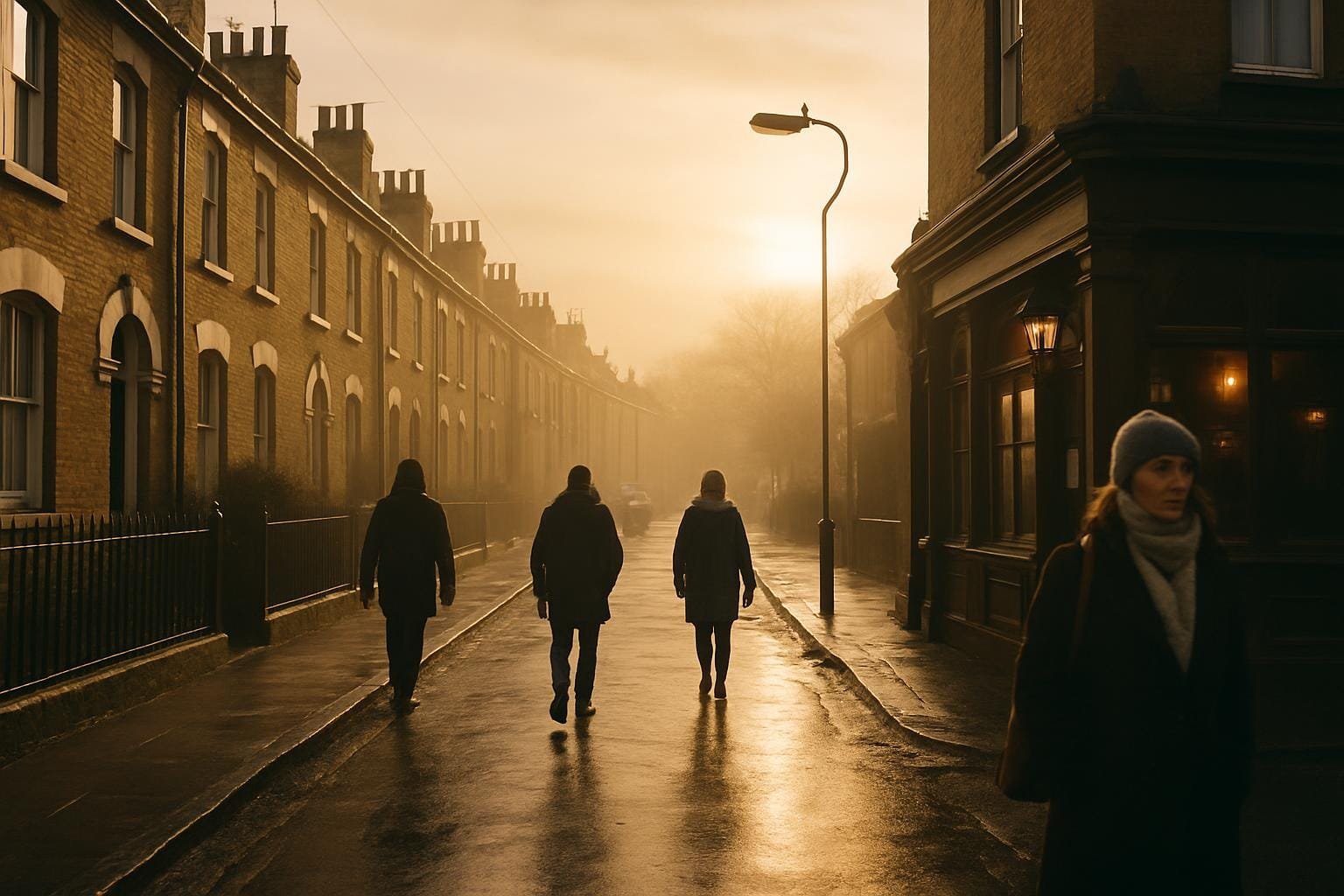
If you’re thinking about visiting the UK in winter, you’ll probably be told to pack a waterproof, brace yourself for limited daylight and maybe lower your expectations. Fair enough. The light goes grey by mid-afternoon, the drizzle can feel personal, and the ice on the pavements develops its own personality. But those cold months, from late November through to early March, are when the country relaxes its shoulders a bit. The coach tours thin out, the streets quieten, and you start to see how people actually live.
I grew up in Shropshire and now live over the border in Herefordshire, and I tend to do my roaming in the off-season. Partly because I’m allergic to queues, partly because a half-empty pub in February is my natural habitat. This isn’t a guide to big-ticket Christmas markets and New Year fireworks. This is about winter light, quiet streets, and learning to like Britain when it’s at its most honest.
The first time I came to Edinburgh in winter, I misjudged the daylight so badly I ended up eating a late lunch in the dark, convinced it was 8 pm. In December you’ve got about six hours of proper light. But those hours are made for slow walks and hot drinks.
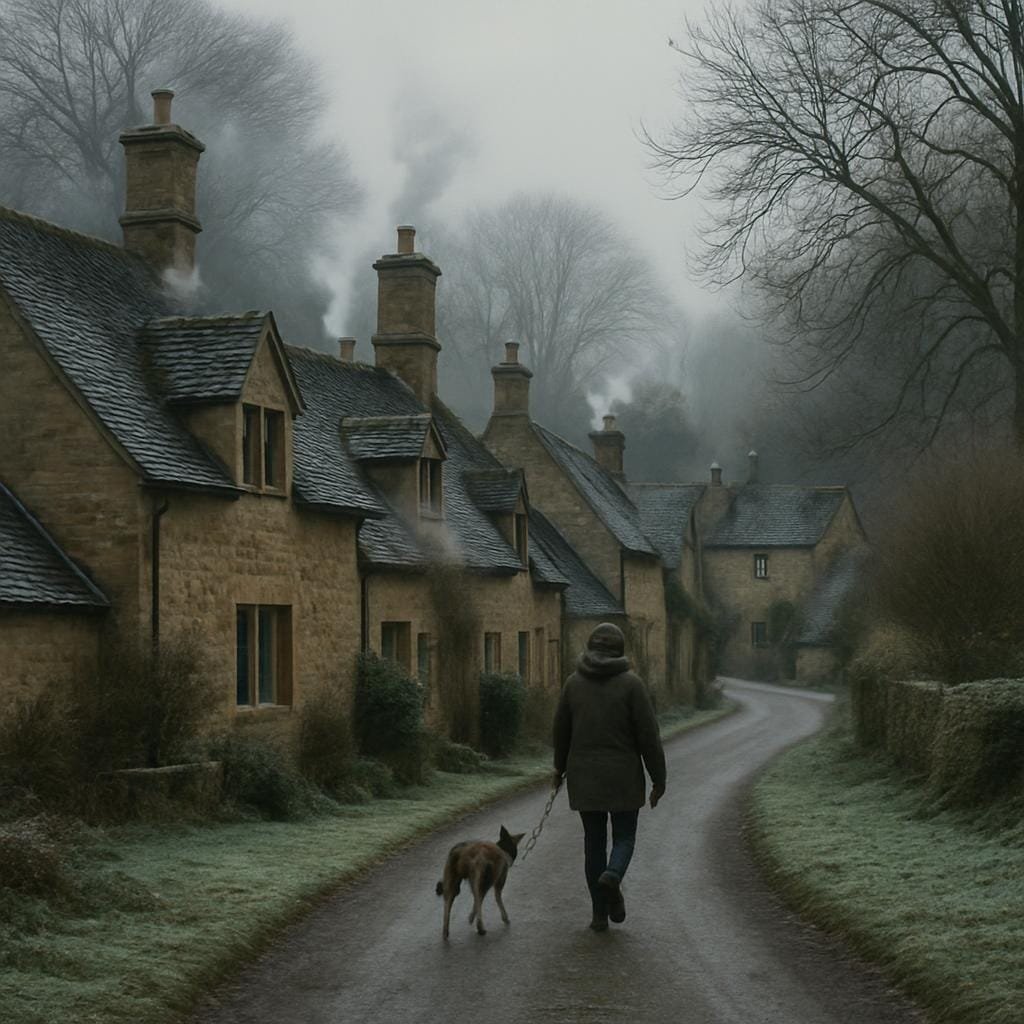
I like starting on Calton Hill. It’s a ten-minute walk up from Princes Street, past the souvenir shops and the Greggs that everyone secretly uses. From the top, you get a clear view across the city: the castle, the Firth of Forth, the cranes down at Leith. In winter, the stone monuments feel harsher, and the wind up there will rearrange your face, but that’s part of the fun. Go up in the late morning; by mid-afternoon the light turns silvery and the city slips towards evening.
After that, I wander down to the Scottish National Gallery. Entry is free, and the café downstairs is the sort of place where people lose entire afternoons with a book and a bowl of soup. One year I watched a group of school kids ignoring Turner in favour of the jam doughnuts. Excellent priorities.
In the Old Town, I tend to avoid the busiest bits of the Royal Mile and duck into the smaller closes. Fleshmarket Close drops steeply from the High Street down to Market Street, and in winter the stone steps get slick, so hold the rail unless you want to recreate my slow-motion skid from a few years back. You pass graffiti, a stubborn drip from a drainpipe that never seems to stop, and then suddenly you’re spat out near Waverley Station.
For evening, I like Leith. It’s calmer, the restaurants are local-heavy, and there’s a particular winter pleasure in walking along the Water of Leith when it’s already dark at 6 pm and the only light comes from windows and the odd bar sign. The King’s Wark on the Shore does decent fish and chips and a rich cullen skink, and it still feels like a pub first, restaurant second.
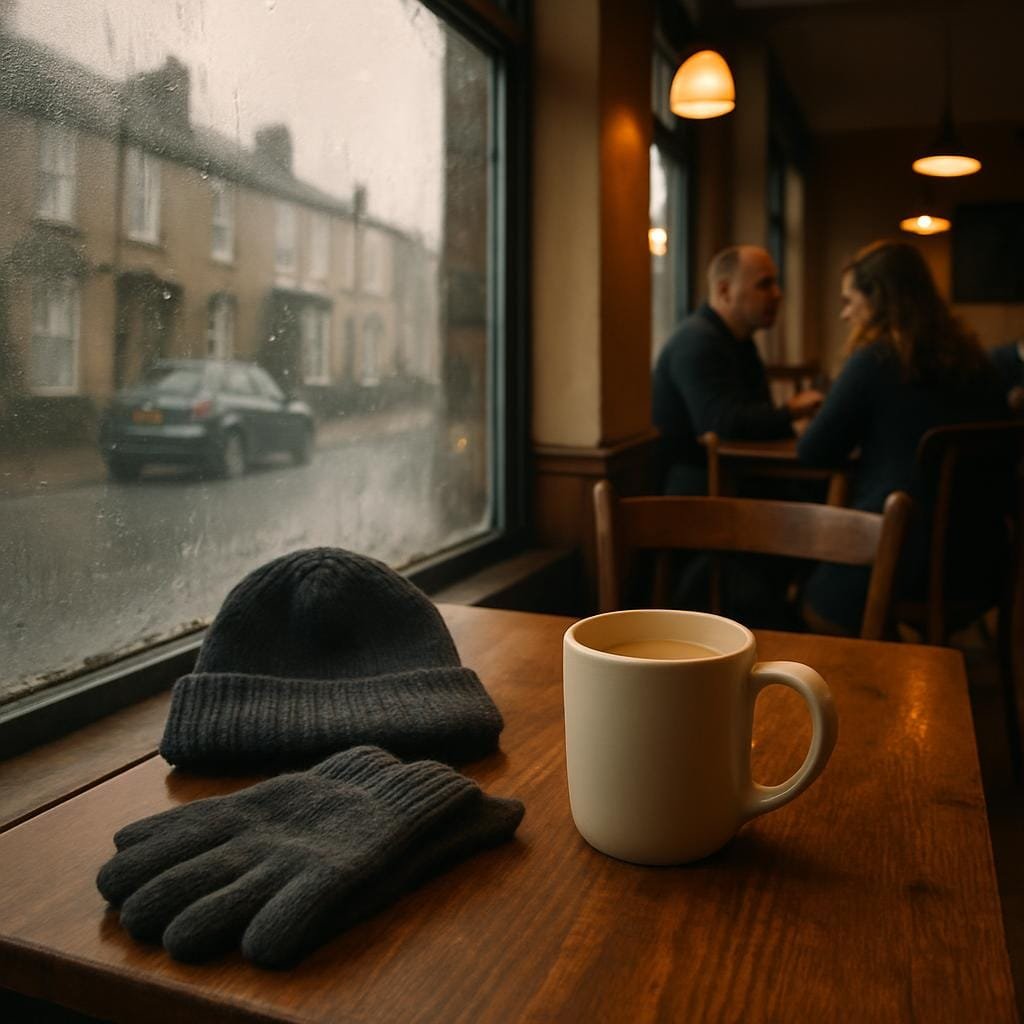
Worth knowing before you go (Edinburgh)

York in summer can feel like a school trip that never ends. In winter, especially after New Year, the streets slow down, and you suddenly notice details: the soot-darkened stone, crooked signs, and the way the Minster bells echo off cold air.
Walk the city walls first. Access is free from several points, including near Bootham Bar and Micklegate Bar, though they’re often closed in icy conditions. On a bright January morning, the walls are oddly peaceful. I’ve had whole sections to myself, apart from one retired couple debating loudly about where they parked the car (for the record, there’s a pay-and-display at Monk Bar, about £3 per hour).
The Shambles in winter is still busy but bearable, and the crooked overhanging buildings make the narrow street feel even darker in the afternoon. Duck into Shambles Kitchen for a pulled pork wrap and a hot drink; the counter staff somehow manage to be cheerful in all weathers. If you want somewhere calmer, York Cocoa Works on Castlegate does rich hot chocolate and runs short factory tours (from around £12.50) where you can warm up while pretending you came for the educational bit.
York Minster is especially good in winter. The great nave somehow feels warmer than outside, even when you keep your coat on. Entry is around £16 for adults, but the ticket lasts a year, which is handy if you pass through again. I like sitting on one of the side benches and watching the light move across the floor. On a low-sun afternoon, the stained glass throws surprisingly sharp colours onto the stone. They also run late openings and events; the light and sound installations they’ve had in recent years are worth timing a visit for, if you can.
Worth knowing before you go (York)

If you’re visiting the UK in winter and want a quieter coastal town, Aberystwyth is a good shout. It’s a university place on the west coast of Wales, so term-time has a student buzz, but on a cold weekday it can feel sleepy in the best way. The sea is usually some shade of aggressive grey, and the wind on the prom will have something to say about your hat.
I like starting at the north end of the promenade, near the Constitution Hill Cliff Railway. In summer, you can ride the funicular (around £6.50 return for adults) to the top, but in winter it usually shuts, so you walk up instead. It’s steep but short; you pass gorse, muddy shortcuts that don’t save any time, and then you’re rewarded with a broad view back across the bay and down to the Old College building. On a clear winter day, the low sun hits the town and the light feels sideways rather than above you.
Back at sea level, the pier has a slightly faded arcade with that familiar mixture of families, students and people taking 2p machines far too seriously. There’s a bar at the end of the pier which is oddly cosy in a storm, all steamed-up windows and clatter. If the weather cuts up rough, I head for the Aberystwyth Arts Centre on the university campus. It’s about a 20-minute uphill walk or a short bus ride, and inside you’ve got galleries, a bookshop, a cinema (£7–£9 a ticket) and a café where the cake slices are square and unapologetic.
One icy January afternoon, I watched half the town head out with flasks and phones to see the sunset from the prom. No drama, just a shared sense that if the sky’s going to bother turning pink, you might as well go and look at it.
Worth knowing before you go (Aberystwyth)

Market towns in the Midlands and the Welsh Borders come into their own in the colder months. They’re built for it: thick stone walls, indoor markets, pubs that assume you’ll come in with muddy boots.
Ludlow’s main square feels different when it’s cold. The feathered market hall, the uneven cobbles and the castle on the hill all feel a bit more grown-up in January drizzle. The outdoor market runs most days except Tuesday, with extra food markets and antique fairs dotted through the month. Winter stalls often have local cheese, bread, and the odd person selling wool socks they genuinely swear by.
Ludlow Castle is open year-round, though hours shorten in winter. Entry is around £9 for adults. There’s not a huge amount of indoor space, so it’s a better experience on a dry day, but the views over the River Teme and down towards Whitcliffe Common are strong, and the wind whistling through empty windows adds to the mood. If your hands stop working from cold, retreat to Aragons, a little café just off the square, for tea in thick mugs and a slab of cake that feels like it was cut in your favour.
Worth knowing before you go (Ludlow)

Shrewsbury is where I spent a lot of my teens trailing around shoe shops, so I had to come back later in life to realise it’s actually rather good in winter. The loop of the River Severn means there’s always a damp chill in the air, and the old centre has just enough twisty streets to keep you mildly lost.
The Shrewsbury Market Hall is the real star. It’s a 1960s concrete box from the outside, but inside you’ve got butchers, fishmongers, veg stalls and a collection of small cafés and bars clinging to the first-floor balcony. Mia Italian Deli does thick hot chocolate and strong coffee, and there’s a tiny bar, Gindifferent, that opens later in the day. In winter, locals treat the place like a village hall with better snacks. You can sit with a bowl of something warm and watch people do their weekly shop around you.
If the weather improves, walk down to the Quarry, the big riverside park. The formal Dingle garden – all flower beds and a small pool – looks a bit bare in January, but there’s a nice honesty to it. If the paths are icy, take it slowly; the Severn has strong opinions about people who rush.
Worth knowing before you go (Shrewsbury)

Visiting the UK in winter is easier if you accept that you’ll be cold and then plan to enjoy yourself anyway. A few things I’ve learned the hard way:
One small confession: I still underestimate pavements. Every year I tell myself, “It won’t be that icy,” and every year the pavement proves me wrong. Good shoes with grip. Your knees will thank you.
If you’re visiting the UK in winter, pay attention to the small rituals. Early afternoon dog walkers in thick coats. People standing outside pubs in the cold because they refuse to abandon the smoking area social circle. Supermarkets quietly expanding the custard and stew sections.
You start to notice that winter isn’t downtime so much as a different rhythm. Edinburgh goes to ground in its tenements and reappears in the pubs after dark. York slows to the pace of its own bell chimes. Coastal towns like Aberystwyth treat the weather as background noise. Market towns like Ludlow and Shrewsbury shift their energy indoors – into market halls, cafés, and pubs where the radiators work harder than the staff.
None of it is glossy. The light is low, the streets are quiet, and your photos will have more grey in them than blue. But if you like seeing how a place really runs, that’s exactly when you should come.
And if the rain suddenly comes in sideways, which it will, find the nearest market hall or pub that hasn’t changed its carpet since the 80s, order something hot, and watch the door. That, in my slightly biased opinion, is winter travel in Britain done properly.