
If you’re anything like me, “budget travel Britain” used to sound like an oxymoron. Train fares that make you wince, £7 pints, “boutique” B&Bs that apparently charge extra for sockets. But the longer I’ve trundled around the country, the more I’ve realised you can see a lot of Britain by spending far less than you’d think – if you’re prepared to be a bit crafty and occasionally eat dinner from a supermarket meal deal aisle.
This isn’t a fantasy where you magically stay in castles for £20 and every pub does a roast for a tenner. It’s a realistic blueprint: places I’ve actually been, trains I’ve actually cursed, and pies I’ve actually eaten. Think of it as budget travel Britain from someone who’s done the slightly awkward bits.
I’ll start with Birmingham because it’s the place I used to treat like a giant ring road you had to endure on the way to somewhere else. Then, a few years back, I had a full day to kill between meetings and about £30 I was willing to part with. Turned out to be one of my better accidents.
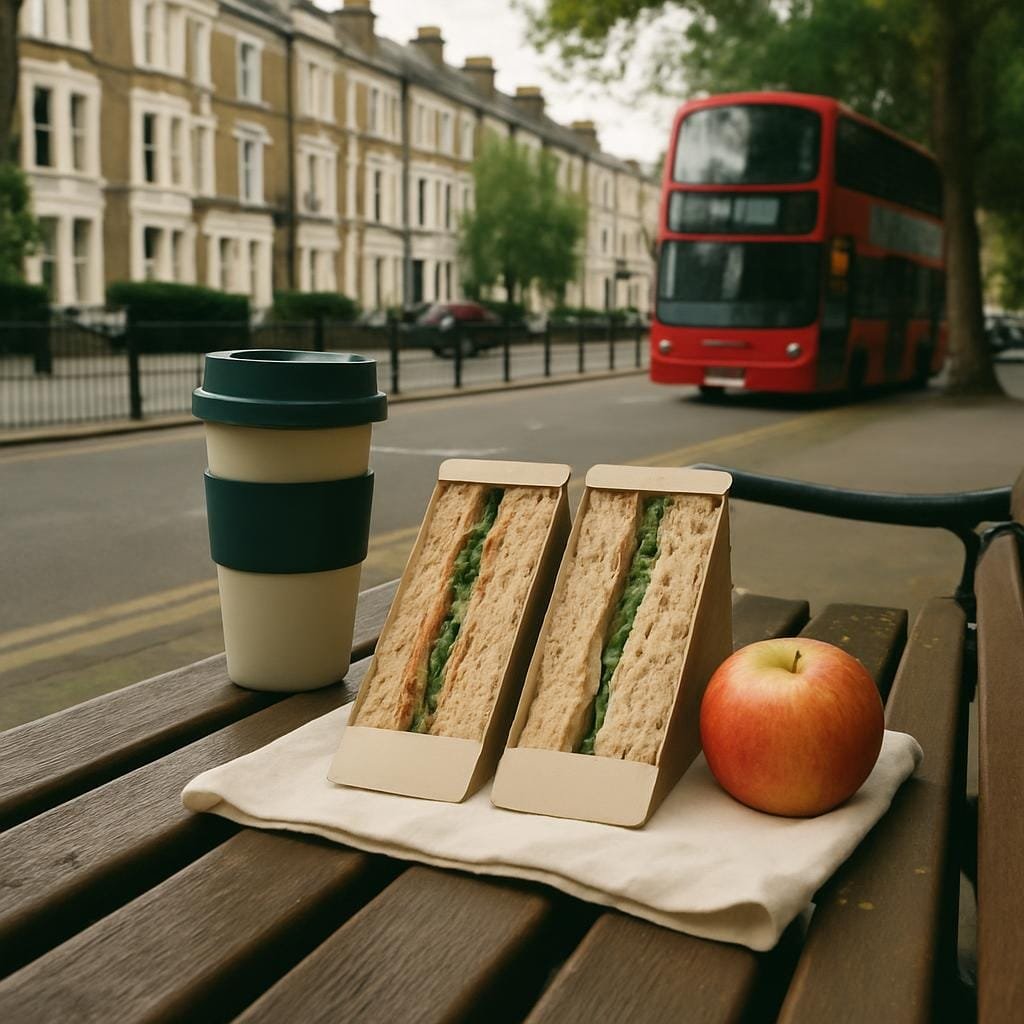
If you time it right, you can get advance off-peak returns into Birmingham New Street from all over the Midlands for under £15. From New Street, everything in the city centre is basically a five-to-ten-minute walk, which immediately makes it decent for budget travel Britain: no extra buses, no faffing.
The big paid thing I actually recommend here is the Birmingham Museum & Art Gallery (when it’s open – check their site as they’ve been doing phased reopenings). Entry has historically been free, with some paid exhibitions around £5–£10. I still remember wandering into the room with the Pre-Raphaelites and thinking, “These lot are in postcards everywhere and I’m seeing them for nothing.”
For food, skip the obvious chains around the Bullring and walk ten minutes to the Chinese Quarter. Chung Ying on Wrottesley Street has a dim sum menu where you can graze on three or four dishes for under £20 if you’re sensible and don’t order every dumpling in sight. If you’re on stricter money, there’s a tiny place called Peking Express on Station Street where a big box of noodles is still around a fiver.
For a free wander, the canal area around Brindleyplace is worth it. You’ll find a slightly faded information board near the Sea Life Centre explaining the old working wharfs. You can walk the towpaths for miles. You’ll also notice the smell: a mix of damp brick, pub chips and diesel from the narrowboats that I find oddly comforting.
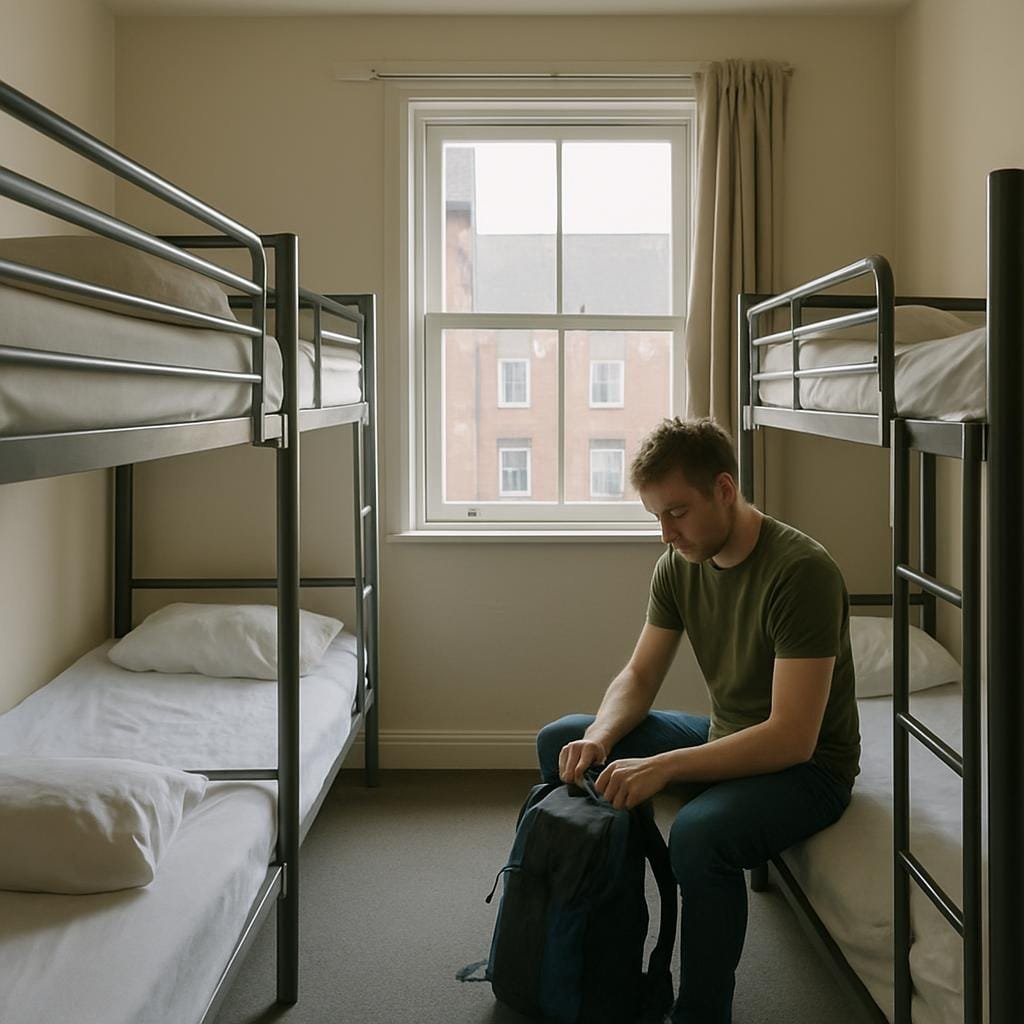
Worth knowing before you go – Birmingham on the cheap
I’ve spent quite a bit of time in Swansea because of work, and it took me longer than it should have to realise it’s one of the easiest ways to have a proper coastal break without remortgaging the dog.
Train-wise, if you book ahead you can do Paddington to Swansea for under £40 each way. Once you’re there, ditch the idea of a smart hotel on the marina. Check out simple guest houses along Oystermouth Road – the ones with slightly dated carpet and golf programmes on the telly – that go from around £40–£60 a night. Not Instagrammable, perfectly fine.
For food that doesn’t wreck your budget, the Swansea Indoor Market is fantastic. Carters Fish does proper fish and chips; last time I was there a large cod and chips was about £8. If you’re curious, grab some laverbread from one of the stalls and fry it with bacon later – that’s your breakfast sorted and a bit of Wales in a pan.
The key for budget travel Britain here is the Gower Peninsula. From Swansea city centre, the First Cymru buses out to places like Mumbles, Caswell and Rhossili are around £4–£6 return depending on how far you go. From Mumbles you can walk the coastal path, and from Rhossili there’s that wide sweep of beach everyone uses for calendar photos. No entry fees, no nonsense – just your bus fare and whatever you spend on ice cream.
Public toilets at Rhossili are right by the National Trust car park – that car park is about £6 per day for non-members, but if you come by bus you dodge that too. Small win.
One slightly odd detail I always notice: that sharp, salty seaweed smell when you get off the bus at Mumbles, and the way the pavements near the pier are always just slightly sticky from spilled Mr Whippy.
Worth knowing before you go – Swansea & Gower
Growing up in Shropshire, I’ll admit I didn’t appreciate just how good it is for low-cost wandering until I started paying my own rent. For budget travel Britain, it’s gold: lots of walking, free views, and pubs that still think £4.50 is a bit steep for a pint.
Shrewsbury is my go-to example. The train station is right by the centre, so no extra buses. From outside the station you can see the castle, which houses the Regimental Museum. Entry has usually hovered around £5–£6 for adults. You get military uniforms, medals and slightly terrifying mannequins, plus views over the town from the castle walls.
The real money-saver is that Shrewsbury is made for just wandering. The Quarry park, with the Dingle garden, is free and genuinely lovely. There’s a statue of Hercules near the river that looks like he’s regretted every life choice. In summer, there are rowing boats for hire that are cheaper than you’d think – about £10–£15 per hour for up to four people last time I checked. You can split that, or just watch other people make a mess of steering.
For food, I like The Birds Nest Café in Market Hall – Thai food upstairs, good coffee, and plenty of veggie options around the £8–£10 mark. Shrewsbury Market Hall itself is worth a wander: a mix of second-hand stalls, cheese, fish, plus a record shop blasting indie from about three decades ago.
If you want hills without Peak District crowds, head to Carding Mill Valley near Church Stretton. Train to Church Stretton, then it’s about a 20-minute walk to the valley entrance. The National Trust car park is around £5 for non-members, but walking in is free.
The climb up to the top of the Long Mynd is a straightforward route, and you can be properly out in the open in under an hour. No ticket barriers, no queue. It’s just you, sheep, and occasionally someone in very expensive walking gear you suspect has never actually seen a stile before.
Worth knowing before you go – Shropshire
Now, York is not a budget place in the straightforward sense. Accommodation costs can be silly. But it’s such a good city that I think it’s worth including because with a bit of discipline you can make it work.
I messed it up the first time – turned up on a Saturday, didn’t book ahead, and ended up in a hotel that had “character”, by which I mean the mattress had opinions. Since then I’ve done it better by treating York as a day trip. Advance train tickets from Leeds, Sheffield or even Manchester can be as low as £10–£15 return if you’re flexible.
Once you’re in, the two big free wins are:
Food-wise, the city centre is full of places that will happily charge you £15 for a panini if you look too eager. Wander up to Shambles Market instead. There’s a stall called Shambles Kitchen that does hefty wraps and burgers for around £7–£9. Portions are such that you don’t really need dinner.
Keep an eye out as you walk: there’s a tiny stone cat on one of the buildings along Goodramgate (part of York’s Cat Trail). It’s the kind of quirky thing that costs nothing and sticks in your head more than a £25 attraction.
Worth knowing before you go – York
I didn’t get Newcastle until my second visit. First time I bounced between the station, a generic bar, and back again. Second time I treated it like a place worth walking, and it fell into place.
The Quayside is your anchor. You’ve got the Sage Gateshead (now known as The Glasshouse), the Tyne Bridge, and the BALTIC Centre for Contemporary Art – free entry, just walk in. The BALTIC’s viewing platforms give you one of the best city views in Britain without any ticket nonsense. You can see all the bridges, the curve of the river, and usually at least one seagull giving you the side-eye.
In Newcastle itself, the Laing Art Gallery is free, with donations. It has a mix of Victorian art and more modern stuff, and you can easily spend an hour or two without spending a penny.
For food, wander up to Grainger Market. It’s an indoor Victorian market with everything from fish to mobile phone repairs. MRS W’s Sandwich Shop does hefty stotties (flat round bread, very North East) for the sort of prices that make you check they haven’t missed anything off the bill – think £3–£5 for something that will keep you full for hours.
Beer-wise, The Bridge Hotel near the High Level Bridge is a classic. Wooden panelling, decent cask ale, and sometimes a view of trains rumbling past.
Worth knowing before you go – Newcastle & Gateshead
li>How to get there: Major rail hub, and the Metro makes getting around cheap. A day ticket on the Tyne & Wear Metro is usually under £6 for zones around the city.
All these places are great, but the real savings come from the boring habits. The unglamorous, logistics-brain stuff I picked up from years on the road.
One of the secret strengths of budget travel Britain is all the free cultural stuff that still exists:
I’d love to say that if you follow all this, every trip will be perfectly timed, every bus will appear the second you need it, and you’ll never end up sleeping in a room lit entirely by the glow of a vending machine. Reality is messier.
I once turned up in Swansea to find my cheap guest house overbooked and the owner looking at me like I was an unexpected Amazon parcel. After a mild panic and a trawl through booking sites, I ended up in a place above a pub where the carpet pattern genuinely made me feel seasick. But it was £35, there was a lock on the door, and the bar downstairs did a plate of curry and chips for £6 that tasted mostly of cumin and relief.
That’s sort of the point. Budget travel Britain isn’t about pretending everything is smooth. It’s about accepting a bit of scruffiness in exchange for actually going. You put up with the occasional dodgy mattress and slightly lukewarm shower so you can walk city walls, climb hills, poke around markets and drink a pint in a pub that looks like your uncle decorated it in 1993 and never quite stopped.
If you take anything from this, let it be this: pick your big spends carefully (the occasional attraction or train), build days around free things (walking, museums, coast), eat like a local (markets, cheap cafés), and treat mishaps as part of the story rather than a disaster. Britain is absolutely doable on a budget – you just have to meet it halfway.