
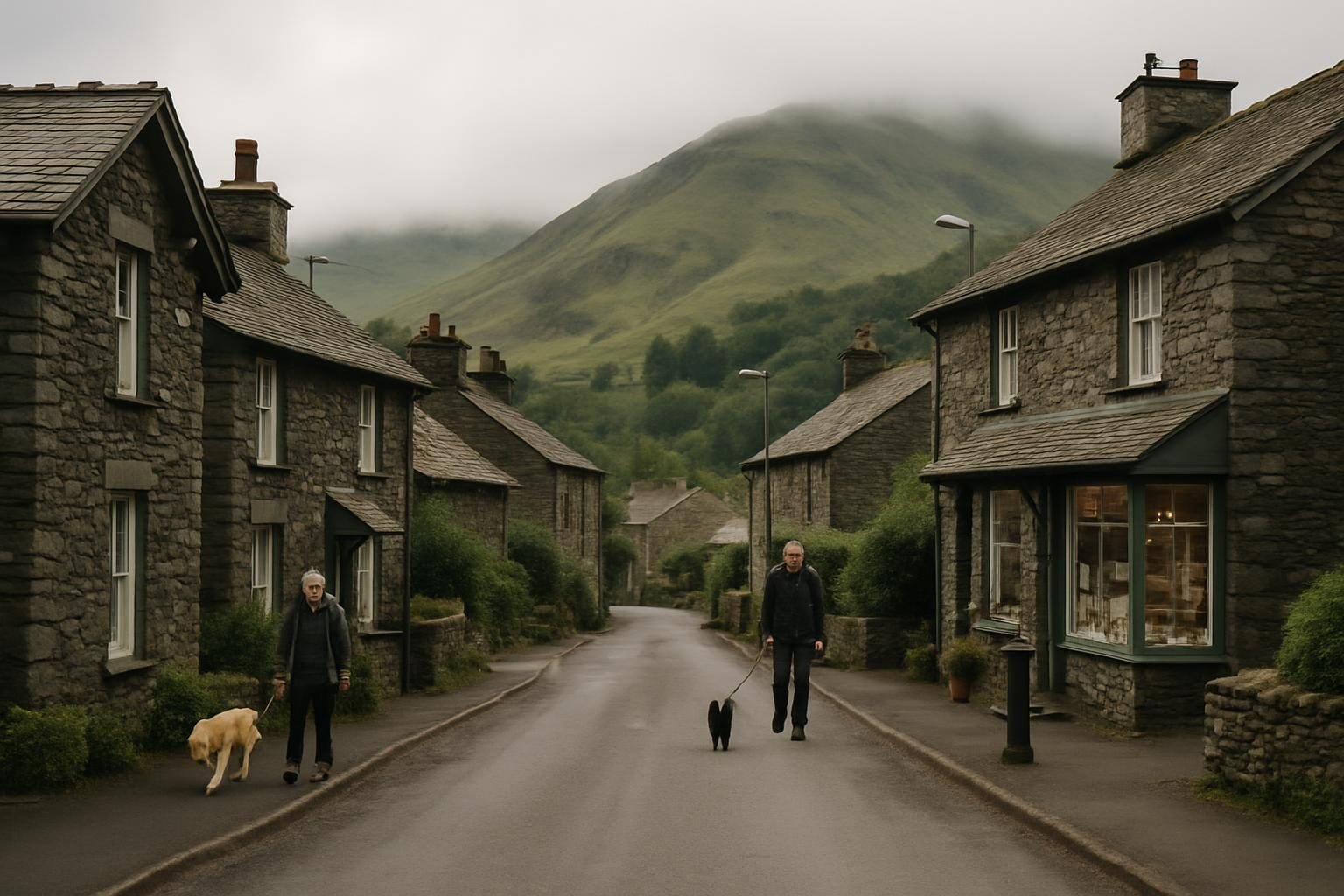
If your idea of the Lake District everyday life is polished viewpoints and perfectly timed golden-hour photos over Derwentwater, you’re only getting half the story. The other half is a pile of wet waterproofs steaming over a pub radiator, a bus that’s mysteriously “not in service”, and a local arguing (politely) with a walker about closing gates on the fells.
I like the big views as much as anyone, but over a few years of visits I’ve become more interested in what’s happening behind the postcards – the everyday rhythm that keeps the place going when the coaches have gone. The Lake District everyday life is farmers’ markets, school runs on tiny lanes, people trying to get to work while someone blocks the road to photograph a Herdwick.
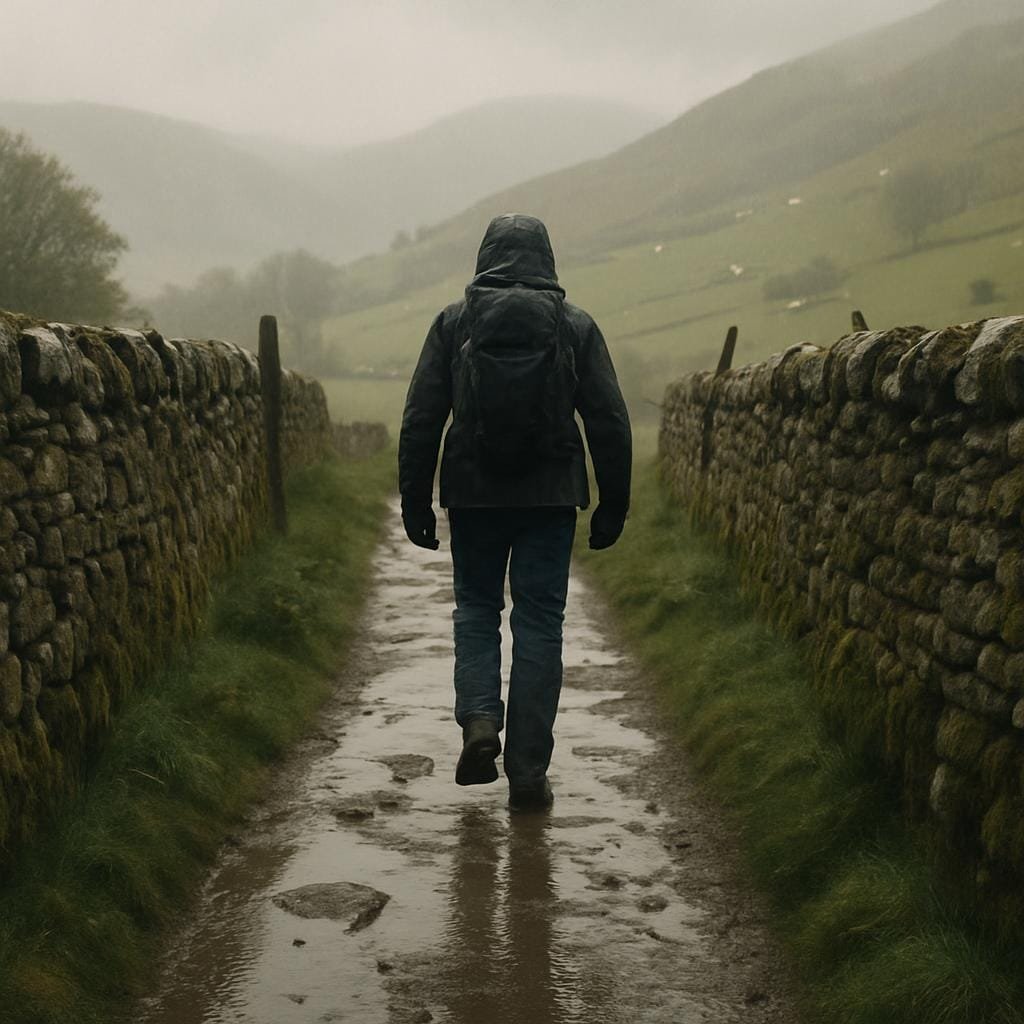
This isn’t a “top ten beauty spots” list. It’s more like a wander through actual days I’ve spent up there, in all sorts of weather, trying to pay attention to what life is really like in between the peaks.
The first time I came to Keswick it was raining hard enough to sting your face. The sort of rain that laughs at waterproof trousers. Crowds of people were still trudging up towards Walla Crag, but I ended up doing something much more interesting: hovering under awnings at the Thursday market in the main square, watching what people bought when they weren’t on holiday.

Keswick’s open-air market runs Thursdays and Saturdays on Market Square, and yes, you can buy the usual fudge and artisan sausage. But if you stand still for long enough, you notice the locals stocking up on:
Around the square, there’s the everyday rhythm: parents pushing prams into Friars for “just one chocolate”, dogs dragging their owners into George Fisher because it always smells of new boots, and the steady shuffle of people heading to the Co-op to buy tea bags and milk. This is the Lake District everyday life that doesn’t get framed on canvas.
One particularly foul Tuesday, when Skiddaw had vanished completely into cloud, I ended up in the Keswick Museum, which I’d walked past a dozen times. It’s about £5.50 for adults, and frankly, it’s worth that just for the old musical stones exhibit and the “Made in Keswick & District” section that quietly explains how this town didn’t appear out of thin air for your walking holiday. There’s mining, pencil-making, and quite a lot of weather-related hardship.
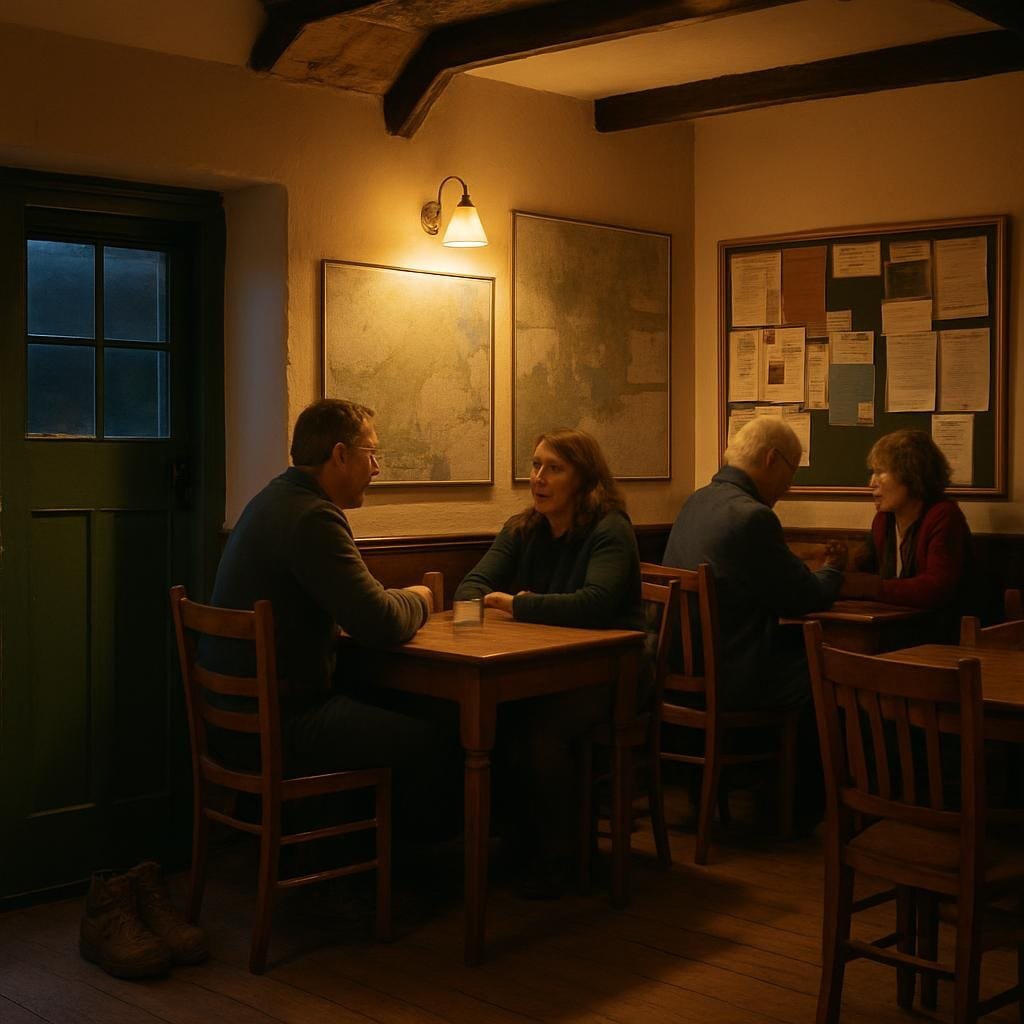
Afterwards, I dried out in the café at the Moot Hall’s Porch café, which does a decent flat white and tray bakes the size of your hand. At the next table, a walking group was reshuffling plans because the wind on Helvellyn was “a bit silly”. Outside, the stallholders were calmly tying things down with that expression that says, “this is Thursdays”.
Worth knowing before you go – Keswick
I’ll be straight with you: I’ve had mixed feelings about Bowness. On one trip, I came off a damp boat trip, walked straight into a crowd shuffling towards the famous ice cream kiosk by the lake, and seriously considered turning straight back round. Lovely views, yes, but it felt like a theme park for people in discounted waterproofs.
But then I spent a wet weekday morning actually watching how people use the town. Head uphill, away from the piers, towards the Old England Hotel and then keep going. Within five minutes you’re in the practical layer of town: hairdressers, a laundrette with hiking socks stuck to the window, kids being dragged into Tesco Express for emergency snacks.
In Windermere village (a mile or so up the hill from the lake), I ducked into Homeground Coffee + Kitchen on Main Road. It’s often busy, but the staff have that unflappable, “yes it’s raining, yes you’re dripping on the floor, yes we’ll find you a table” calm. They do an excellent bacon sandwich on sourdough and strong coffee, the kind of breakfast you eat while trying to dry your OS map on the chair next to you.
At another table, a couple in work fleeces were clearly on a tea break, talking about bus timetables and housing. This is another side to Lake District everyday life: the reality that people have to be able to live here all year, not just over half-term. You hear fragments of it at bus stops and in the aisles of Booths, where holidaymakers debate which Cumbrian gin to take home while someone in a hi-vis buys a meal deal and gets back to the van.
Down in Bowness, a good place to watch the gears turning is from upstairs at The Flying Pig, up a side street from the lake. Food isn’t cheap (mains around £17–£25), but the fish pie is proper, and from the window you can see delivery vans doing heroic three-point turns in streets that were not designed for anything larger than a horse.
Worth knowing before you go – Windermere/Bowness
Ullswater is the place that first made me understand the Lake District everyday life in bad weather. A few years back I was there in February, when the Ullswater Steamers were running a reduced timetable and you could actually hear your own footsteps around Glenridding.

I caught the mid-morning boat from Pooley Bridge to Glenridding (around £16 return for adults). On board, there were more locals than I expected: someone clearly heading to work, a lad with a schoolbag, and two older women with shopping trolleys discussing the butcher in Penrith. The commentary chatted about Wordsworth while people quietly got on with their commute.
At Glenridding, most people stomped off towards the footpath for Helvellyn, but I wandered into The Pier House tearoom. They do a basic but welcome bacon bap and tea, and from the window you see the same staff who just welcomed visitors helping a driver back a delivery lorry down an icy ramp. Tourism and everyday work blurring into each other.
Walk five minutes away from the lake and you start to see the quieter pieces: the village hall noticeboard advertising the Ullswater Way Festival, a lost cat sign, leaflets about parish council meetings. Outside the Fairfield Guest House, someone was scrubbing mud off boot trays ready for the next wave of walkers.
As I tramped along the shore towards Patterdale, the weather flicked between sleet and bright sun every ten minutes. On the road, the 508 bus from Penrith roared past – you can hear it long before you see it on those narrow roads. If you time it badly, you end up flattened against the hedge with a rucksack full of damp sandwiches, which is an extremely Lake District everyday life moment.
Worth knowing before you go – Ullswater
Ambleside is where the Lake District everyday life really hit me one particularly grey week. The cloud had come down so low you couldn’t see the tops of the houses, never mind the fells, and everyone collectively gave up on high routes.
I started in Rattle Ghyll, tucked just off the main street. It’s a relaxed vegetarian café that does hearty chilli and genuinely good soup. There I was, trying to dry my socks under the table heater, when I noticed three students arguing about deadlines and rent prices – turned out they were from the University of Cumbria campus at the end of town. For them, this wasn’t a walking holiday. It was home, lectures, part-time jobs and complaining about the laundrette prices.
Later, I ducked into Ambleside Library (in the same building as the town’s Armitt Museum). It’s free to enter; the museum itself is about £6.00. The library was doing brisk trade in ordinary life: kids choosing books, someone printing off boarding passes, a walker desperately checking the weather forecast on a public computer for “somewhere, anywhere, that isn’t raining sideways”.
On another trip, after the big refurb at the Zeffirellis cinema and restaurant, I spent a drizzly evening there watching a film with a mix of locals and visitors. The special deal – pizza and a film for around £20 – is good value for the Lakes. At the bar, someone in a hotel uniform picked up a takeaway pizza after their shift; outside, the pavements were shiny with rain and the bus to Windermere pulled in, three people getting off with shopping bags.
On low-cloud days, the fells vanish and the town takes over. You notice the guy who sweeps outside the Apple Pie Café at opening time, the early queue at Gaynor Sports for waterproofs “better than this one”, and the quiet satisfaction on faces leaving the launderette clutching plastic bags of warm, dry walking kit. It’s mundane, but it’s what keeps the holidays going.
Worth knowing before you go – Ambleside
You can’t talk about Lake District everyday life without talking about farming. On almost every walk you’re crossing someone’s workplace, and it’s not always a neat fit with tourism.
I’ve stood at many a farm gate on a grey day, reading the same kind of sign: “PLEASE KEEP DOGS ON LEADS – SHEEP WORRYING KILLS.” It’s not decorative. On one path outside Grasmere, a farmer stopped me and three other people and politely, but firmly, pointed out that one of the group’s dogs was “not really” under control. Slightly awkward moment, but that’s the reality: this place relies as much on livestock sales at Penrith mart as it does on people buying flapjacks.
You see the routine most on early morning walks in bad weather: quad bikes whining in the distance, lights on in barn windows, the smell of silage drifting across the path. I remember one sodden morning near Staveley when I passed a tractor genuinely older than me, still hauling feed along a lane full of puddles the size of canoes. Holiday-makers splashed past in brand-new boots, and you could almost see the two versions of the place brushing up against each other.
This overlap is where the Lake District everyday life sits: school buses sharing roads with hiking groups, slurry tankers stuck behind campervans, village shops trying to be both souvenir stop and weekly shop. It doesn’t always work smoothly, and you feel that tension in conversations at pub bars when housing or traffic comes up. But it’s real, and noticing it changes how you walk through the area.
So how do you see this side of the Lakes without turning into some kind of weird “authenticity” collector? Honestly, you don’t need a special technique. Just a bit of time away from the viewpoints and a willingness to sit still.
A few things that have helped me:
In the end, the Lake District everyday life runs underneath everything, in all weathers: in the way people chat to the bus driver, in the queue at the chippy on a Friday night when the fells have been socked in all day, in the sleepy schoolchildren trudging along lanes you only ever see in sunshine on Instagram.
The viewpoints will always be there, and they’re worth the climb. But if you leave space for the damp socks, the market stalls, the half-heard conversations about lambing and rent, the Lakes become something different. Less perfect, more interesting. And you might even find, as I did, that your favourite memory has nothing to do with the view at all – it’s the sound of rain hammering on a café window in Keswick while someone at the next table argues cheerfully about which bus actually goes to Threlkeld.