
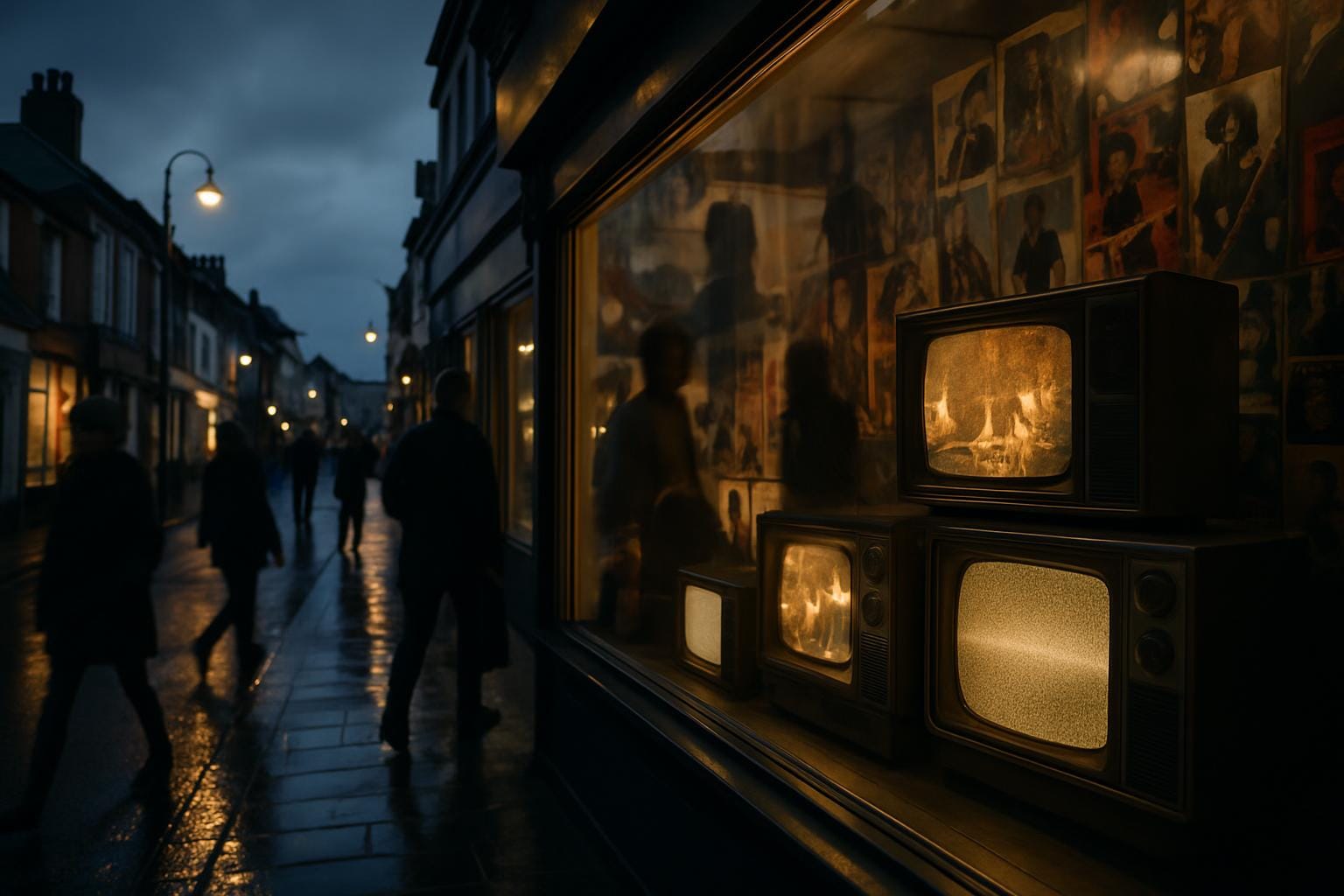
I grew up thinking British pop culture lived in two places: the Top of the Pops studio and the TV schedule section of the Radio Times. Now, it lives in my phone, your phone, and – somewhat alarmingly – in a lay-by outside a Lancashire farmhouse. British pop culture TV locations have escaped the telly and moved into actual geography, and I’ve spent the last few years chasing them around the country like a slightly confused roadie.
This isn’t a comprehensive guide so much as a confession: I keep planning normal trips and accidentally ending up somewhere I recognise from the telly or TikTok. The good news is, they’re often worth the detour – even if you do occasionally feel like an extra in someone else’s nostalgia.
You can’t talk about British pop culture TV locations without starting with Top of the Pops. Sadly, there’s no museum of awkward miming and glitter cannons, but you can walk the ground where it all happened.
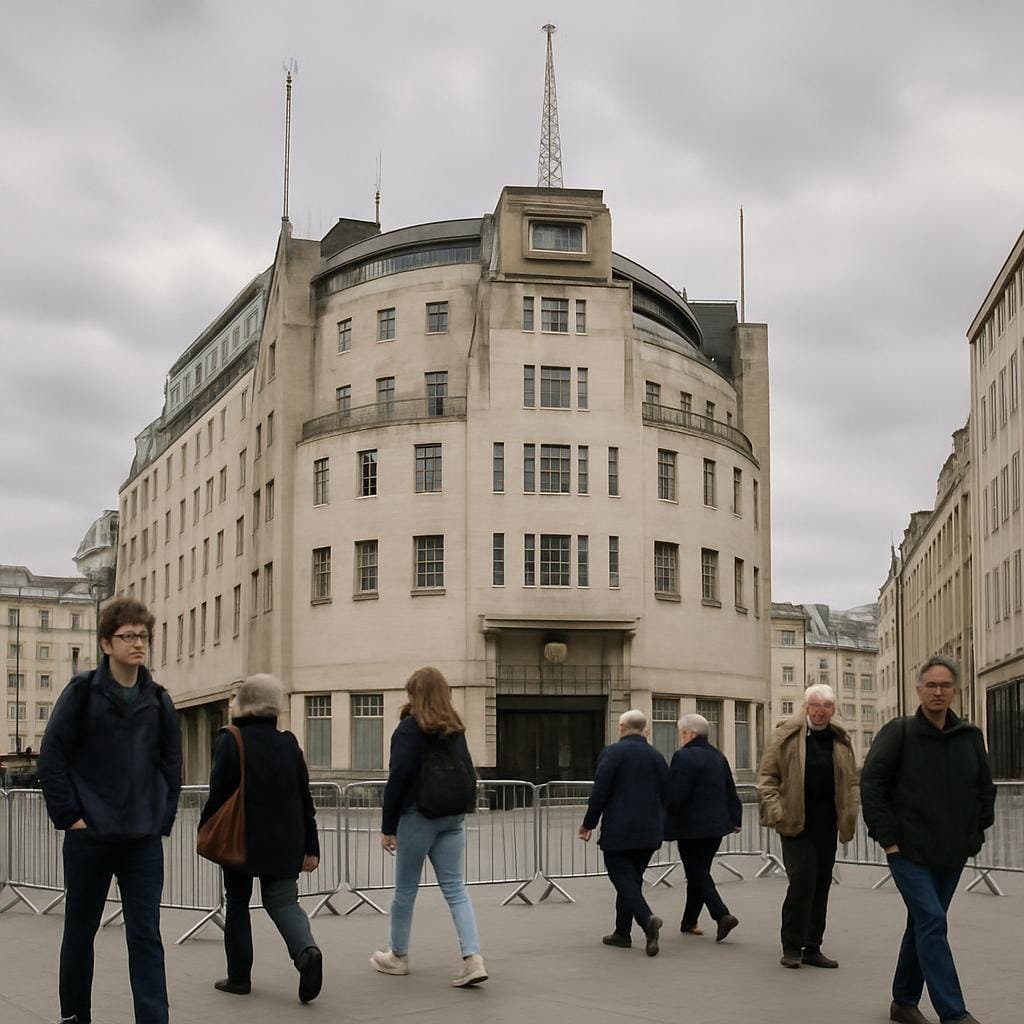
The old BBC Television Centre in White City looks oddly familiar even if you’ve never been: that doughnut-shaped building that used to appear in every “behind the scenes at the Beeb” segment. TOTP filmed here for long stretches, and walking in through the forecourt feels a bit like stepping into a very tidy 1980s office party that everyone has mysteriously left.
These days the building is part hotel, part flats, part working studios. You can’t just rock up and demand to recreate the Top of the Pops countdown (I asked; the security guard was polite but unmoved), but you can still:
Out front there’s still a faint feel of performance about the place. On my last visit, a group of teenagers were filming a TikTok dance in front of the rotating “Television Centre” sign, very likely without any idea that T. Rex and Bowie once performed a few metres away. I had a moment of feeling ancient, then remembered I’d once tried to copy a Steps routine in my mum’s living room and felt immediately better.
Worth knowing before you go (White City)
I grew up with Coronation Street theme music bleeding into the kitchen from the next room, so visiting the set was oddly like meeting distant relatives you secretly thought were fictional.
The ITV Coronation Street Tour at MediaCityUK lets you walk down the cobbles, stand under the “Rovers Return Inn” sign, and resist (or not) the urge to shout “Gail, love!” at strangers. The current outdoor set sits behind ITV’s glassy offices, a short wander from the MediaCityUK Metrolink stop, where even the tram platforms have that slightly corporate-new-town feel.
Two specific details surprised me:
Tickets start around £28 for adults; you need to book ahead online, and the tours run mainly at weekends and during school holidays. Our guide reeled off storylines while pointing out tiny set details: personalised window stickers in Dev’s shop, the number of fake bricks on the factory front, and the fact that the puddles are sometimes “topped up” before filming for that classic miserable-weather shot.
MediaCity itself has become a modern British pop culture TV location in its own right – the studios host BBC Breakfast, Match of the Day and various music shows. You can sit by the Blue Peter Garden (yes, it’s real, with a little pond and a tortoise statue) and realise that half your childhood was secretly filmed in Salford.
Worth knowing before you go (MediaCity/Coronation Street)
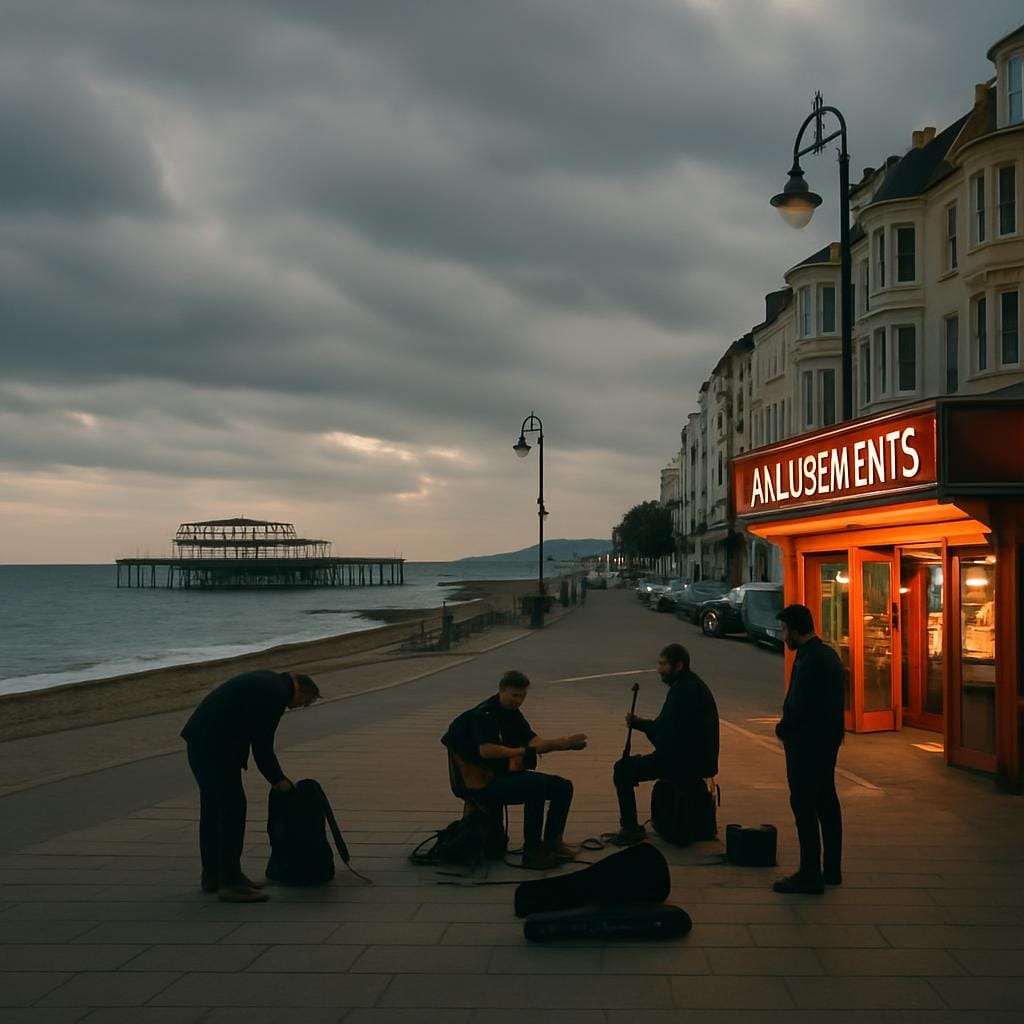
From the industrial North to the Essex–Wales romance that somehow turned Barry Island into a pop culture pilgrimage site. The first time I stepped off the train at Barry Island I heard at least three people immediately say “Oh my Christ, Nessa!” in bad accents. The locals are patient; I assume they have a support group.
The beach is exactly as it looks in Gavin & Stacey: gently curving bay, yellowish sand, and the famous Whitmore Bay promenade with arcs of colourful beach huts. Two TV specific spots are worth the attention:
The show has turned Barry into one of those British pop culture TV locations where reality and fiction constantly bump into each other. You can book a Gavin & Stacey bus tour that takes you to Stacey’s house in Dinas Powys, the caravan park and a frankly surprising number of lay-bys. The tour guide on ours peppered the commentary with local gossip, including which pub cast members actually liked drinking in when the cameras were off. (Apparently The Ship in Barry is good for low-key pints and a decent Sunday lunch.)
Worth knowing before you go (Barry Island)
Some British pop culture TV locations feel built for postcards; others feel like someone pointed a camera at a normal place and accidentally created a fandom. Hebden Bridge is firmly in the second camp.
Thanks to Happy Valley and a steady stream of online fan edits, Hebden Bridge has gone from arty market town to “that place with the canal and the murder” in the public imagination.
If you’ve watched the show, walking over the old stone packhorse bridge on Bridge Gate is weirdly tense, partly because you expect a confrontation round every corner and partly because the cobbles are slightly polished from centuries of use. Two details to look out for:
The town has become a quiet hotspot on TikTok; search it and you’ll get videos of the Rochdale Canal towpath, the steep steps up to Heptonstall (which also features in the show) and people trying to find the exact spots where certain scenes were filmed. Local cafes, like Innovation café-bar opposite the Co-op, now get the odd group asking for “the table where Catherine sat”. To their credit, they just point them to whichever seat is free.
Worth knowing before you go (Hebden Bridge)
Technically we’ve hopped across the Irish Sea here, but pop culture doesn’t respect geography and, frankly, neither do budget airlines. Derry Girls turned a very specific 1990s Northern Irish experience into international comfort TV – and TikTok has run with it.
The first place everyone heads is the Derry Girls mural on the side of Badger’s Bar, just by the Foyleside shopping centre. The mural is huge – properly, full-wall huge – and the characters stare down at a steady stream of fans mimicking the “wae faces” for photos. I watched one bloke try to explain the show to his confused dad by shouting “It’s like our school, but funny”, which felt unfair on his old teachers.
Two bits that feel particularly “been there”:
Walk up to the Derry City Walls and you’ll find a few more spots you’ll recognise, especially around Bishop’s Gate. The local Visit Derry office on Foyle Street hands out a free “Derry Girls” filming locations map, which is both genuinely useful and slightly amusing in its formality. Yes, we are officially endorsing the place where someone shouted about “deadly rides” in a thick accent.
Worth knowing before you go (Derry)
What links all these British pop culture TV locations – from White City to Barry Island to Hebden Bridge – is how they’ve slipped out of the TV schedule and into everyday life. Once upon a time, you had to queue for hours for a Top of the Pops ticket. Now you can show up with your phone, film a 15‑second dance, and have more viewers than some late‑night music shows ever did.
It’s not all perfect. Some places lean too hard into the branding; some attractions feel tired, like an ageing boyband doing the hits for the hundredth time. I’ve had underwhelming coffees, slightly awkward tours and the occasional “Oh, is that it?” moment when a supposedly iconic street looked exactly like every other British high street, just with more fans in themed hoodies.
But then you’ll turn a corner and see a kid on Barry Island beach re‑enacting a scene from Gavin & Stacey while her grandparents watch, laughing because they remember when the prom was on TV every week. Or you’ll stand in the courtyard of Television Centre, watching TikTok dancers in front of a building that once housed every major music act in the country, and realise: the pop culture map isn’t fixed. It keeps expanding, location by location, clip by clip.
If you’re planning your own tour of British pop culture TV locations, my only real advice is this: go for the reference, stay for the place. Have your moment on the cobbles, by all means, but also have the extra drink in the local pub that never appears on screen. The cameras might move on, but the towns, beaches and slightly sticky arcade carpets are very much still there, waiting for the next show – or the next person pointing a phone at them.