
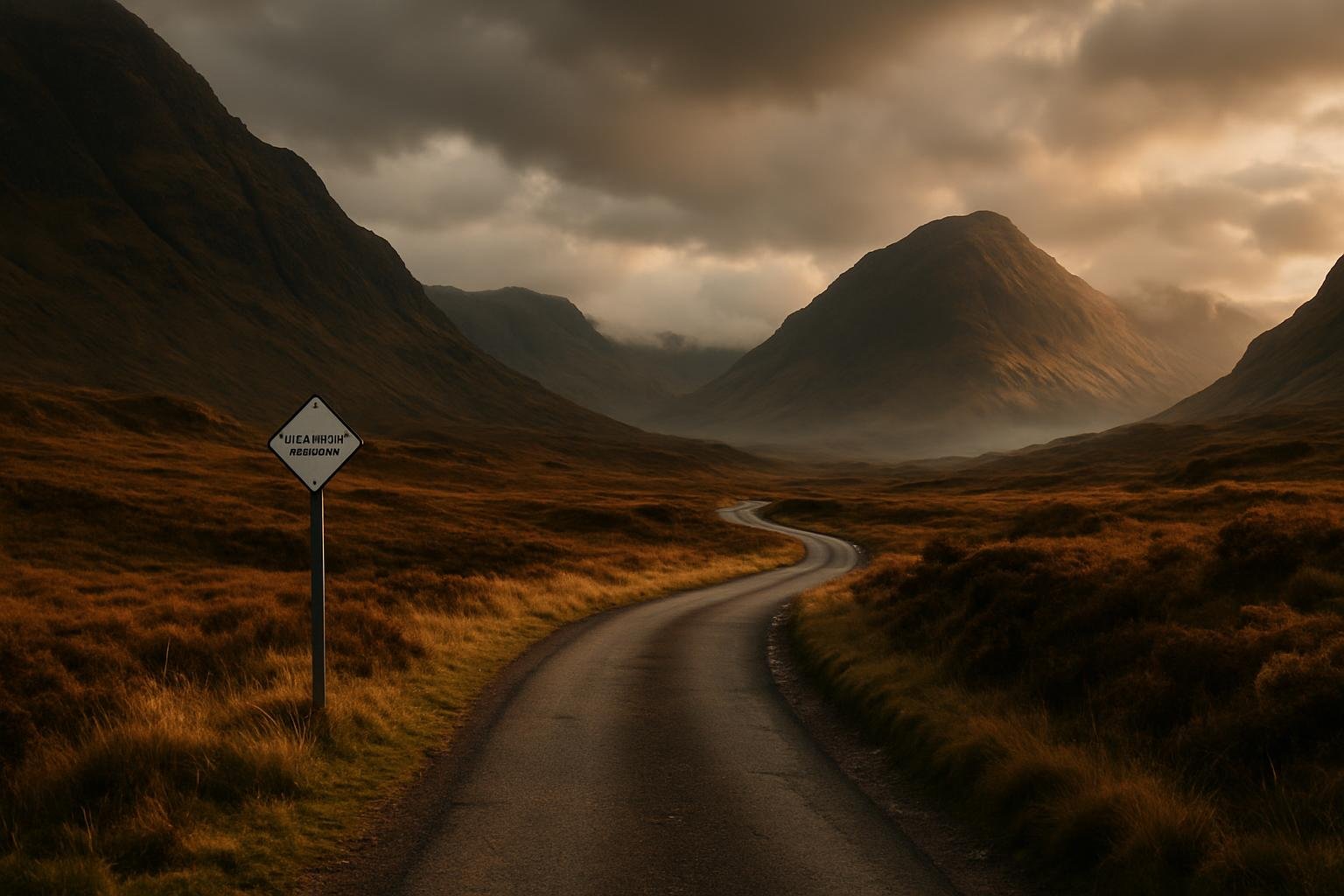
If you’re planning a Scottish Highlands road trip and your main reference point is the A9, I have good news: it gets a lot better once you leave it. The Highlands reward people who are happy to go slowly, pull over a lot and accept that mobile signal may abandon them at the worst possible moment. In my case, that was halfway through trying to book a B&B near Ullapool. I ended up in a tent outside Gairloch instead, which turned out rather well, apart from the midges and a fox that took a fancy to my loaf of bread.
I grew up being dragged along Britain’s less glamorous A-roads by a dad who drove lorries for a living, so I’ve always liked roads that go somewhere slightly awkward. The Highlands are perfect for that. You can do them as a tick-box of big-name viewpoints if you like, but the real joy is in the smaller glens, “slow” single-track roads and the slightly scruffy villages where you get your petrol and your fish supper in the same five-minute stop.
This isn’t a comprehensive route plan – think of it instead as a friendly nudge towards the kind of places and roads that make a Scottish Highlands road trip feel properly alive, with some very practical details so you don’t end up sleeping in your car at a forestry lay-by. I’ve done versions of this drive a few times now, in different seasons, and I still get caught out. That’s half the point.
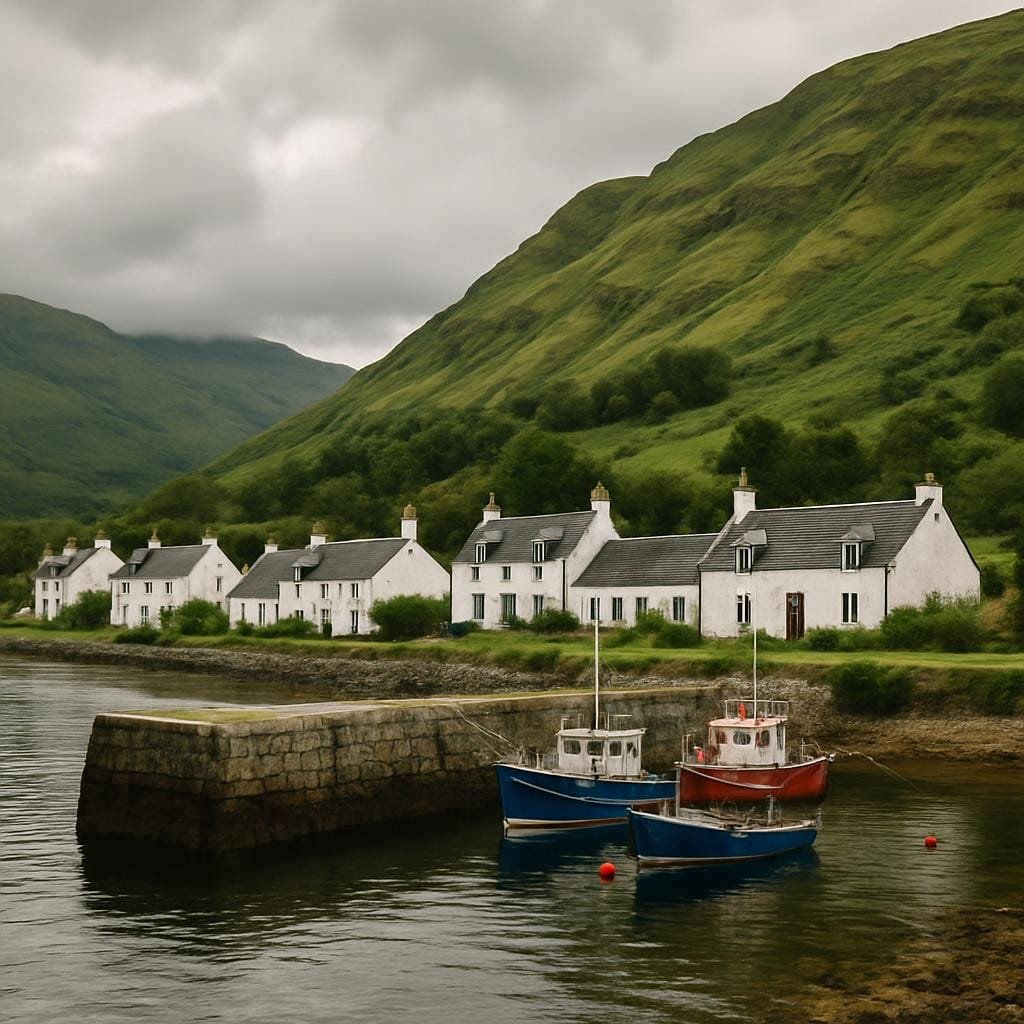
Most people blast up the A9 past Pitlochry and Aviemore, but if you can spare the time, peel off onto the old military road through the Cairngorms – the A93 and A939. It feels like you’ve stepped sideways into a parallel Scotland where lorries and coaches mostly haven’t bothered.
If you’re coming from the south, head for Braemar. The village has an odd mix of hillwalkers, skiers and people in very expensive knitwear. There’s a lovely short walk along the River Dee from the bridge, which is worth doing just to stretch your legs before you start the more serious driving.
For coffee and something sensible to eat, The Bothy Braemar does soup and sandwiches that actually fill you up; the venison sausage roll is dangerously good. Expect about £8–£10 for lunch and a drink. Parking in the village car park, just off the main road, is usually around £3 for a few hours via the pay-and-display machine.
From Braemar, head north on the A93 towards the Lecht and Tomintoul, and then swing onto the A939. This is where the road tightens and the views open out. You get those long, empty stretches where the tarmac ripples ahead of you like a rollercoaster, with snow gates and warning signs every so often reminding you that this can be a serious road in bad weather. I’ve crawled over it in drizzle in late spring and skidded slightly on surprise ice one April – it demands respect even when the sun’s out.
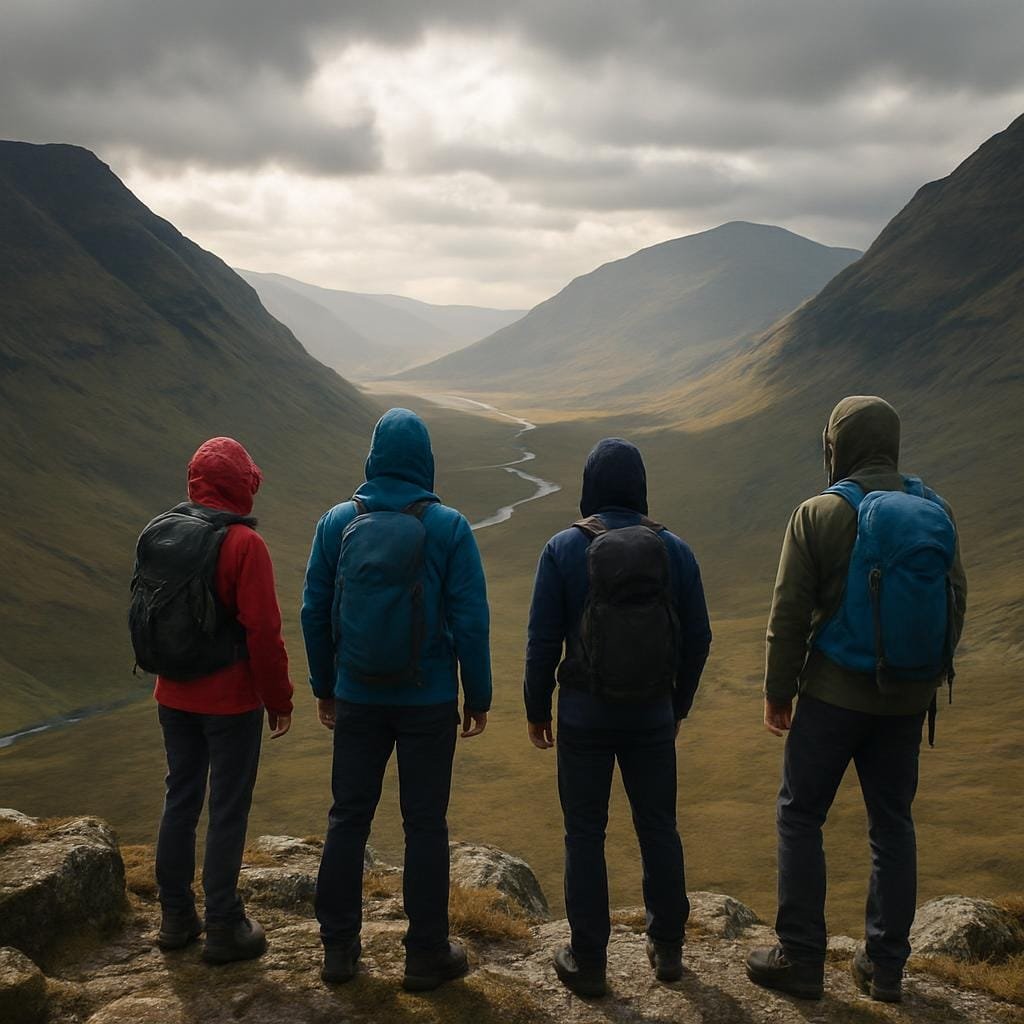
I’ll be straight with you – the first time I drove over the Skye Bridge, I dipped a bit too far into “romantic wilderness” expectations and then immediately ended up in a small traffic jam behind a coach and three campervans. Skye is popular for good reason, but the trick is to use the road trip side of things to dodge the crowds, rather than sit in them.
If you’re coming up the Great Glen from Fort William, consider taking the slightly slower route via Glen Shiel on the A87. You pass Eilean Donan Castle, which you’ve seen on every Scottish calendar ever. It’s around £10.50 for adults to go inside. The interior is interesting enough, but I’ll be honest: I prefer the view from the small free lay-by on the A87 just before you reach the main car park. You get the classic castle-on-the-island view without having to fight someone for a space in the £3-an-hour car park.
Once you’re on Skye, the road to Elgol (single-track B8083) is one of my favourite slow drives in the Highlands. It turns off the A87 near Broadford and winds its way past crofts, lochs and sea views towards the end-of-the-road village. You’ll need to use passing places properly here; if you’re the sort who panics at reversing, this is your training ground.
Near Elgol, the view across Loch Scavaig towards the Cuillin is one of those “right, fair enough” moments – no need to reach for big adjectives, it just feels huge and slightly unreal. I’ve turned up on hazy afternoons and could barely see the mountains, and once on a clear evening where people were quietly drinking cans of Tennent’s on the rocks like they were at the cinema.
The small car park at Elgol is free but tight and fills early on busy days. If you can, arrive late afternoon when the boat trips have finished. Bella Jane Boat Trips run regular sailings to Loch Coruisk; expect around £35–£45 for an adult ticket. If you don’t fancy the boat, there’s a rough path along the coast from the car park with cracking views within ten minutes of walking.
Food-wise, Café Searbheinn in Broadford does proper lunches and cakes; last time I paid about £4 for a scone that was roughly the size of my fist and worth every crumb.
The Bealach na Bà</strong) – the “Pass of the Cattle” – is the road you’ve probably seen in dramatic photos, curling its way up the mountainside like a piece of dropped spaghetti. It’s the kind of road that inspires equal amounts of bragging and apologetic Facebook posts from people who’ve accidentally tried to drive it in a hired motorhome.
I tackled it a few years back in an ageing hatchback with a slightly suspect handbrake. There are hairpins where you can see three levels of road above and below you. Large warning signs at the bottom spell it out: no learner drivers, no large vehicles, serious gradients. Pay attention to those.
The payoff is the view from the top, where a small car park lets you look out across to Skye and Raasay. On my last visit, the wind up there was so strong it nearly took my cap; on another day it was eerily still, with low cloud sliding in and out like a slow-motion theatre curtain.
Dropping down into Applecross, the road edges along the water. There’s a grass verge, sheep that wander about claiming squatter’s rights and the sea right beside you. The village itself is small. The Applecross Inn is the obvious stop – fish and chips are around £17–£19, fresh and generous, and there’s a chalkboard that usually has something involving local shellfish. You’ll want to book for evening meals in peak season; I’ve ended up sat outside with a takeaway box more than once, which isn’t exactly hardship when the view’s doing its thing.
If you don’t fancy tackling the Bealach, you can reach Applecross via the coastal route from Shieldaig instead (the north coast road). It’s less dramatic but still properly scenic, and you get long stretches of single-track with sea views and frequent lay-bys signed as “viewpoints”. Translation: good place to breathe, stretch, and check your wing mirrors for the campervan you annoyed earlier.
If there’s one bit of the Highlands that keeps pulling me back, it’s the wild, lumpy scenery around Assynt and the north-west. This is proper slow-road country. Think road signs warning “No fuel for 40 miles”, passing places every 100 metres and the sort of views that make you forget you were meant to be in Ullapool by lunchtime.
From Ullapool, head north on the A835 and turn onto the A837 towards Lochinver. You pass Ardvreck Castle on the shores of Loch Assynt – a ruined tower and walls right by the road. There’s a free lay-by car park about 100m away on the loch side. It’s one of those ruins that looks like it’s grown out of the rock, with battered windows and a slightly gloomy air even in sunshine. Take five minutes to wander down; the ground is often boggy, so boots or at least grippy trainers are your friend.
In Lochinver, the main draw for a lot of people is Lochinver Larder, famous for its pies. I have stood in the queue with coach parties and hillwalkers; a hot steak and ale pie will set you back around £7–£8, and they’re hefty. Across the road, there’s a small car park by the river with free parking and public toilets that have seen better days but are absolutely serviceable, which is all you want at that point.
The real road trip highlight here is the single-track B869 from Lochinver via Achmelvich and Clachtoll to Kylesku. It squiggles along the coast in a frankly ridiculous way, up and down like a fairground ride someone forgot to sign off. The beaches at Achmelvich and Clachtoll are bright white sand and clear water. Car parks now have pay-and-display machines; last time, it was about £3–£4 for a few hours. There are usually signs reminding campervans that sleeping overnight in the car park is a bad idea and likely to attract a note on your windscreen.
One thing I like about this stretch is that it hasn’t been over-tidied. You still get rusty gates, old fishing gear stacked against sheds, and sheep wandering across the road with the calm confidence of locals who know exactly who’s in charge.
Last time I was in Glen Affric, it was one of those autumn days where the weather can’t decide between drizzle and proper rain. Even then, it felt like a good decision to have escaped the busier bits around Loch Ness. This is one of the best “wild glens” you can reach by car without needing a 4×4 or an unhealthy relationship with OS maps.
From Drumnadrochit on Loch Ness, head towards Cannich on the A831. It’s a straightforward drive. In Cannich, there’s a small shop and Bog Cotton Café which does decent coffee, toasties and very welcome cake – about £3–£4 for a slice, and they’re generous.
From Cannich, the public road continues into Glen Affric for about 11 miles. It narrows to single-track with passing places but stays in good condition. At the road-end car park near the Glen Affric dam, you pay around £3–£4 via machine (coins are still handy up here). There are informal trails heading into the Caledonian pinewoods and along the loch shore. Even a half-hour wander gives you a sense of old woodland, with twisted Scots pines, soft moss underfoot and that slightly resinous, damp-forest smell you either love or find oppressive.
I’ve never had the place entirely to myself, but it’s usually far calmer than the tourist hotspots. People come here to walk, not to leap out of a coach for five minutes and go again, so it generally attracts a different crowd – fewer selfie sticks, more muddy boots.
A Scottish Highlands road trip is romantic until you’re sat in your car at 7pm in the drizzle with no bed booked and a packet of crisps for dinner. I’ve been that person. A few practical notes, learned the slightly annoying way:
I used to think road trips were about how far you could get in a day. That might be my dad’s old lorry-driver mindset lodged in my brain. The Highlands cured me of that. Some of my favourite moments have been the accidental ones: a sudden rainbow over Loch Maree when I’d pulled in to sulk about the rain, a tiny honesty box stall near Shieldaig selling flapjacks and jars of jam, a red deer standing so close to the verge near Glen Shiel that I could see its breath in the cold air.
If you try to cram your Scottish Highlands road trip into a frantic tick-list of “must-sees”, you’ll miss most of the good stuff, which tends to happen on lay-bys, small roads and in conversations at village shops when you’re asking which route is less grim in the rain.
So build your route with slack in it. Leave space for the glen you hadn’t planned to explore, the café that looks more interesting than its Tripadvisor reviews, the road that wiggles off the A-road and seems worth a punt. Drive a bit slower than usual. Stop a bit more than is strictly necessary. And if you do end up stuck behind a caravan on the Bealach na Bà, at least you’ll have time to look at the view.